
2026 New Members
-
Yanling Liao, PhD
New York Medical College
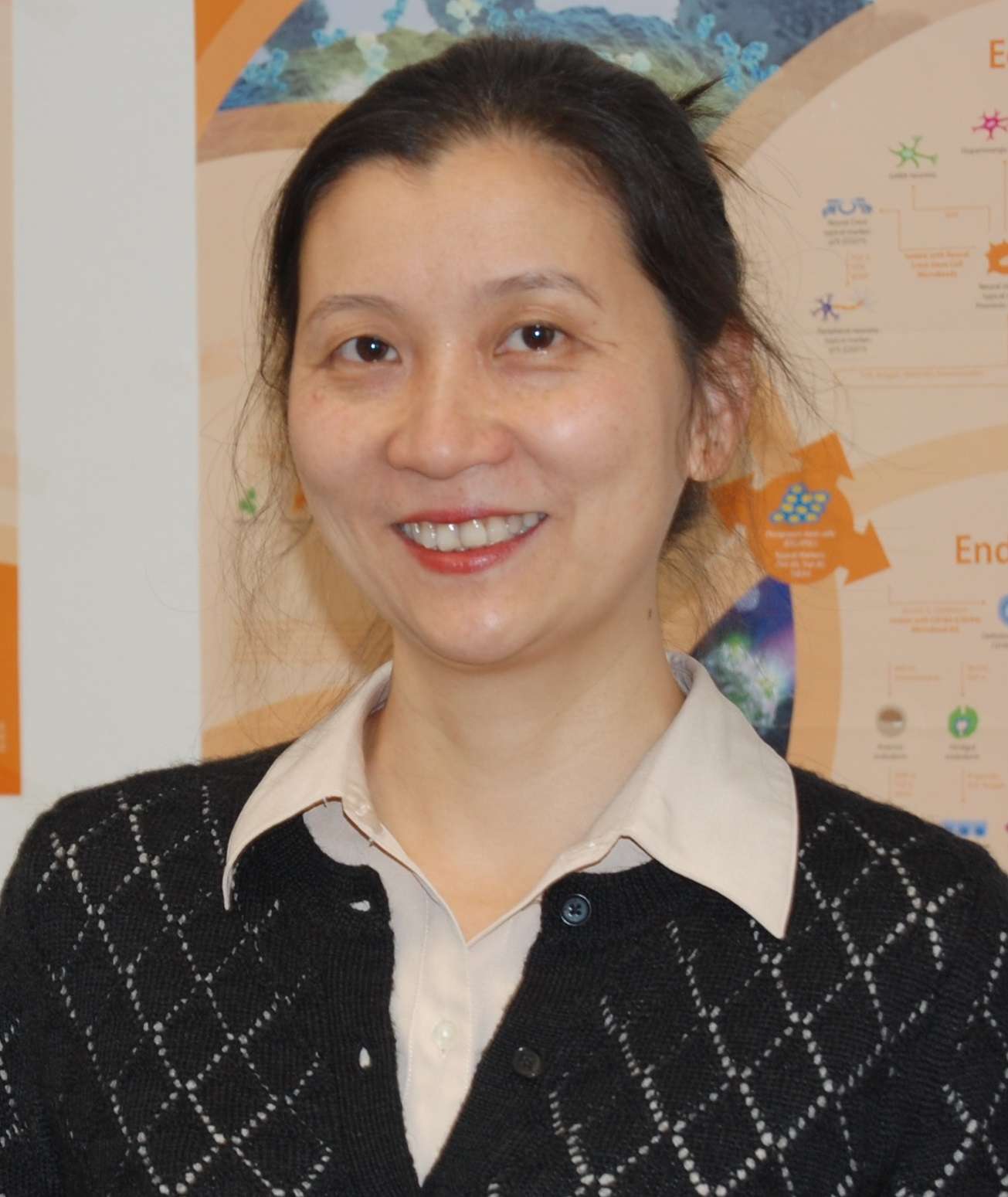
Dr. Yanling Liao is an Associate Professor of Pediatrics at New York Medical College. Trained in biochemistry, she completed her PhD at Albert Einstein College of Medicine and pursued postdoctoral training at Stanford University in Department of Microbiology and Immunology. Dr. Liao has built a distinguished academic career focused on stem cell-based regenerative medicine and the molecular mechanisms of chronic inflammation and fibrosis. Her pioneering work in recessive dystrophic epidermolysis bullosa (RDEB) has led to important insights into immune dysregulation, fibroblast activation, and the therapeutic application to repair and stabilize fragile skin. She has been continuously funded by organizations such as DEBRA UK and DEBRA Research. More recently, Dr. Liao has expanded her research program into the field of cancer immunotherapy, with a focus on natural killer (NK) cell-based therapies and combinatorial immune strategies. She serves as a co-investigator on several Department of Defense-funded clinical translational studies targeting high-risk pediatric malignancies such as AML. Her work is helping to define mechanisms of resistance and to develop strategies that enhance the anti-tumor activity of NK cells and CAR-based immunotherapies. With expertise spanning both regenerative and immune-based cellular therapy, Dr. Liao is uniquely positioned to bridge the fields of chronic inflammatory disease and oncology, leveraging immune modulation as a therapeutic axis in both.
-

Catherine Limperopoulos, MSc, PhD
George Washington University School of Medicine and Health Sciences, Children’s National
Catherine Limperopoulos, Ph.D., is Center Director of Prenatal, Neonatal & Maternal Health Research and Director & Chief of the Developing Brain Institute (DBI) at Children’s National. Dr. Limperopoulos is also (tenured) Professor of Radiology, Neurology and Pediatrics and Professor of Obstetrics and Gynecology at the George Washington University (GWU) School of Medicine & Health Sciences. She also was named the A. James & Alice B. Clark Foundation Distinguished Professor of Maternal-Infant Health, an appointment that honors her unique achievements and that supports her groundbreaking research to improve the lives of children and families. Dr. Limperopoulos is at the forefront of clinical research and translational efforts focused on accelerating screening, diagnosing, treating and preventing prenatal onset brain disorders to improve child health and well-being for life. She is an occupational therapist and pediatric neuroscientist who has demonstrated repeated successes in completing novel, patient-centered clinical and translational research in uncomplicated and high-risk pregnant women and neurodiagnostic and neurodevelopmental surveillance in high-risk fetuses and preterm infants. Primarily, Dr. Limperopoulos conducts studies which center on the causes and consequences of adverse prenatal environments and brain and placental development in high-risk fetal, preterm and infant populations, and she continues to develop novel tools and precision medicine solutions to diseases that have their origins in the womb but don’t fully manifest until later. Essential to her research is applying advanced magnetic resonance imaging (MRI) techniques to identify important biomarkers and to better elucidate the timing and evolution of impaired brain maturation, as well as the brain’s adaptive responses. Her lab leads the world in applying advanced imaging techniques to identify early brain and placental biomarkers of risk and resilience for neurodevelopmental impairment. Her goal is to develop early and reliable signals that can identify the high-risk fetus prior to irreversible brain injury. Dr. Limperopoulos also leads the Clark Parent & Child Network Prenatal-Neonatal Pillar, supported by a transformational $36 million investment in women and their babies by the Clark Foundation. The project is one of many she has developed that links parents to needed resources and time-sensitive mental health support, including the DC Mother-Baby Wellness program and DC Perinatal Consortium. These activities underscore her commitment to service and a determination to discover the optimal delivery of screening and low-cost interventions aimed at reducing the striking health disparities experienced by marginalized groups, starting in the District and advancing through partnerships around the world.
-

Kimberly Lin, MD
Children’s Hospital of Philadelphia, University of Pennsylvania
Dr. Lin’s clinical research focus is on children and young adults with cardiomyopathy and risk of heart failure. As medical director of the Pediatric Cardiomyopathy Program at the Children’s Hospital of Philadelphia, she oversees our multidisciplinary efforts aimed at the early detection and treatment of the heart disease that can accompany conditions as diverse as Noonan syndrome, Duchenne Muscular Dystrophy (DMD), Friedreich Ataxia (FRDA), end stage renal disease, transplant vasculopathy, and non-syndromic hypertrophic cardiomyopathy. The use of exercise as a means of improving outcomes and measuring meaningful functional capacity in children with heart conditions is an area of particular interest to Dr. Lin. She is a co-investigator on an R01 grant from the NHLBI exploring the combined effects of an individualized exercise training regimen and an oral exercise mimetic on patients with FRDA, as well as a second R01 grant from the NCI evaluating a similar intervention in hematopoietic stem cell survivors. Their group has successfully implemented a combination aerobic + resistance training regimen using adaptive equipment for FRDA patients and looks forward to analyzing and publishing results from this cohort in the near future.
-

Atul Malhotra, MBBS, MD, PhD
Monash University, Monash Children’s Hospital
Associate Professor Atul Malhotra is a senior neonatologist at Monash Newborn, Monash Children’s Hospital, and research academic in the Department of Paediatrics, Monash University, Australia. He is the current recipient of an NHMRC Emerging Leadership Fellowship. He has published over 200 peer-reviewed journal articles, 4 book chapters, and his research has attracted over $20 million of funding to date.
His clinical research interests focus on improving respiratory and neurological outcomes of high-risk infants. He is passionate about neurodevelopment following high-risk birth and is the Head of the Early Neurodevelopment Clinic (for early detection of cerebral palsy/ developmental delay). His basic science interests include understanding and treating brain injury related to high-risk perinatal conditions. He has a special interest in fetal growth restriction (FGR) and has conducted a number of preclinical and clinical studies on FGR. He has been instrumental in the translation of preclinical therapies from the laboratory to the clinic, including regenerative cell therapies. He has led world-first trials of placental stem cells and cord blood derived cells in preterm infants and is the Principal Investigator of three umbilical cord blood derived cell therapy trials, currently recruiting. He is the co-director of the Newborn Cell Therapies Group at the School of Clinical Sciences at Monash Health. One of his other research interests includes medical device innovation/ artificial intelligence. Together with colleagues in the Faculty of Engineering at Monash University, their Biomedical Signal Processing Lab focuses on improving monitoring devices in newborn infants. He is also passionate about education and served as the inaugural Co-Chair of Monash Children’s Hospital’s Simulation Centre. He has been running simulation-based education programs in Australia and around the world and is the co-founder of the global health interprofessional education program, ONE-Sim Education.
-

Ellen McGinnis, PhD
Wake Forest School of Medicine of Wake Forest Baptist Medical Center, University of Vermont Children’s Hospital
Dr. McGinnis is a Clinical Child Psychologist whose research program is dedicated to advancing pediatric mental health through the development and evaluation of digital health tools. Her work is grounded in the belief that emotional health assessment and intervention must be both scientifically rigorous and practically accessible. As the Principal Investigator of an NIH K23 Award (MH123031), she has pioneered the use of wearable sensors and smartphones to develop digital phenotypes of anxiety and depression in children, improving diagnostic accuracy and tracking symptom progression. Her translational research bridges clinical psychology, biomedical engineering, and digital health innovation, with a focus on creating scalable tools that meet the real-world needs of children, families, and clinicians. Dr. McGinnis’s research trajectory was shaped by critical gaps she encountered both as a scientist and a practicing therapist. In her early work on childhood psychopathology, she recognized the limitations of traditional behavioral coding for assessing internalizing symptoms in young children. Collaborating with biomedical engineers, she introduced Inertial Measurement Units (IMUs) to objectively capture motion data, laying the foundation for BioBee, an mHealth app that collects motion and vocal biomarkers to model diagnostic likelihood. Simultaneously, her clinical experience treating panic disorder inspired the development of PanicMechanic, a smartphone-based biofeedback app that delivers just-in-time interventions using heart rate data. Both tools have been supported by NSF I-Corps programs, where she gained expertise in product development, stakeholder engagement, and user-centered design—skills that now inform every stage of her research. With over 45 peer-reviewed publications and more than 3,000 citations, Dr. McGinnis has established herself as a leader in digital mental health innovation. She has co-founded two companies focused on passive data collection for mental health, and her work has been featured in WIRED, Mashable, and Slate. She was selected as an NIH scholar for the Mobile Health Technology Institute (mHTI) and the Coaching and Resources for Entrepreneurial Women (CREW) program in 2024. Her research spans from peripartum women to young children through adolescence and emphasizes mixed-methods evaluation, iterative design, and cross-disciplinary collaboration. Dr. McGinnis is committed to ensuring that mHealth tools are not only evidence-based but also meaningfully integrated into pediatric care, with a long-term vision of empowering clinicians and families through accessible, data-driven solutions.
-

Kera McNelis, MD, MS
Emory University School of Medicine, Children’s Healthcare of Atlanta
Dr. Kera McNelis completed medical school at Case Western Reserve University, where she had her first experience with neonatal nutritional and necrotizing enterocolitis research. She completed pediatric residency at Rainbow Babies and Children’s Hospital, and then moved to Cincinnati Children’s Hospital Medical Center (CCHMC) for neonatology fellowship. In fellowship, she continued to focus on body composition and growth. She also completed a Master of Science degree in Clinical and Translational Research at University of Cincinnati (UC), while examining the nutritional impacts on body composition of very low birth weight infants, including donor breast milk and prolonged parenteral nutrition exposure. Her first faculty appointment was at CCHMC and UC, and she continued further studies related to growth and body composition of different high risk populations. She moved to Emory University and Children’s Healthcare of Atlanta in 2023.
She is currently exploring the interrelationship between body composition, oral feeding intake, and appetite regulating hormones in large for gestational age infants and conducting a randomized controlled trial to compare an innovative body composition-indexed feeding intervention versus standard feeding. Additionally, she is interested in neonatal intestinal failure.
-

Ulrike Mietzsch, MD
University of Washington School of Medicine, Seattle Children’s
Dr. Ulrike Mietzsch is a Neonatologist at Seattle Children’s Hospital and Professor of Clinical Pediatrics at the University of Washington School of Medicine, Division of Neonatology. She is board certified in both, neonatal-perinatal medicine and neonatal neurocritical care. She is the co-director of the Neonatal Neurocritical Care Program (NeuroNICU) at Seattle Children’s Hospital and associated program director of the neonatal neurocritical care fellowship program. Her research interest focuses on the investigation of physiologic biomarkers, energy metabolites, and genetic contribution to neonatal hypoxic-ischemic encephalopathy.
Dr. Mietzsch has past and ongoing collaborations in multicenter clinical trials investigating innovative therapeutic and diagnostic opportunities related to neonatal neurocritical care, with a primary focus on HIE and neonatal seizures. In addition, she has a longstanding interest and expertise in utilizing large disease focused datasets to better understand the longitudinal impact of prenatal and neonatal brain injury on long-term neurodevelopmental outcome in critically ill neonates.
-

Kate Millington, MD
Hasbro Children’s Hospital at Rhode Island Hospital
Dr. Millington’s research centers on the metabolic, endocrine, and cardiovascular health of transgender and gender-diverse (TGD) youth, with a particular emphasis on the physiological effects of gender-affirming hormone therapy. Specifically, she aims to use gender affirming care as a unique research paradigm through which to study sex dimorphic disease. Through her work with the Trans Youth Care – US study she has shown that multiple laboratory parameters such as hematocrit, cholesterol, creatinine, and others transition during gender affirming hormone therapy to the reference range that aligns with the patient’s gender. Her work has been published in journals such as JAMA Pediatrics, The Journal of Adolescent Health, Pediatrics, and Transgender Health, contributing essential data to a growing field at the intersection of endocrinology and gender health. In addition, to the care of TGD youth Dr. Millington’s research and clinical interests include the early diagnosis and prevention of type 1 diabetes. She participates in advocacy to improve education around screening for type 1 diabetes and coordinates early treatment for type 1 diabetes at Hasbro Children’s. She is a gifted teacher and has won many teaching awards through her participation in the Doctoring program and pediatric clerkship at the Alpert Warren Medical School where she also co-directs the Endocrine Sciences course for pre-clinical students. She has mentored many medical students, residents, and fellows in her research program and in her clinical role. Through her research, Dr. Millington hopes to improve the care of TGD youth and all children as well as expand what is known about the role of sex hormones in human biology and disease.
-
John Morrison, MD, PhD
Johns Hopkins University School of Medicine, Johns Hopkins All Children’s Hospital
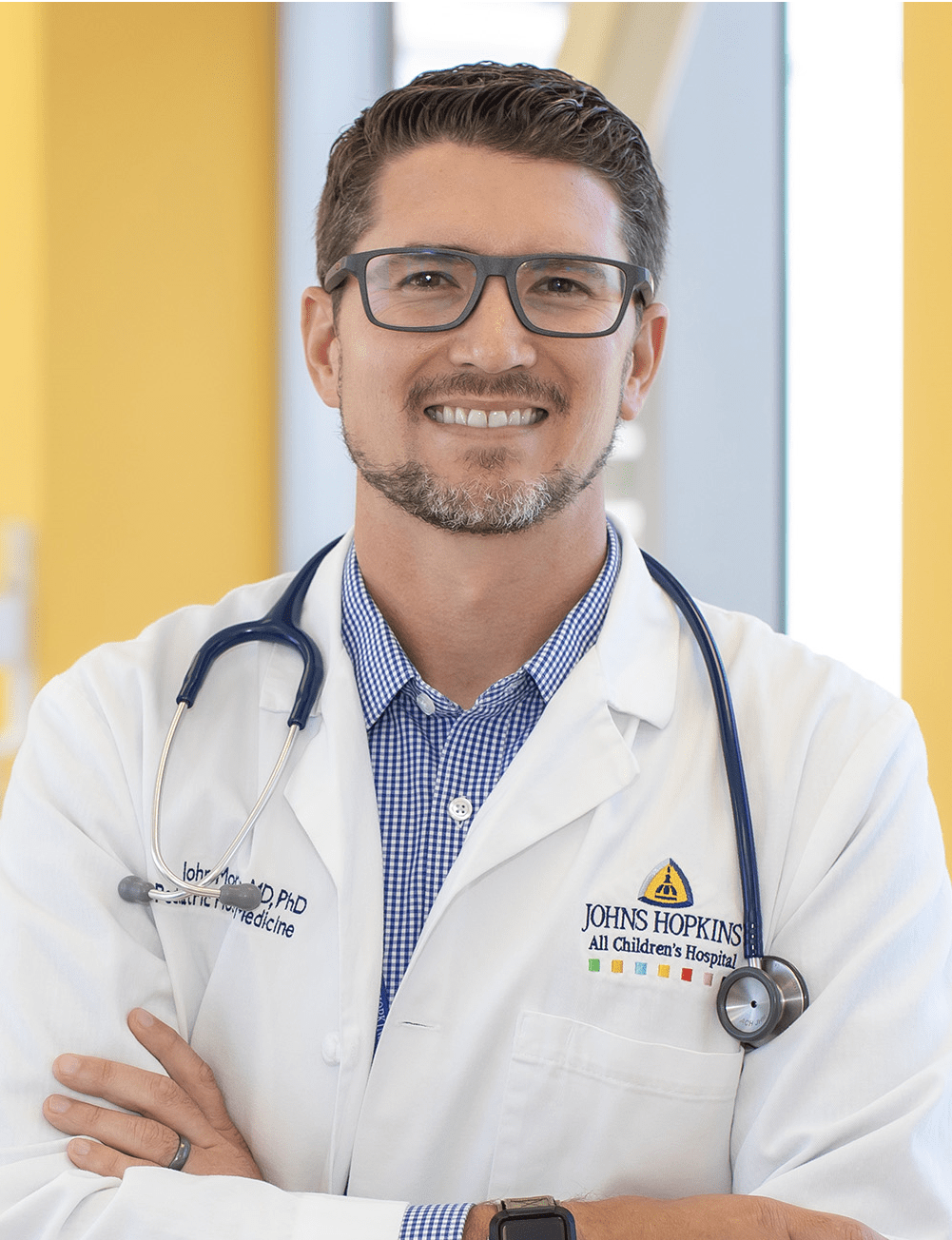
John Morrison is an assistant professor of pediatrics at the Johns Hopkins University School of Medicine and Johns Hopkins All Children’s Hospital in St. Petersburg, FL. Dr. Morrison obtained his medical degree and his doctorate of philosophy in pathology and microbiology at the University of Nebraska Medical Center. He then completed pediatric residency and a fellowship in pediatric hospital medicine at Johns Hopkins All Children’s Hospital. Dr. Morrison is a clinical and translational scientist and is the Director for the Center for Research Training, Education, Engagement, and Mentorship at the Johns Hopkins All Children’s Institute for Clinical and Translational Research. Dr. Morrison’s research program is focused on the diagnosis, treatment, and prevention of tracheostomy-associated respiratory infections. His laboratory investigates the host-inflammatory responses to bacterial and viral pathogens. Dr. Morrison’s laboratory also investigates antibiotic resistance mechanisms, including mechanisms underlying bacterial tolerance to antibiotic killing in host environments.