2026 New Members
-
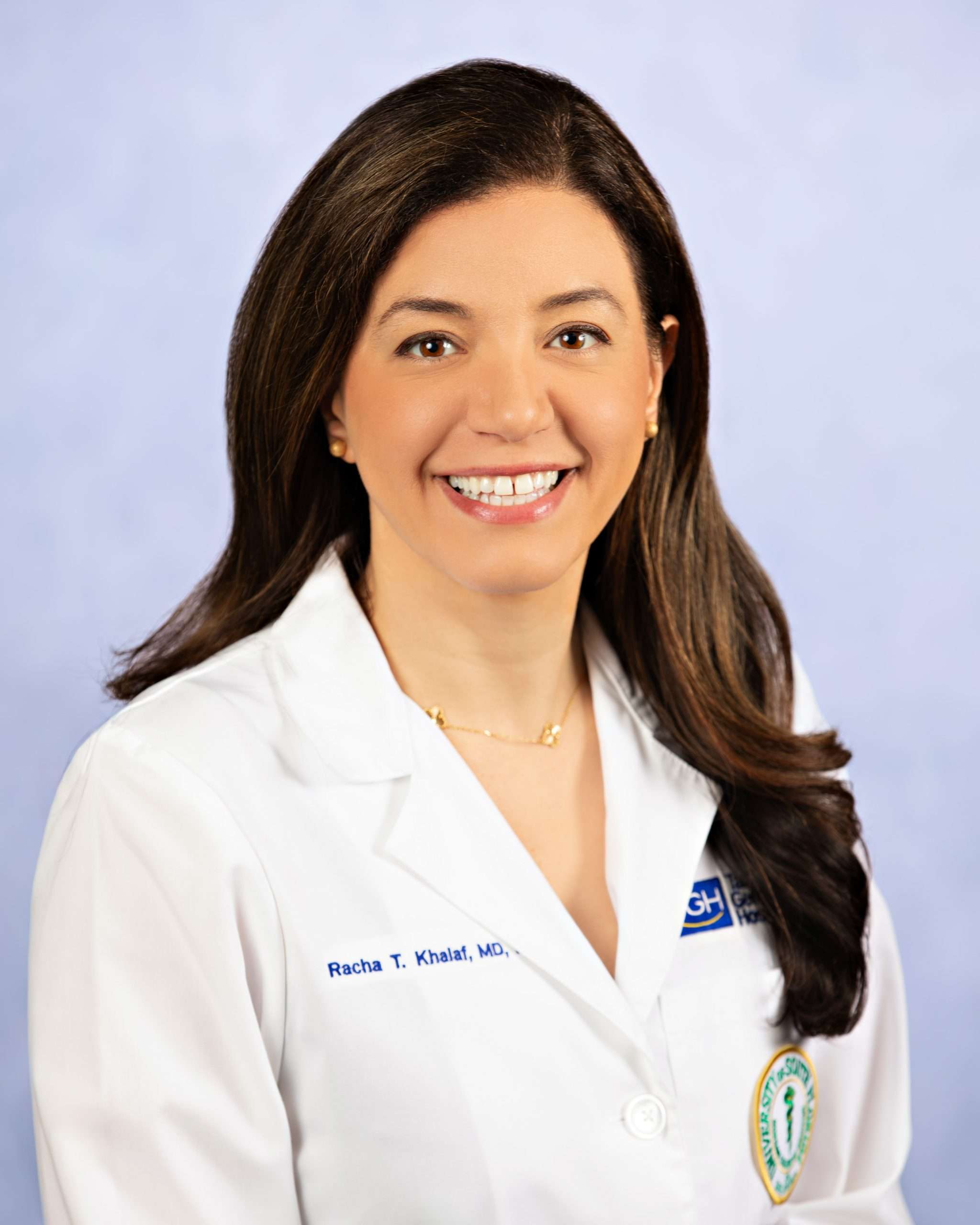
Racha Khalaf, MD, MSc
University of South Florida, Johns Hopkins University School of Medicine
Dr. Racha Khalaf is a physician-scientist specializing in clinical and translational research on gastrointestinal manifestations of cystic fibrosis. Her academic journey began at the University of California, Los Angeles, where she earned a Bachelor of Science in Physiological Sciences with College Honors. She went on to earn her Doctor of Medicine at the University of Central Florida College of Medicine, followed by a pediatric internship and residency at Johns Hopkins All Children’s Hospital in St. Petersburg, Florida. Dr. Khalaf further specialized through a fellowship in Pediatric Gastroenterology, Hepatology, and Nutrition at the University of Colorado School of Medicine and Children’s Hospital Colorado, where she also earned a Master of Science in Clinical Sciences from the University of Colorado Denver. Upon completing her training, Dr. Khalaf returned to Tampa, Florida, to establish a brand-new Pediatric Gastroenterology Division at the University of South Florida. She currently serves as the inaugural Division Chief of Pediatric Gastroenterology, Hepatology, and Nutrition and holds the position of Associate Professor of Pediatrics at the University of South Florida Morsani College of Medicine. Additionally, Dr. Khalaf is the Medical Director of the Pediatric Gastroenterology, Hepatology, and Nutrition Center of Excellence at Tampa General Hospital.
-
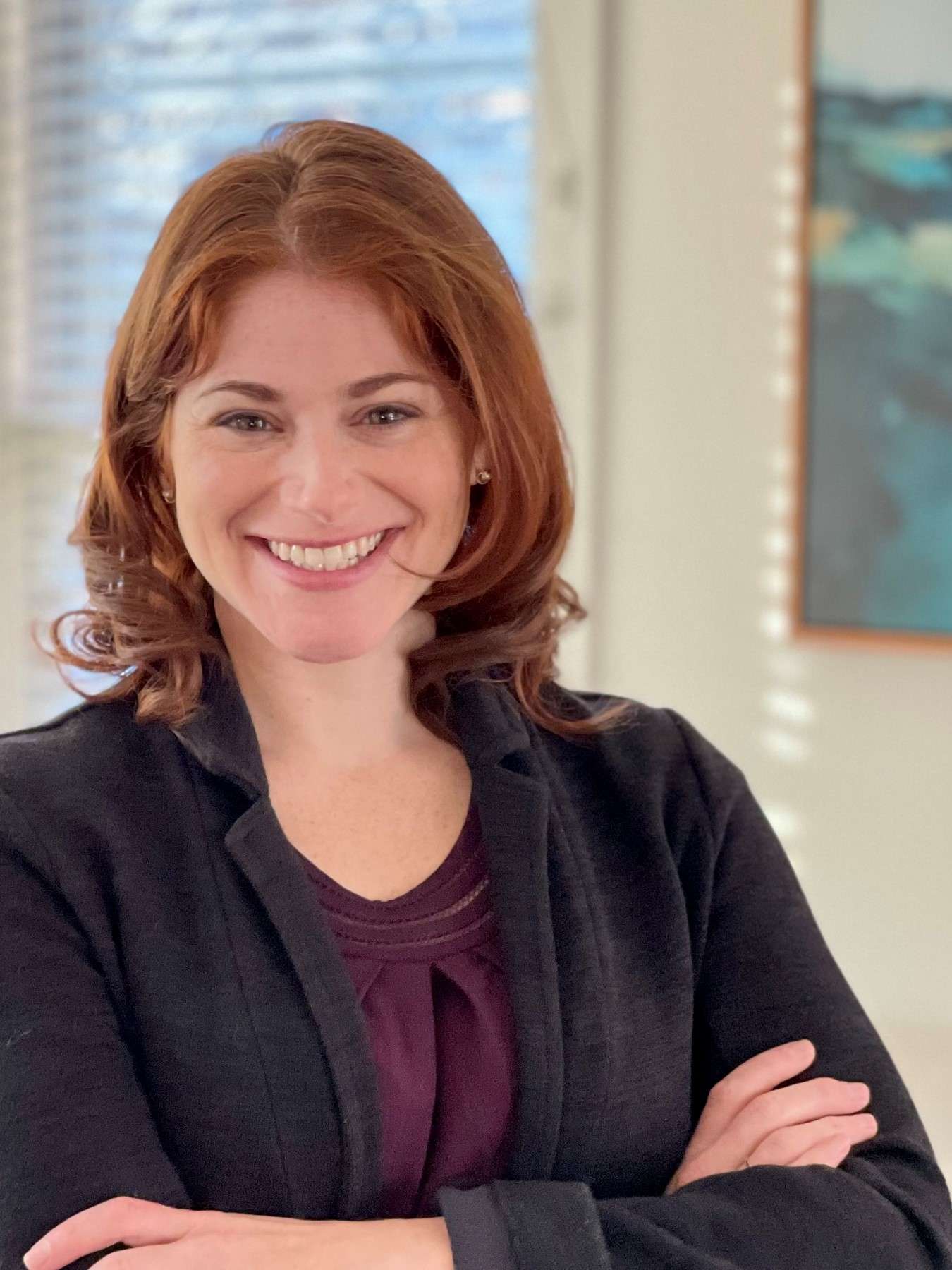
Jennifer Klein, MD, MPH
Children’s National, George Washington University School of Medicine and Health Sciences
Dr. Jennifer Klein is a pediatric and fetal cardiologist with a strong interest in health equity, with a particular focus on understanding the sociodemographic and maternal health factors that influence outcomes for mothers and their children with congenital heart disease (CHD). She earned her medical degree from Emory University and her Masters of Public Health with a concentration in Maternal and Child Health from George Washington University. Her research portfolio builds upon experiences at the intersection of pediatric cardiology and public health. Dr. Klein strives to better understand the environmental mechanisms that cause disparities in the burden of CHD. Her current research focuses on the environment, inclusive of pollution exposure and nutrition, as predictors of adverse outcomes in CHD care. She is inspired to study putative nutrient-sensitive pathways that affect the risk for CHD within the context of sociodemographic differences. A pilot award from the Center for Health Outcomes Research and Delivery Science at Children’s National Hospital supported her initial research into the intersection of maternal metabolomics, nutritional habits, food security and fetal heart disease through a retrospective case-control study. Even with small sample sizes, this early work shows critical nutritional deficiencies that may lie in the risk pathway of fetal CHD. However, it is not enough for Dr. Klein to identify health vulnerabilities, she also strives to move towards developing and testing interventions to improve health outcomes for all children with CHD. Therefore, she is pursuing health intervention research aimed at improving dietary quality and food access to reduce the risk of CHD and promote better fetal health outcomes. Other current research endeavors include investigations into air pollution exposures, neighborhood location, and social factors, as drivers of increased mortality after cardiac surgery.
-

Srinivas Kota, PhD
University of Texas Southwestern Medical School
Dr. Srinivas Kota is an Assistant Professor of Pediatrics in the Division of Neonatal-Perinatal Medicine and an investigator in the Neural Engineering/Neurotechnology track at the O’Donnell Brain Institute, University of Texas Southwestern Medical Center, Dallas, USA.
His research focuses on predicting the severity of brain injury in neonates with hypoxic-ischemic encephalopathy (HIE), a rare but devastating condition that can lead to death or long-term disability. Dr. Kota’s current work integrates neurophysiological data acquisition with advanced signal processing techniques to develop predictive biomarkers for the early diagnosis and prognosis of brain injury in newborns with HIE. These biomarkers aim to identify infants at risk for neurodevelopmental impairment within the critical early hours of life, enabling timely initiation of neuroprotective therapies to improve outcomes. He earned his master’s and doctoral degrees in Electrical and Computer Engineering from Southern Illinois University Carbondale and holds a Master of Science in Clinical Investigation from UT Southwestern Medical Center. He was recently selected for the O’Donnell Brain Institute’s Clinical Investigator Development Award. His overarching goal is to build an independent research career and contribute meaningfully to the advancement of neonatal neuroinformatics.
-

Prerna Kumar, MD
University of Illinois College of Medicine
Dr. Prerna Kumar is an Associate Professor of Clinical Pediatrics at the University of Illinois College of Medicine in the Department of Pediatrics, Division of Hematology/Oncology. She completed her medical education at The University of Chicago Pritzker School of Medicine, her pediatrics residency at the University of Colorado Children’s Hospital Colorado, and her pediatric hematology/oncology fellowship at the University of California San Francisco Benioff Children’s Hospital.
Throughout her medical training, her passion for medicine and research has stemmed from her commitment to patient care and her mission to improve children’s health. In fellowship, she focused her research on neuroblastoma. In the lab, she investigated potential radio-sensitizing agents and demonstrated that Aurora kinase A inhibition, in combination with radiation in cell lines, and 131I-MIBG therapy in mouse models, led to increased cell death in cell lines and decreased tumor growth in in vivo models of high-risk neuroblastoma. This work has been published. As a junior faculty member, she transitioned her focus from translational research to clinical research and had the opportunity to work with a multi-disciplinary team and describe the late neurocognitive and adaptive outcomes for a treated neuroblastoma cohort with opsoclonus-myoclonus-ataxia syndrome (OMAS) from the Children’s Oncology Group (COG) study ANBL00P3. She additionally was awarded a grant through the National Cancer Institute STAR ACT Young Investigator Initiative to study the outcomes associated with upfront exposure to 131I-MIBG therapy for high-risk neuroblastoma patients on COG protocol ALTE15N2 through the COG Outcomes and Survivorship Committee. This work was recently presented at ANR 2025 and ASCO 2025.
As a faculty member at the University of Illinois College of Medicine Peoria, she has had the great privilege to engage in scholarly work and clinical research in a variety of topics. She was accepted into a selective 18 month long professional development program, the Caterpillar Faculty Scholars Fellowship, which focused on teaching, research, and leadership. As part of her research as a Caterpillar Faculty Scholars Fellow, she investigated the incidence and extent of peripheral neuropathy (PN) in pediatric oncology patients receiving vincristine and levofloxacin (VL) compared to vincristine alone (VA) and found that exposure to levofloxacin in addition to vincristine in pediatric oncology patients significantly increased the burden of peripheral neuropathy. Increased awareness of the side effects of levofloxacin should guide pediatric oncology providers’ prescribing practices, particularly in the era of increasingly widespread use of antimicrobial prophylaxis. This work has been published. She and her colleagues additionally studied epigenetic aging in childhood cancer survivors. This work was funded by two Children’s Hospital of Illinois research grants. Their work showed increased biological age compared to chronological age (also known as increased epigenetic age) in childhood cancer survivors when compared to sibling controls. Increased epigenetic age was also identified in patients who received radiation when compared to their healthy siblings. Epigenetic modulation via DNA methylation may be a potential mechanism underlying the aging process in childhood cancer survivors. This work has been published.
-
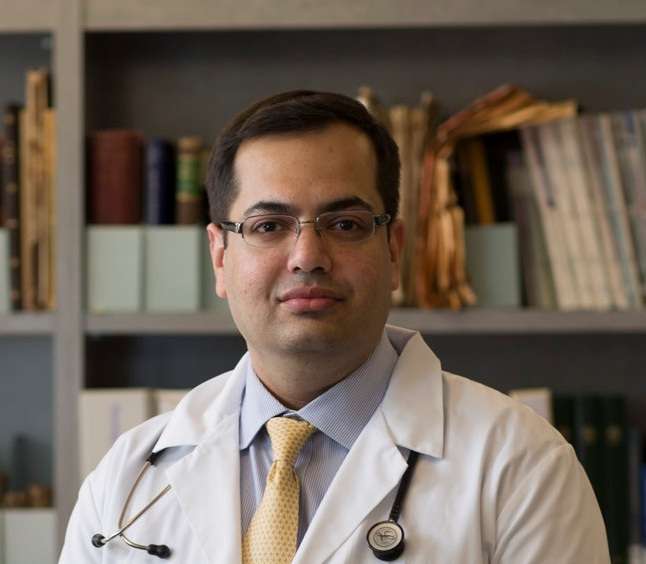
Riten Kumar, MBBS, MSc
Boston Children’s Hospital, Harvard Medical School
Dr. Kumar is the medical director of the Thrombosis, Anticoagulation and Vascular Patency Program at Boston Children’s Hospital and an Associate Professor of Pediatrics at the Harvard Medical School. After completing medical school at the University of Calcutta, he did his postgraduate training at SUNY Downstate, New York and the Mayo Clinic, Minnesota. In 2013, Dr Kumar completed a second fellowship in Pediatric Thrombosis/Hemostasis at the Hospital for Sick Children in Toronto, Canada.
-
Janessa Law, MD
University of Washington School of Medicine, Seattle Children’s
Dr. Janessa Law is an Associate Professor of Pediatrics in the Division of Neonatology at the University of Washington and Seattle Children’s Hospital. Her research centers on neonatal brain injury and neurodevelopmental outcomes, with a particular focus on extremely preterm infants and those with hypoxic-ischemic encephalopathy (HIE). She serves as Co-Principal Investigator on two active NIH R01-funded studies investigating neuroprotective therapies using in vitro and in vivo ferret models. One study explores combinatorial strategies for preterm brain injury, while the other evaluates the repurposing of azithromycin for neuroprotection. Dr. Law is also a co-investigator on a pediatric pilot study assessing biochemical markers of energy metabolism in infants undergoing therapeutic hypothermia. Her prior research includes an Early Career Award from the Thrasher Research Foundation to evaluate human neural stem cell therapy in HIE. She has contributed to several publications derived from the PENUT Trial, including analyses of intracranial hemorrhage, neuroimaging, and treatment-related neurodevelopmental outcomes. She has also published on genetic influences in neonatal encephalopathy and perinatal HIE. In addition to her research, Dr. Law holds multiple leadership roles across clinical and academic settings. She is Director of the Brain Research Advancement in Neonatology (BRAIN) Team at the University of Washington and serves on the CHNC HIE Focus Group. Her clinical responsibilities include work in the Level IV NICU at Seattle Children’s Hospital and as Associate Medical Director and leader of the Extremely Preterm Program at Valley Medical Center. Dr. Law has also contributed to the development and implementation of point-of-care ultrasound (POCUS) within the Division of Neonatology, serving as POCUS Resource Faculty and co-leading hands-on workshops at local and national levels. Her recent scholarly work has included feasibility studies on cranial POCUS and quality improvement initiatives related to early detection of intracranial hemorrhage. These activities reflect her growing expertise in neonatal neurocritical care and her contributions to advancing POCUS education and practice.
-
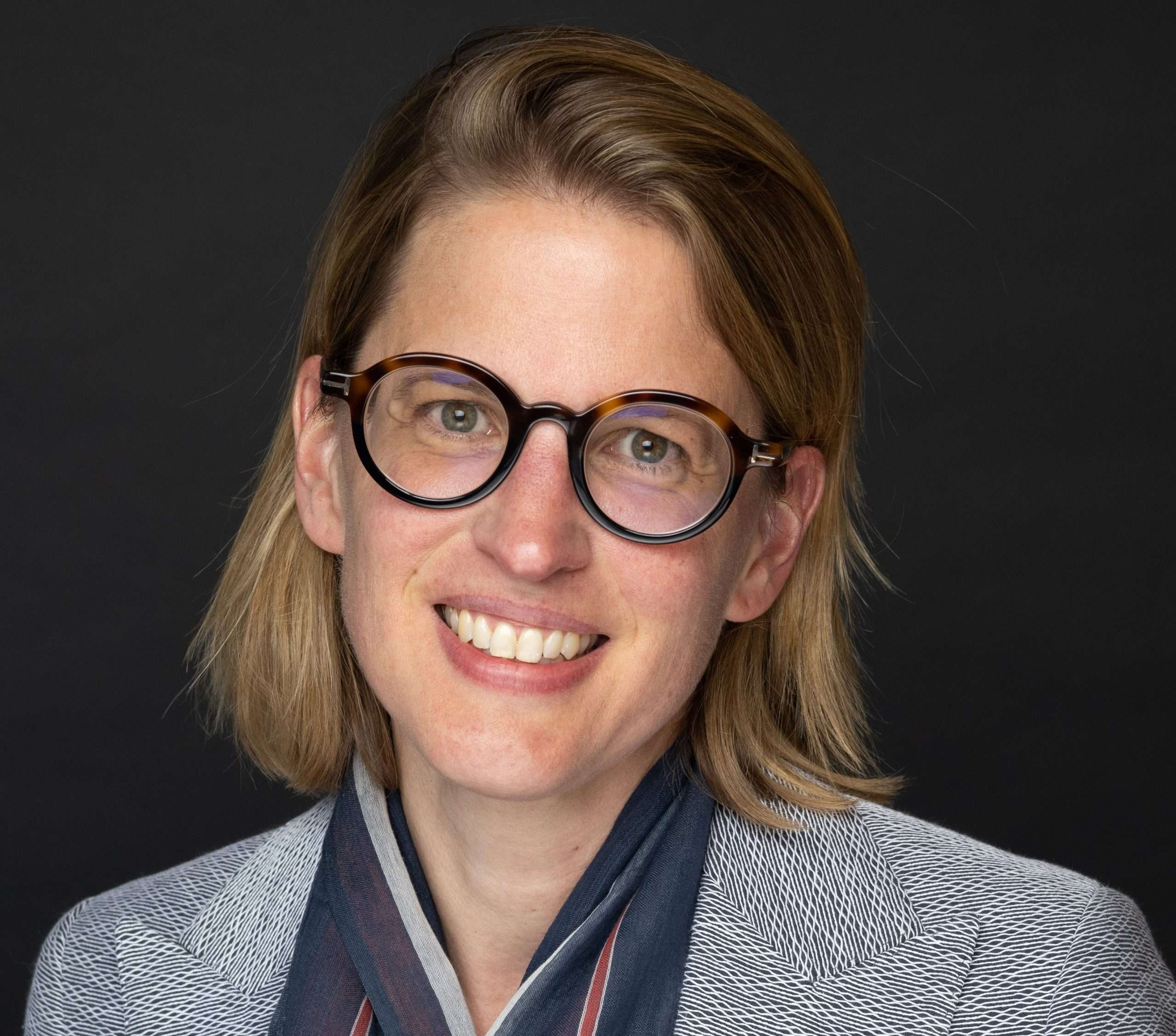
Lara Leijser, MD, MSc, PhD
University of Calgary Cumming School of Medicine
Dr. Lara Leijser, MD PhD MSc, Neonatologist, is a clinician-scientist in Neonatology and Associate Professor of Pediatrics at the University of Calgary, with clinical and research expertise in neonatal neurology, neuro-imaging and child development. After completing a PhD on ‘Imaging the preterm infant’s brain’ (The Netherlands and United Kingdom) and residency training in Pediatrics, Dr. Leijser graduated from Neonatal-Perinatal Medicine and Neonatal Neurology fellowship programs in Utrecht (The Wilhelmina Children’s Hospital, The Netherlands) and Toronto (The Hospital for Sick Children, Canada), respectively. She joined the Calgary section of Neonatology at the end of 2018.
Dr. Leijser provides clinical care in three Neonatal Intensive Care Units across Calgary (level II-IV) and is a consultant on the Calgary Newborn Neuro-Intensive Critical Care team, striving for excellence in neuroprotective care. Her research program focuses on advancing the understanding of preterm brain injury and development and the relation with long-term neurodevelopmental and behavioral outcomes. Through the use of multi-modality neuro-monitoring and imaging and the identification of early clinical and biochemical prediction markers, Dr. Leijser’s multidisciplinary research team aims to inform new neuroprotective strategies to improve brain health and functioning of preterm infants across the lifespan. To date, her work has resulted in multiple peer-reviewed publications, book chapters and UpToDate sections, and has provided the evidence for clinical care advances that are improving preterm outcomes. Dr. Leijser is a lecturer on international courses on neonatal cranial ultrasound and regularly invited speaker on neonatal neuro-imaging and the management of post-hemorrhagic ventricular dilatation (PHVD). In addition, she is the chair of a Canadian task force (Canadian Neonatal Network – Brain Health Group) to standardize management and outcomes for preterm infants with PHVD across Canada, and serves on the international Newborn Brain Society Guidelines and Publications Committee.
-

Kathryn Lemberg, MD, PhD
Johns Hopkins University School of Medicine
Dr. Kathryn Lemberg is a pediatric oncologist and physician-scientist in the Sidney Kimmel Comprehensive Cancer Center at the Johns Hopkins University School of Medicine. Dr. Lemberg’s research investigates metabolism in childhood cancer, with a focus on improving treatments and outcomes for patients with pediatric sarcomas and cancer predisposition syndromes, including neurofibromatosis type I (NF1). She leads a translational research lab investigating the interactions between tumor metabolism and oncogenic signaling pathways in models of NF1-deficient and RAS-active cancers, including malignant peripheral nerve sheath tumor, rhabdomyosarcoma, and glioma. Dr. Lemberg’s group uses small molecule metabolite antagonists to perturb tumor metabolism and determine the consequences for tumor biology in cell culture and xenograft models. In addition, Dr. Lemberg investigates the interactions between systemic metabolism and tumor growth in animal models and retrospective cohorts of patients with NF1, with the goal of optimizing supportive management for this population of patients. She collaborates with clinicians and researchers at Johns Hopkins and elsewhere to carry out these studies.
Dr. Lemberg received her undergraduate degree from the University of Chicago and completed her graduate and medical training in the Medical Scientist Training Program at Columbia University, College of Physicians and Surgeons. She completed a residency in general pediatrics at Johns Hopkins, and then went on to complete fellowship training in pediatric hematology/oncology in the joint Johns Hopkins-National Cancer Institute training program. She was a member of the Johns Hopkins Drug Discovery group for her postdoctoral fellowship training. Dr. Lemberg’s research has been generously supported by funding from several sources including a CureSearch for Children’s Cancer Young Investigator Award, a Hyundai Hope on Wheels Young Investigator Award, a Cannonball Kids’ Cancer Foundation Young Investigator Grant, a Tap Out Cancer Award, and a Neurofibromatosis New Investigator Award from the Congressionally Directed Medical Research Program. In 2025 she received the Director’s Teaching Award for Pediatric Oncology at Johns Hopkins and was selected as a fellow for the NCI-funded Transdisciplinary Research on Energetics and Cancer training workshop.
-
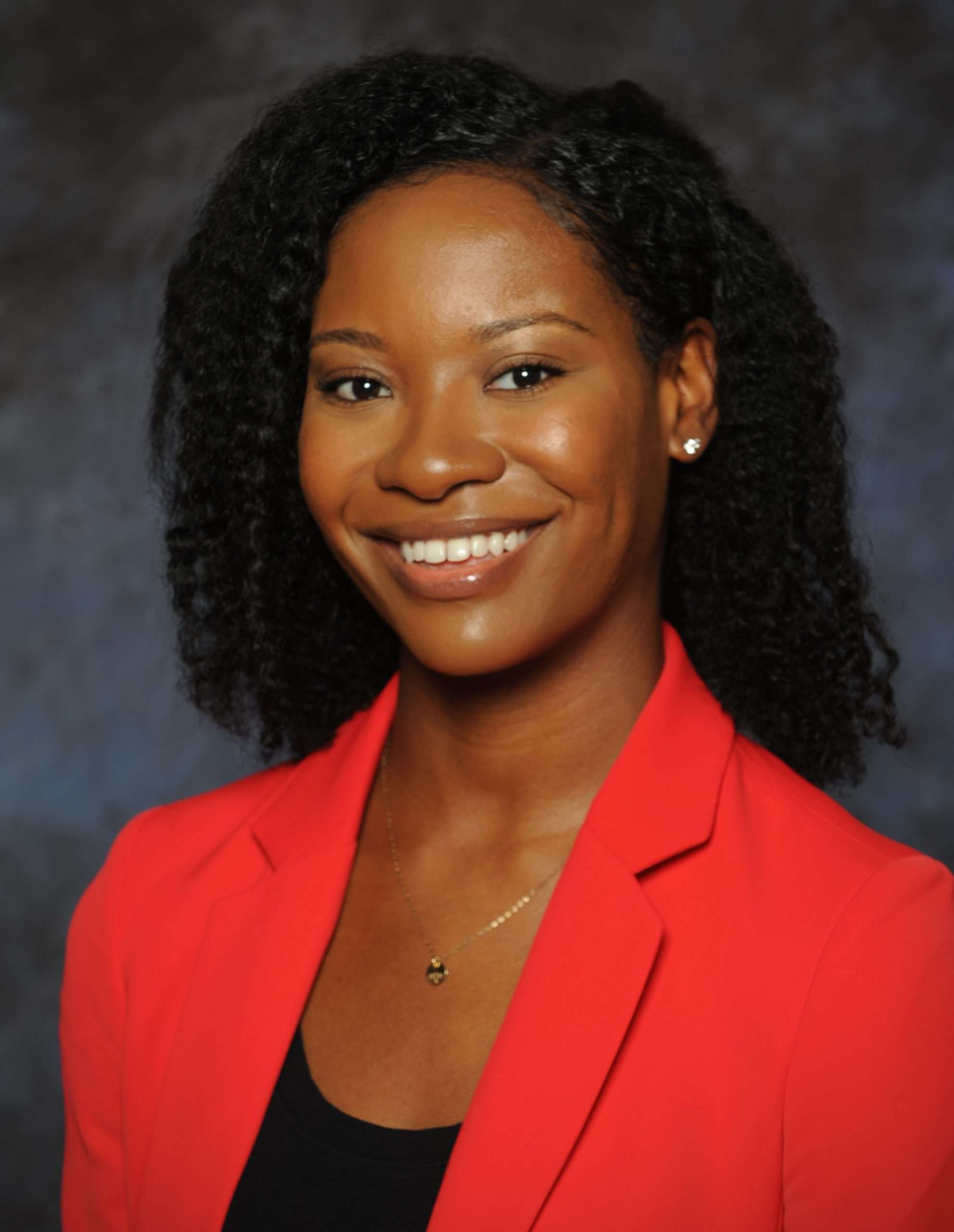
Kheyandra Lewis, MD, MEd
Drexel University College of Medicine, St. Christopher’s Hospital for Children
Kheyandra D. Lewis, MD, MEd, is an Associate Professor of Pediatrics at Drexel University College of Medicine and serves as Vice Chair of Faculty and Professional Development at St. Christopher’s Hospital for Children, where she leads initiatives to support faculty growth and professional success. She earned her BS in Biology from Philadelphia University, her MD from Temple University School of Medicine, and a master’s in medical education from the University of Cincinnati. Following pediatric residency and a chief residency at St. Christopher’s, Dr. Lewis joined the Section of Hospital Medicine as a pediatric hospitalist. She also serves as Associate Program Director for the pediatric residency program and co-chairs the Mid-Atlantic region of the Association of Pediatric Program Directors. Dr. Lewis’ scholarly work focuses on medical education, feedback mechanisms, effective communication, leadership training, professional development, patient safety, and health equity. She has been a national leader in collaboration with the I-PASS Study Team since the development of a standardized handoff program, as well as in efforts to advance communication strategies that enhance family engagement within the interprofessional care team during patient- and family-centered rounds. Currently, she co-leads education and training initiatives to support the implementation of a study curriculum that enhances the use of interpreter services during family-centered rounds and promotes health equity for patients and their families. Her research and programmatic efforts demonstrate a strong commitment to enhancing the learning environment, fostering professional identity formation, and improving the quality of patient care.