2026 New Members
-
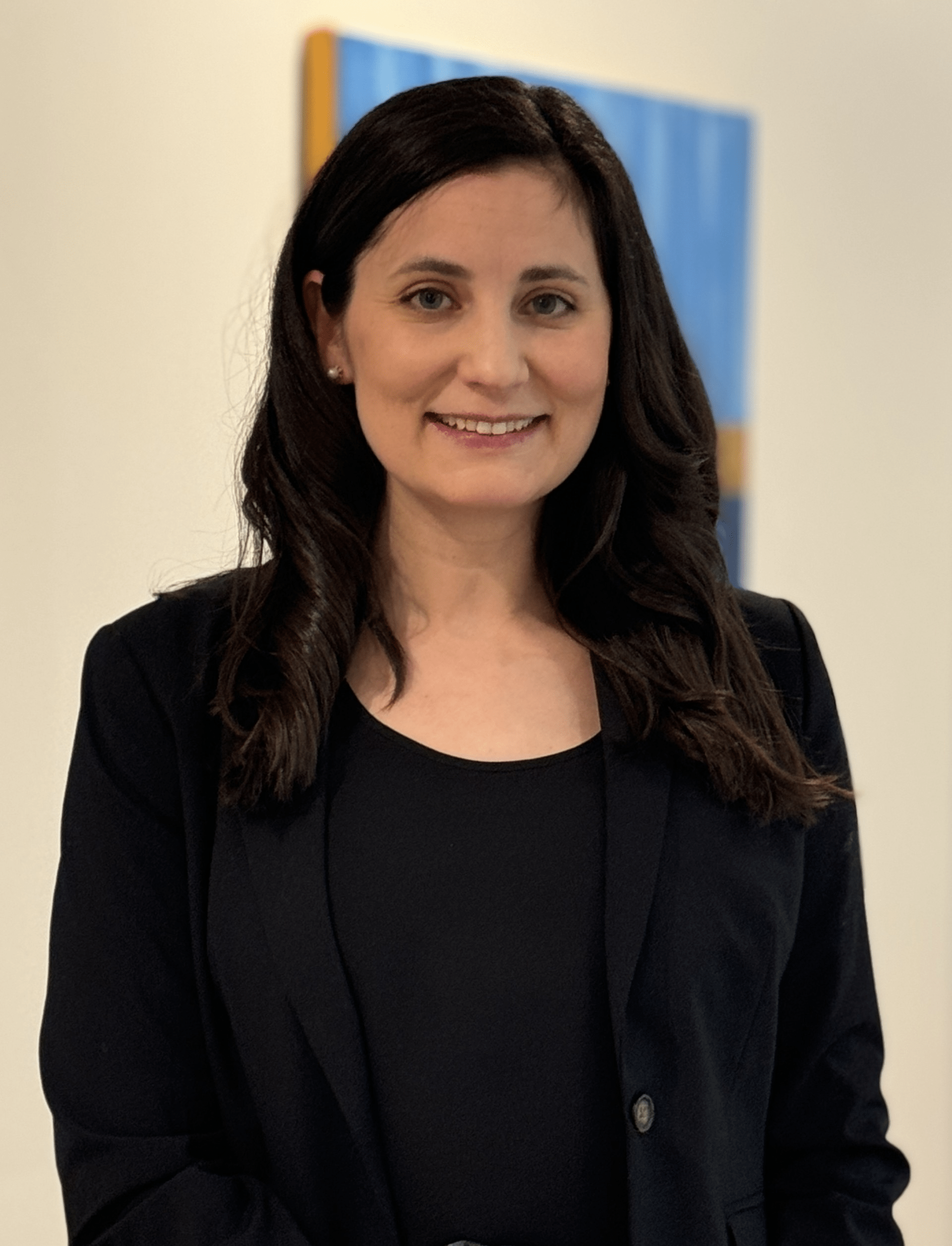
Emily Herzberg, MD
MassGeneral Hospital for Children
Dr. Herzberg is a clinician-scientist and Neonatologist at Mass General Brigham for Children (Mass General Hospital).
Her research interest focuses on neonatal neurocritical care and neuromonitoring. She has been involved in numerous clinical and translational research projects in the area of hypoxic-ischemic encephalopathy (HIE), intracranial hemorrhage, and neonatal seizures. She is also an NIH-funded investigator as the principal investigator of an R21 to study cerebral metabolism in newborns with HIE at risk for brain injury. In addition to clinical research, she is also the Neonatology Director for the MGBfC Fetal Care Program and the Chief of Neonatology at Salem Hospital. She is an Assistant Professor of Pediatrics at Harvard Medical School. Dr. Herzberg is passionate about answering research questions as a way to improve neonatal outcomes, scientific mentoring, and caring for newborns and their families during one of life’s most vulnerable times.
-
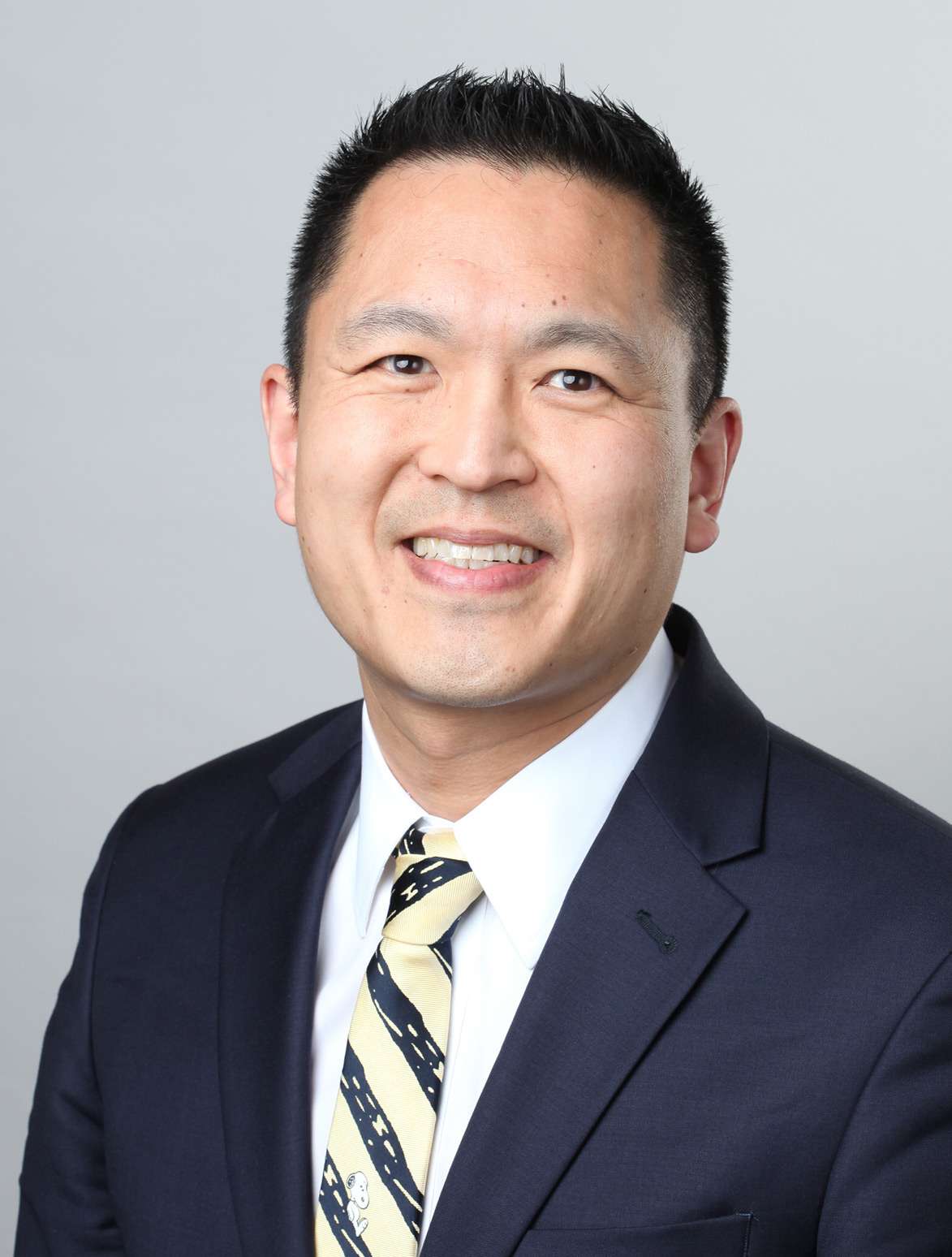
Andrew Hong, MD
Emory University School of Medicine, Children’s Healthcare of Atlanta
Since starting my lab in March 2020 at Emory University and the Children’s Healthcare of Atlanta, I have focused my research on shedding light to the rare and understudied cancers. This is building from my initial efforts as a postdoctoral fellow where I developed cell line and patient derived xenograft models from patients with rare pediatric cancers and used functional genomics to identify novel therapeutic targets. This work continues today where my lab is now specifically focused on using omics (e.g., long read sequencing, epigenome and transcriptome at bulk and single cell resolution) with functional genomics to study pediatric brain cancers with alterations in the chromatin remodeling complex, SWI/SNF. Our R01 funded work is geared towards understanding the biology and mechanisms of SMARCB1 mutations based on our deep mutational scanning efforts.
Combined with my role as the Renal Tumors Committee Biology Chair in the Children’s Oncology Group (COG) and larger efforts with the NIH X01 Common Fund Gabriella Miller Kids First program, we embrace the concept of the beach lab where trainees are expected to learn both computational biology as well as laboratory-based techniques. Furthermore, I am the PI for the Rare Diseases Research Program’s Pattern platform where we pair patients to researchers by ensuring that we can help patients around the country provide their tissue samples to researchers focused on a particular rare disease.
-
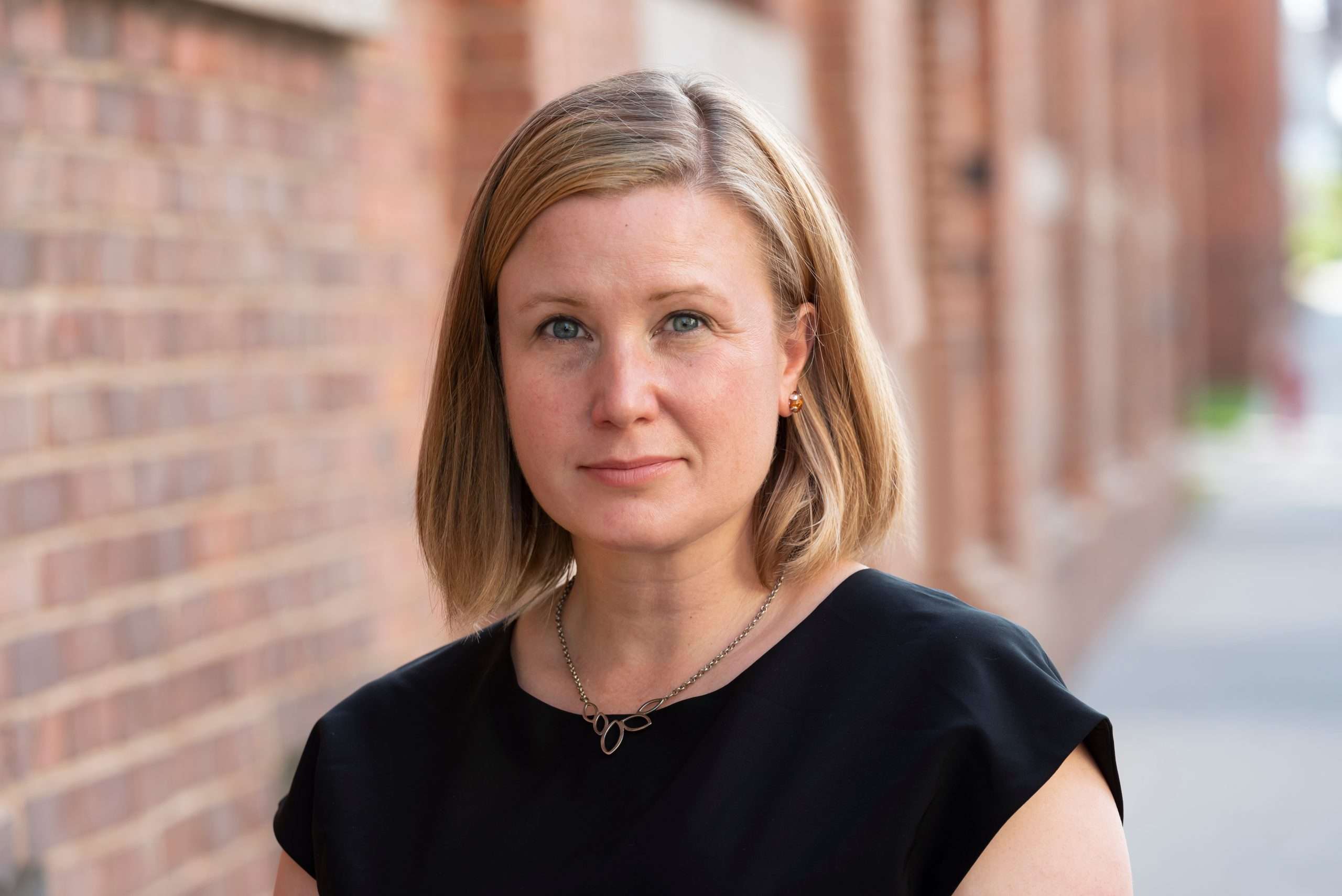
Jillian Hurst, PhD
Duke University School of Medicine
Dr. Jillian Hurst is a translational scientist whose research bridges clinical epidemiology, microbiome science, and real-world data to uncover risk factors for recurrent infections in early childhood. Her work focuses on acute otitis media (AOM), the most common bacterial infection of childhood, and integrates large-scale electronic health record analyses, multi-omic profiling, and prospective clinical cohorts to identify host, microbial, and environmental drivers of disease susceptibility. Dr. Hurst serves as Principal Investigator on several NIH- and FDA-supported studies, including the HOPE 1000 birth cohort, the ROAM study of children undergoing tympanostomy tube placement for recurrent AOM, and VAMPP, a study of the impact of period products on the cervicovaginal microbiome.
Dr. Hurst’s independent research program is supported by a National Institute of Allergy and Infectious Diseases Mentored Career Development (K01) Award, which is focused on the effects of early life exposures on the respiratory microbiome and infection risk. She co-led the development of the Duke Clinical Research Datamart and has published over 60 peer-reviewed articles in journals such as Nature Communications and Clinical Infectious Diseases. A strong advocate for team science and research training, Dr. Hurst also leads initiatives to enhance scientific communication and to mentor emerging child health researchers across disciplines.
-
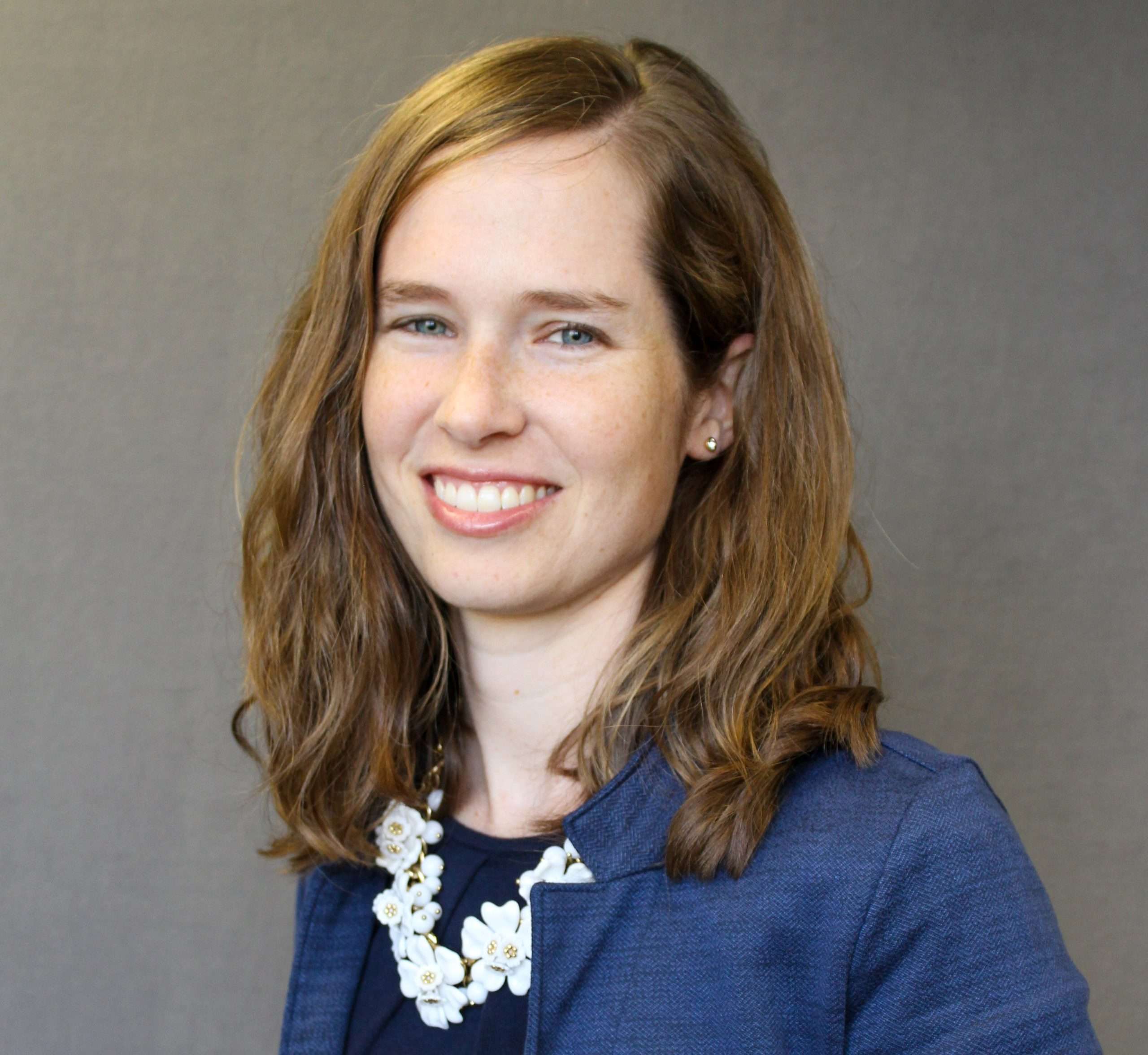
Ellen Ingolfsland, MD
University of Minnesota Medical School
Dr. Ingolfsland is an Assistant Professor of Pediatrics and a Neonatologist at the University of Minnesota. She completed her undergraduate degree at Wheaton College (IL) and her medical training at the University of Minnesota.
Her research program focuses on retinopathy of prematurity (ROP) through laboratory-based basic science and translational research. Her long-term goal is to improve ROP outcomes by informing clinical management of preterm infants through mechanistically focused research. ROP is a common, vision-impairing disease among very preterm infants and is multifactorial in its pathogenesis. The Ingolfsland Lab investigates the role of specific clinical comorbidities experienced by preterm infants in the development of ROP. Current experiments are focused on the impact of anemia on retinal vascular development and mechanisms involved. Their goal is to identify key pathways that are common to multiple comorbidities that can then be targeted for preventative or therapeutic interventions. The Ingolfsland laboratory utilizes the 50/10 rat model of oxygen-induced retinopathy and the human retinal microvascular endothelial cell culture model. Common laboratory techniques employed include retinal immunohistochemistry, bulk and single cell RNA sequencing, flow cytometry, qPCR, Western blot, and ELISA.
-
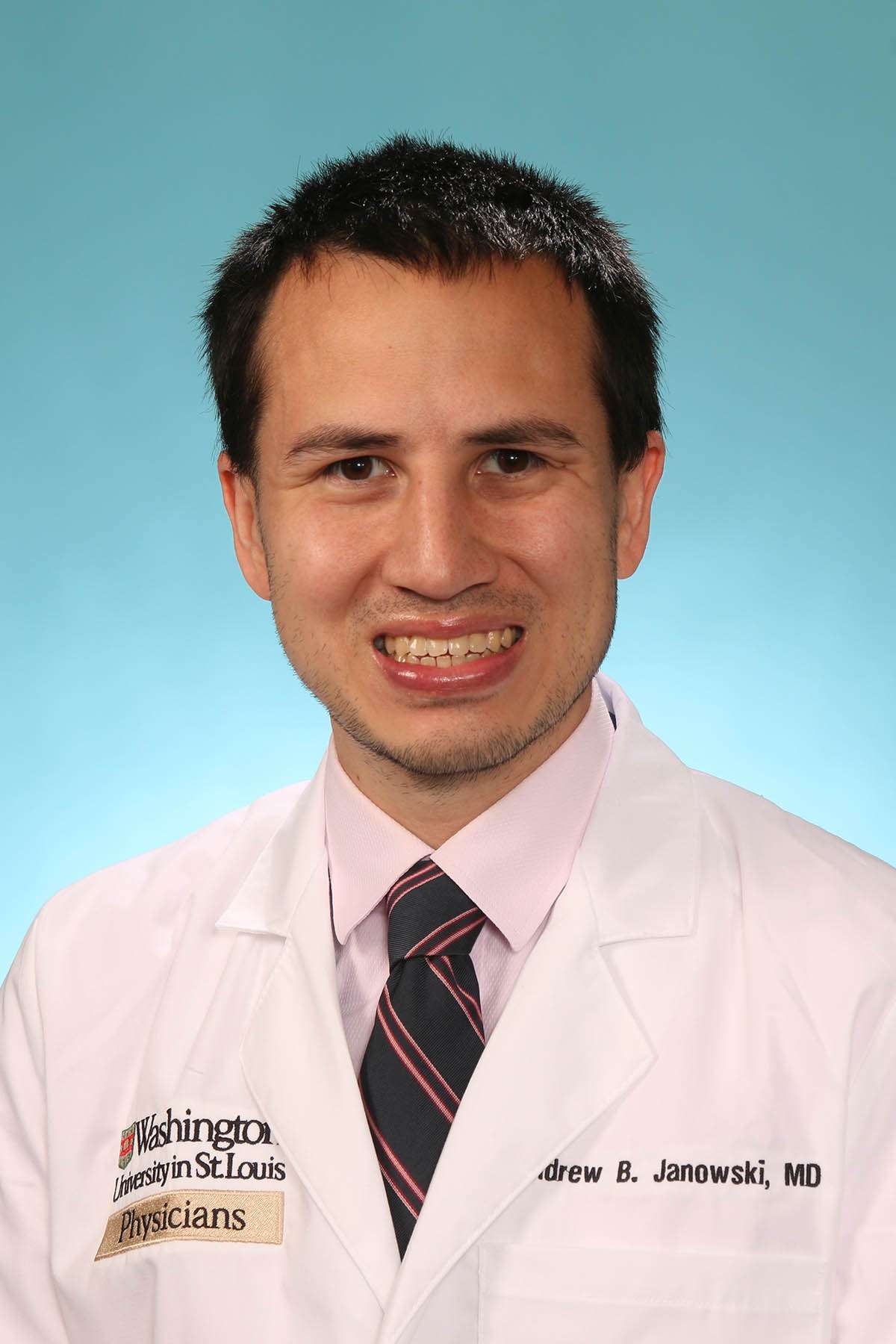
Andrew Janowski, MD, MSCI
St. Louis Children’s Hospital, Washington University in St. Louis School of Medicine
Dr. Janowski is a physician-scientist specialized in pediatric infectious diseases. His research focuses on the discovery and characterization of novel viruses. Currently, his work focuses on the role of astroviruses in causing human diseases. Most humans around the world have been infected by these viruses, with most infections occurring during childhood. Recently, astroviruses have been discovered to cause infections of the human brain, resulting in fatal cases of encephalitis. Dr. Janowski was the first person to be able to isolate and grow the most commonly detected astrovirus from these cases, astrovirus VA1. He showed that the virus can replicate in cells of the brain and has been developing cutting-edge models to understand how this virus causes neurological diseases. His lab has been using “mini brains” (brain organoids) to study how the virus infects different cell types of the human brain and to track what happens to the cells after infection. His work also recently discovered that astroviruses can infect the hearts of mice, suggesting that astroviruses could also play a role in cardiovascular diseases in humans. Dr. Janowski has also been studying the basic biology of astroviruses and how they reproduce. Viruses use specific structures in their viral genome to facilitate replication of new viruses. He found a specific RNA sequence in the viral genome to be essential for this process. Interestingly, this RNA element is also encoded by several other viruses. His lab is now studying the function of this element and why different viruses have evolved to also encode it. Finally, Dr. Janowski is translating this work back to patient care. It is currently unknown how often astroviruses cause infections of the central nervous system because no clinically approved tests exist. His lab is now developing new diagnostic tests and treatments for astrovirus infections.
-
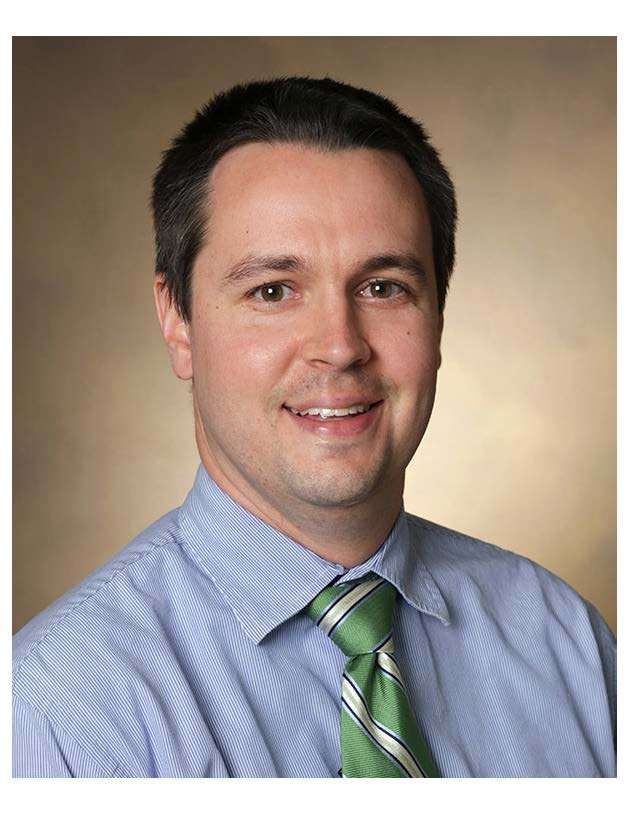
David Johnson, MD
Vanderbilt University School of Medicine, Vanderbilt University Medical Center
David P Johnson, MD is a Professor of Pediatrics within the Vanderbilt University School of Medicine and is a practicing Pediatric Hospitalist within the Division of Pediatric Hospital Medicine. He serves as the Inpatient Medical Director of Quality and Safety for Monroe Carell Jr. Children’s Hospital at Vanderbilt.
His academic pursuits involve health systems research to investigate child health outcomes and resource utilization using large data sets, often working to understand variability in those outcomes based on hospital-characteristics and patient demographics. He also has a passion for rigorous Quality Improvement science, using data to understand variability in outcomes, resource utilization, or processes and subsequently drive improvement for children throughout the healthcare system. He leads and works within teams to improve adherence to evidence-based care throughout the hospital, reduce hospital-acquired conditions, and improve hospital efficiencies, striving where he can to translate this work using rigorous improvement science methodology into peer-reviewed publications to disseminate successful interventions.
-

Neha Joshi, MD, MS
Stanford University School of Medicine
Neha S Joshi, MD MS is an Instructor in the Division of Pediatric Hospital Medicine at Stanford University. Her clinical responsibilities include caring for hospitalized children at Lucile Packard Children’s Hospital Stanford as a board certified Pediatric Hospitalist, and neonatal resuscitation and the care of level I/II late preterm and term newborns as a Neonatal Hospitalist. Dr. Joshi completed her MD with Distinction at the University of California San Francisco, followed by both residency in Pediatrics and fellowship in Pediatric Hospital Medicine at Stanford University. Dr. Joshi additionally completed a Masters in Clinical Research and Epidemiology at Stanford University.
Her research program seeks to identify and implement high value care practices for late preterm and term infants during the birth hospitalization. Dr. Joshi’s prior work has included the development of a clinical examination-based approach to identifying late preterm and term infants at risk for early onset sepsis; this work won the Jennifer Daru Memorial Award for manuscript with most potential to impact clinical care. Her current focus is the development of clinical benchmarks and quality markers for the care of late preterm infants during the birth hospitalization. Dr Joshi’s work has been supported by the NIH, the Gerber Foundation, the Society for Pediatric Research, and the Stanford Maternal and Child Health Research Institute.
-
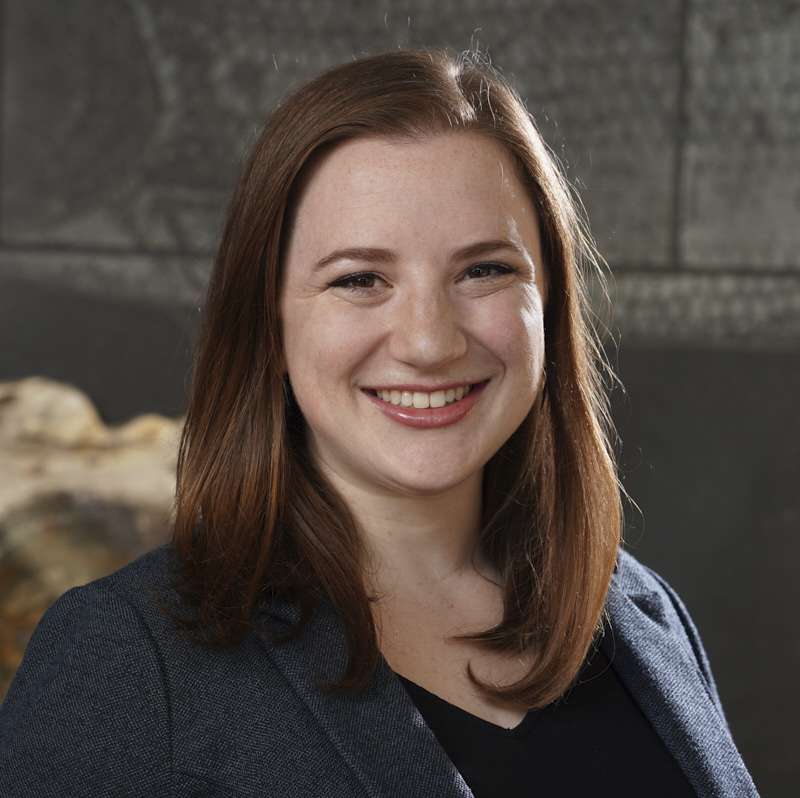
Nicole Kahn, PhD, MEd
University of Washington School of Medicine, Seattle Children’s
Dr. Nicole Kahn is an Assistant Professor in the Division of Adolescent Medicine in the Department of Pediatrics at the University of Washington and an investigator in the Center for Child Health, Behavior and Development at the Seattle Children’s Research Institute. She received her PhD in maternal and child health from the Gillings School of Global Public Health at the University of North Carolina at Chapel Hill in 2018, after which she worked at the National Academies of Sciences, Engineering, and Medicine where she led projects focused on adolescent health behavior programs for the U.S. Office of the Assistant Secretary for Health and online tools to promote emotional well-being and resilience in response to the COVID-19 pandemic for the Centers for Disease Control and Prevention. Since joining Seattle Children’s and the University of Washington in 2021, her research has focused on working with adolescents, parents/caregivers, and other partners to strengthen health information technology systems and promote equitable access to care for diverse adolescents.
-

Melissa Kay, MPH, MS, PhD
Wake Forest School of Medicine of Wake Forest Baptist Medical Center
Melissa C. Kay, PhD, MS, MPH, RD, CLC, is an Assistant Professor in Pediatrics and Epidemiology at Wake Forest University School of Medicine and an Adjunct Assistant Professor in the Department of Nutrition at the Gillings School of Global Public Health, University of North Carolina. She holds a Ph.D. in Nutrition Interventions and Policy with a minor in Epidemiology from the University of North Carolina, Chapel Hill. Dr. Kay’s research focuses on maternal and child nutrition, with a particular emphasis on early life obesity prevention and the impact of diet quality on health outcomes. Dr. Kay has extensive involvement in research, publication, mentorship, and service within the field of nutrition and public health. She has contributed significantly to the field through her work on various projects, including the development of digital health interventions to improve diet quality among low-income families and the assessment of dietary patterns in infants and toddlers. These findings contribute to the understanding of how maternal and infant diet, digital health interventions, and supportive feeding practices can impact health outcomes and obesity prevention in early life. Dr. Kay’s work aims to bridge the gap between research and practice, ultimately improving health outcomes for vulnerable populations.