
2026 New Members
-
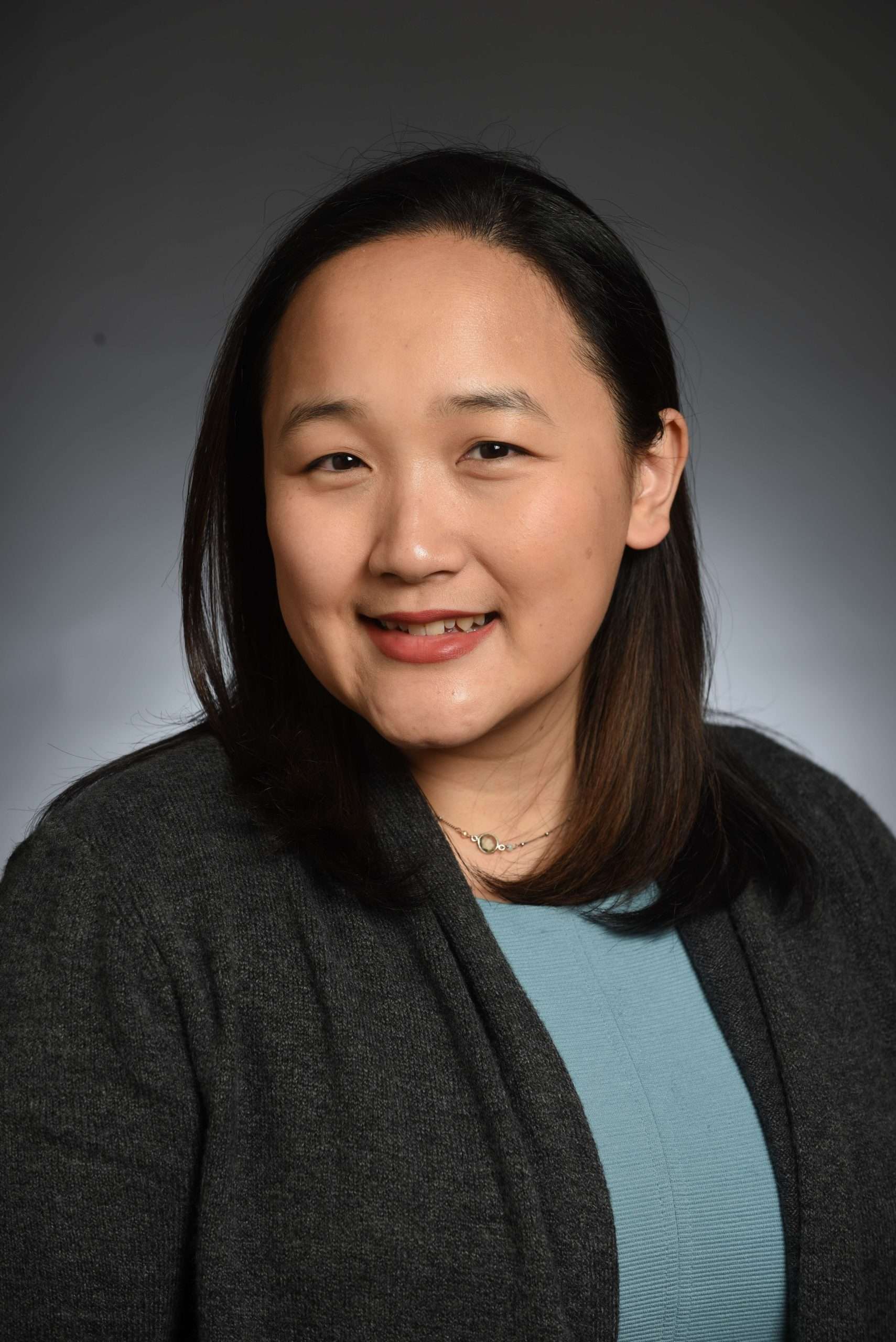
Ting Ting Fu, MD, MS
Cincinnati Children’s, University of Cincinnati College of Medicine
Ting Ting Fu is an Associate Professor of Pediatrics at Cincinnati Children’s and University of Cincinnati in the Division of Neonatology. She studied biology at the Massachusetts Institute of Technology and obtained a medical degree from the University of Kentucky and a master’s degree in clinical and translational research from the University of Cincinnati. She completed her pediatric residency at Maine Medical Center and neonatal-perinatal medicine fellowship at Cincinnati Children’s. Dr. Fu’s research interests center on improving our understanding of neonatal nutrition and growth of preterm infants with a translational approach utilizing human milk compositional analysis. Her current research efforts focus on optimizing nutrient content and delivery through human milk to modulate growth and identifying targeted approaches to improve the utilization of donor milk and mitigate the disparity between donor and maternal milk. She is also co-director of the Infant Nutrition Research & Clinical Hub, overseeing nutrition management and interventions across the region’s six Level III/IV NICUs and leading the Perinatal Institute Human Milk Research Biorepository.
-
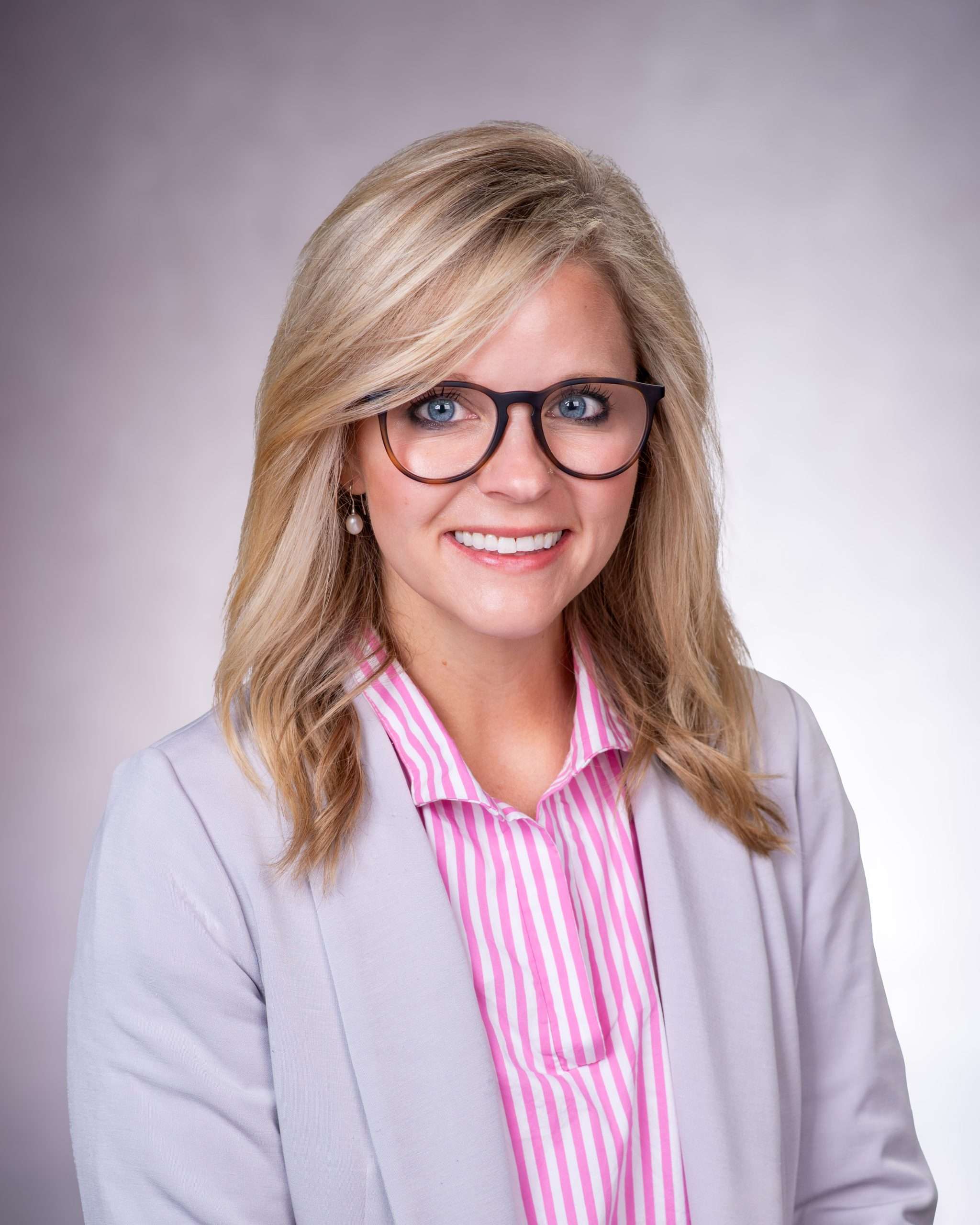
Jamie Furlong-Dillard, DO
University of Louisville School of Medicine
Dr. Jamie Furlong-Dillard is an Associate Professor of Pediatrics at the University of Louisville and serves as the ECMO Medical Director at Norton Children’s Hospital. She is a board-certified pediatric intensivist with over a decade of experience in critical care, specializing in extracorporeal membrane oxygenation (ECMO), cardiac intensive care, nutrition, and quality improvement initiatives. Dr. Furlong-Dillard’s academic and clinical leadership includes developing simulation-based ECMO education programs, implementing evidence-based guidelines, and directing the fellowship research and statistics curriculum to train the next generation of pediatric intensivists. Her research focuses on improving outcomes for critically ill children, especially those with congenital heart disease. She is deeply involved in multicenter collaborations investigating ECMO complications, anticoagulation management, nutrition protocols, and neurodevelopmental outcomes. Notably, she leads projects to standardize care for infants with congenital heart disease at risk of necrotizing enterocolitis (NEC), developing a novel scoring tool and treatment algorithm designed for earlier risk stratification and intervention. These efforts include establishing multicenter data-sharing infrastructure to enable real-time analysis and continuous refinement of clinical protocols. Nationally recognized for her expertise, Dr. Furlong-Dillard serves on scientific oversight and education committees for organizations such as the Extracorporeal Life Support Organization (ELSO), the Pediatric Cardiac Intensive Care Society (PCICS), and the PALISI Network. Her work has produced over 40 peer-reviewed publications, reflecting her commitment to translating research into practice to improve safety and outcomes for critically ill pediatric patients.
-

Michael Gardiner, MD
University of California, San Diego School of Medicine, Rady Children’s Hospital San Diego
Dr. Michael Gardiner is an Associate Clinical Professor of Pediatrics at the University of California San Diego and the Associate Division Chief for Research in Pediatric Emergency Medicine at Rady Children’s Hospital. His academic career is distinguished by a strong commitment to clinical excellence, scholarly productivity, and the advancement of pediatric emergency care through innovative research. Dr. Gardiner has served as Principal Investigator and site PI on multiple funded studies, with a particular focus on artificial intelligence (AI)-driven clinical decision support tools. His current work centers on Kawasaki MATCH, a machine learning algorithm designed to support the timely diagnosis of Kawasaki Disease. He is currently the PI on an ongoing grant-funded clinical implementation trial of Kawasaki MATCH in the Pediatric Emergency Department at Rady Children’s Hospital. Dr. Gardiner’s research portfolio spans clinical prediction, infectious disease, and emergency medicine, including contributions to multicenter trials through national and international research networks such as the Pediatric Emergency Care Applied Research Network (PECARN) and the Pediatric Emergency Research Networks (PERN). He has authored numerous peer-reviewed publications, presented at national and international conferences, and led quality improvement initiatives at his institution. As a mentor to medical students, residents, and fellows, he plays a central role in fostering the next generation of clinician-scientists. His long-term goals include expanding the use of AI-based clinical tools across pediatric care settings and securing sustained funding for multicenter validation studies to broadly disseminate and implement these innovations.
-

Brice Gaudilliere, MD, PhD
Stanford University School of Medicine
Dr. Brice Gaudilliere was born in France, studied Engineering at Ecole Polytechnique before completing an MD-PhD degree from the Harvard-MIT Health Sciences and Technology program. Dr. Gaudilliere joined the Stanford FARM program in 2009, under the co-mentorship of Dr. Martin Angst (Anesthesia) and Dr. Garry Nolan (Immunology). Dr. Gaudilliere is now a Professor at Stanford University, a board-certified Anesthesiologist, and the co-founder of a precision medicine techbio company (Surgecare). Research in the Gaudilliere lab leverages single-cell omics technologies to develop AI-based immune digital twin models for predicting and preventing adverse clinical events, ranging from surgical complications to maternal and neonatal pregnancy outcomes.
-
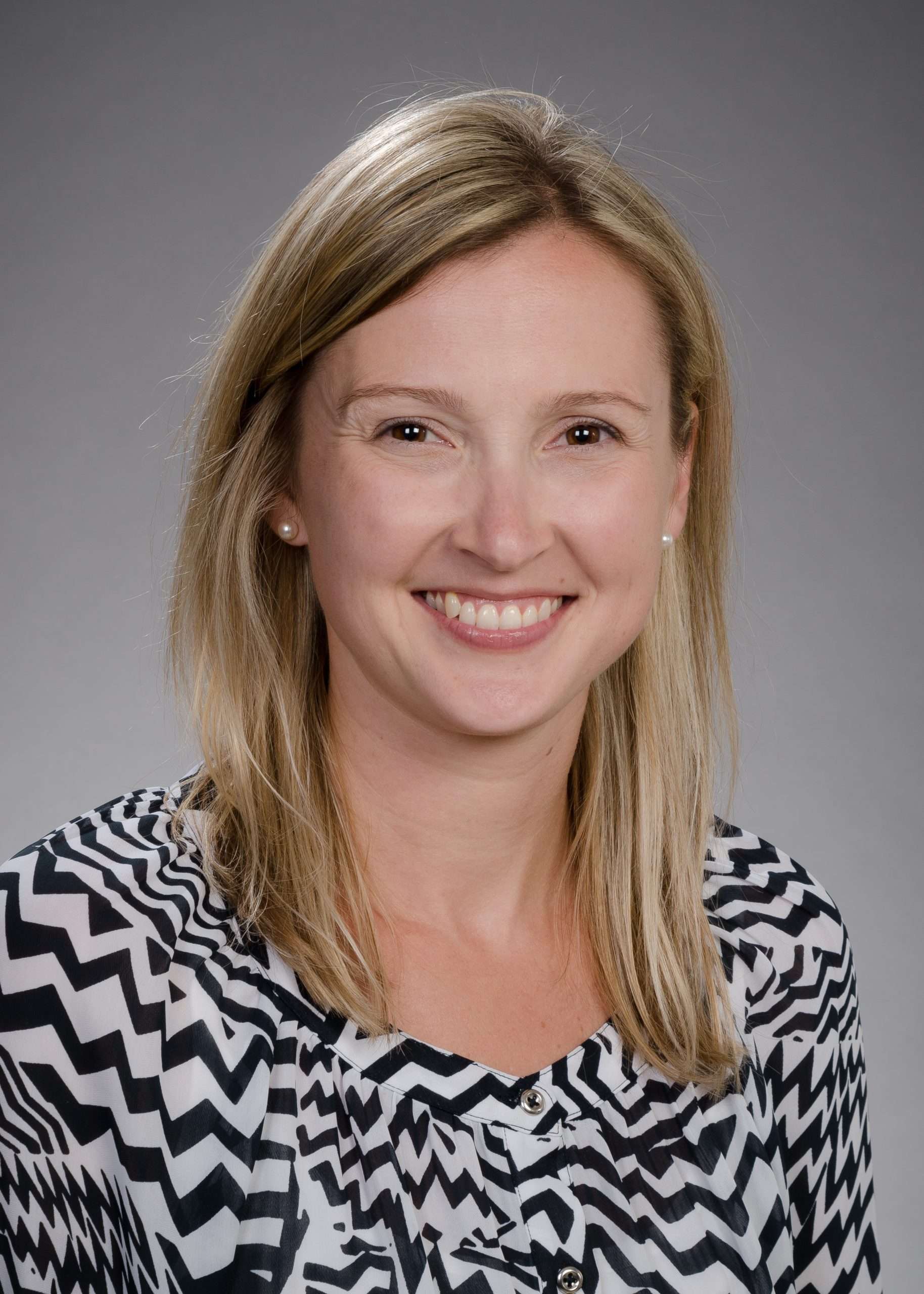
Kendell German, MD
University of Washington School of Medicine, Seattle Children’s
Dr. German is an Associate Professor at the University of Washington/Seattle Children’s Hospital in the Division of Neonatology. She earned her medical degree from the University of California, Davis and completed her residency in pediatrics at the University of California, San Francisco followed by a fellowship in Neonatal-Perinatal Medicine from the University of Washington. Dr. German’s research program focuses on the improvement of neurodevelopment in NICU infants with a particular emphasis on the impact of iron, erythropoietic stimulating agents and transfusions on brain development. She leads the research program at the University of Washington/Seattle Children’s NICU follow-up program housed at the Institute on Human Development and Disability, with an emphasis on clinical trials and outcomes research.
-

Megan Gray, MD
University of Washington School of Medicine, Seattle Children’s
Dr. Gray’s research focuses on ways to support neonatal care providers and their systems. She co-leads the Neonatal Education and Simulation Training (NEST) Program at the University of Washington, where she does research into simulation-based education, procedural training, communication training, transport safety, and emergency preparedness. Her research with the NEST team has included publications and grants around using virtual modeling to design improved neonatal regional transport systems, improving the quality of antenatal counseling for families expecting preterm delivery, and training incoming Neonatal-Perinatal Medicine fellows in excellent care. Regionally, Dr. Gray conducts research with the Northwest Healthcare Response Network around preparing for and responding to disasters using simulation models to elucidate best practices. Nationally, Dr. Gray leads research through the AAP’s Organization of Neonatal-Perinatal Training Program Directors (ONTPD) and had grants and publications centering on improving fellowship educational outcomes and programs. This work includes supporting both learners and program leaders with the goal to have strong and healthy pathways to Neonatology careers. She does advocacy research through the Women in Neonatology group in support of their mission to ensure female-identifying Neonatologists have the support and skills needed to advanced their careers.
-

Anne Greenough, MBBS, MD
Kings College London
My research is clinically focused answering questions relevant to improving prevention and management concerning the early origins of respiratory disease. My particular interests are to evaluate antenatal diagnosis and management of conditions likely to affect lung growth and function, optimising delivery suite resuscitation and neonatal unit ventilatory support and identifying risk factors for long term respiratory morbidity and possible preventative interventions. I also have a particular interest on the impact of sickle cell disease on lung function. I have been lucky enough to have been awarded extensive grant income and hence support bright young trainees successfully through completion of their MDRes or PhD. I have developed extensive international collaborations with like-minded clinical researchers. As a consequence of all this research activity, I have authored a large number of research publications, which most importantly have changed clinical practice informing major international textbooks and guidelines. I feel privileged to have developed the NICU at King’s College Hospital into one that has an international reputation for its clinical research attracting trainees and fellows from all over the world. It is essential to enthuse others in research, as research will improve outcomes, but also to give them the necessary skills and opportunities. Hence, I successfully applied to be the Chair of the NIHR Paediatrics (non-medicines) Speciality Group and was pleased that during my five year term we had a 40% year upon year increase in patient recruitment into paediatric studies. In 2014, I applied and was competitively elected to be Vice President (Science and Research) of the Royal College of Paediatrics and Child Health (RCPCH). There, I was supported by an excellent team to increase research capacity, including by supporting a collaboration of research funders and generic research training for all trainees and developing a research funding database and an infants, children’s and young people’s research charter. As Head of School of Medicine at King’s College, London (KCL), I led the development of faculty to improve research outcomes and was delighted when, at the end of my term of office, KCL’s Clinical Medicine’s research had so improved we were third for quality in the 2014 Research Excellence Framework.
-

Colleen Gutman, MD
University of Florida College of Medicine
Dr. Gutman is an Associate Professor of Pediatric Emergency Medicine at the University of Florida and a health communication scientist dedicated to improving the health of all children in measurable, meaningful ways. Her work centers on understanding the intersection of parent-physician communication, medical decision making, and health disparities during pediatric emergency care. This includes a focus on promoting patient-centered communication and improving professional interpretation for children and families who use languages other than English for medical care. She uses qualitative and mixed methods to conduct parent-engaged research. She is currently funded through an NIH K23 grant that examines factors that influence physician communication in the pediatric emergency department.
-

Heidi Herrick, MD, MSCE
Children’s Hospital of Philadelphia, University of Pennsylvania
Dr. Herrick is neonatologist and a clinical investigator in the field of human factors and its application to neonatal acute care including resuscitation and tracheal intubation. She has completed formal training in clinical epidemiology through the Master of Science in Clinical Epidemiology program at the University of Pennsylvania, and she is currently pursuing a Master of Science in human factors from Embry Riddle Aeronautical University. She is an Assistant Professor in Pediatrics at the Children’s Hospital of Philadelphia (CHOP) and the Perelman School of Medicine, University of Pennsylvania. She is an attending neonatologist at CHOP and the Hospital of the University of Pennsylvania (HUP) where she serves as the Director of Neonatal Audiovisual Recording for both institutions.
The overall goals of her research are to integrate human factors tools, methodology, and approaches into neonatal acute care to improve patient safety and outcomes and optimize human performance. One of the key tenants of human factors is to study work as done, not work as imagined. To this end, Dr. Herrick’s research employs video recording and analysis, including eye-tracking technology, during delivery room resuscitation, in-unit resuscitation, and during tracheal intubation. Her work focuses on evaluating the impact of system factors on team performance and patient outcomes. She has employed multiple types of research designs in her work including prospective and retrospective observational studies, retrospective cohort studies, qualitative studies including qualitative interviews and video reflexive ethnography, quality improvement studies, and multicenter randomize controlled trials.