
2026 New Members
-
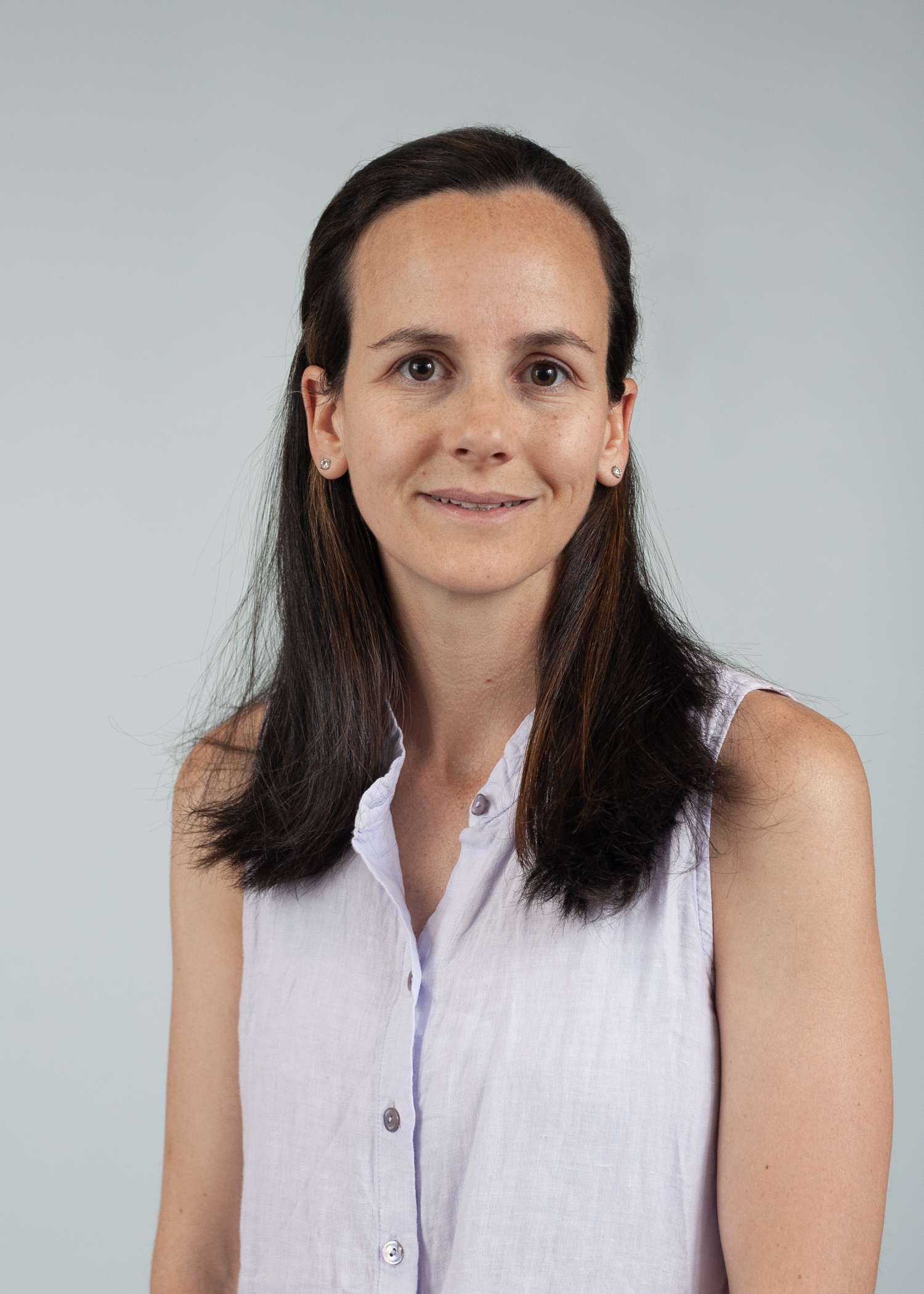
Anna Duncan, MD, MHS
MassGeneral Hospital for Children, Harvard Medical School
Dr. Duncan is an Attending Neonatologist at Mass General Brigham for Children and an Assistant Professor of Pediatrics at Harvard Medical School. Her research focuses on understanding genetic causes of early onset neurodevelopmental disorders and is supported by an NINDS-K08 Career Development Award and a Shore Faculty Development Award. In her basic science research, Dr. Duncan models rare genetic etiologies of neurodevelopmental disorders in zebrafish in order to understand their impact on the developing brain. The aims of her K08 award include understanding the function of the DEAD-box gene EIF4A2 and interrogating its role in GABA interneuron development. She has utilized the CRISPR/Cas9 system to generate the first eif4a2 loss of function model in zebrafish and has shown that the larvae are hyperexcitable and have a reduction in GABA interneurons.
Clinically, Dr. Duncan is interested in improving the identification of early onset neurogenetic disorders in the NICU. She co-leads a clinical research study entitled “Assessing diagnostic yield of whole genome sequencing in newborns with neonatal encephalopathy.” This work is support by a BWH-MGH Newborn Medicine Collaborative grant.
As a physician-scientist and a neonatologist, her long-term goal is to improve the neurodevelopmental outcomes of infants and children. She aims to do this by identifying genetic causes of neurodevelopmental disorders in the NICU, modeling identified genetic variants in zebrafish to better understand their pathophysiology and identifying targets for therapy. This path will both combine and build upon her interests in neonatal care, developmental neurobiology and genetics in a bassinet to bench approach.
-

Christine Duncan, MD, MSc
Dana Farber Cancer Institute, Boston Children’s Hospital
Dr. Christine Duncan is a Senior Physician at Dana-Farber/Boston Children’s Cancer and Blood Disorders Center and the Director of Clinical Research and Clinical Development of the Gene Therapy Program at Boston Children’s Hospital. She is also an Associate Professor of Pediatrics at Harvard Medical School. Dr. Duncan graduated from the University of Chicago Pritzker School of Medicine and completed her residency in the Boston Combined Residency Program at Boston Children’s Hospital/Boston Medical Center where she served as a Chief Resident. She then completed her fellowship at Boston Children’s Hospital/Dana-Farber Cancer Institute. Dr. Duncan has contributed to several important studies in pediatric hematology, stem cell transplantation, and gene therapy. A key focus of her work is the cellular therapy of children with rare nonmalignant disease. This work includes gene therapy for children with cerebral adrenoleukodystophy which resulted in three co-first author papers in the New England Journal of Medicine. Dr. Duncan is the Vice-Chair of the Pediatric Transplant and Cellular Therapy Consortium; the largest international group focused on clinical trials for children undergoing stem cell transplant and gene therapy. In this capacity she developed the RESILIENT Conference series, which focuses on the interaction of chronic graft-versus-host disease (GVHD) and survivorship in pediatric patients following hematopoietic cell transplantation. In these publications, she explores critical patient outcomes, the phases of chronic GVHD, supportive care, and discontinuation of systemic therapy. Another significant publication details the development of hematologic cancer after gene therapy for cerebral adrenoleukodystrophy. These studies contribute to advancing treatment protocols and understanding the complexities of gene therapy and stem cell transplantation in pediatric care.
-

Tara DuPont, MD
University of Utah School of Medicine
Dr. Tara L. DuPont is a board-certified neonatologist committed to advancing pediatric science and improving outcomes for high-risk neonates. Her expertise lies particularly in long-term neurodevelopmental outcomes, with a strong focus on neonatal encephalopathy. Dr. DuPont’s research has directly addressed critical gaps in our understanding of HIE management, especially concerning infants with mild HIE who may not meet traditional hypothermia criteria. Her dedication to rigorous clinical research and guideline development highlights her passion for translating evidence-based practices into tangible improvements in clinical care. Dr. DuPont has actively participated in and led numerous influential studies and clinical trials. Her early work in defining the outcomes of mild HIE in the era of hypothermia treatment paved the way for further investigation and optimization of care strategies. She completed a pilot study randomizing infants with mild neonatal encephalopathy to treatment with Darbepoetin vs placebo. She has since contributed significantly to multi-center initiatives. She is the site principal investigator for the Cool PRIME study and OptiStart Trial, among others. Dr. DuPont consistently demonstrates her ability to design, implement, and analyze complex research projects. Dr. DuPont’s commitment extends beyond research and clinical practice. She is a dedicated mentor, guiding the next generation of pediatric researchers and fostering their passion for improving outcomes for high-risk infants. Her leadership in quality improvement initiatives, such as developing a neonatal encephalopathy guideline for a large hospital system and implementing telemedicine technologies, underscores her dedication to ensuring the delivery of evidence-based, standardized care.
-
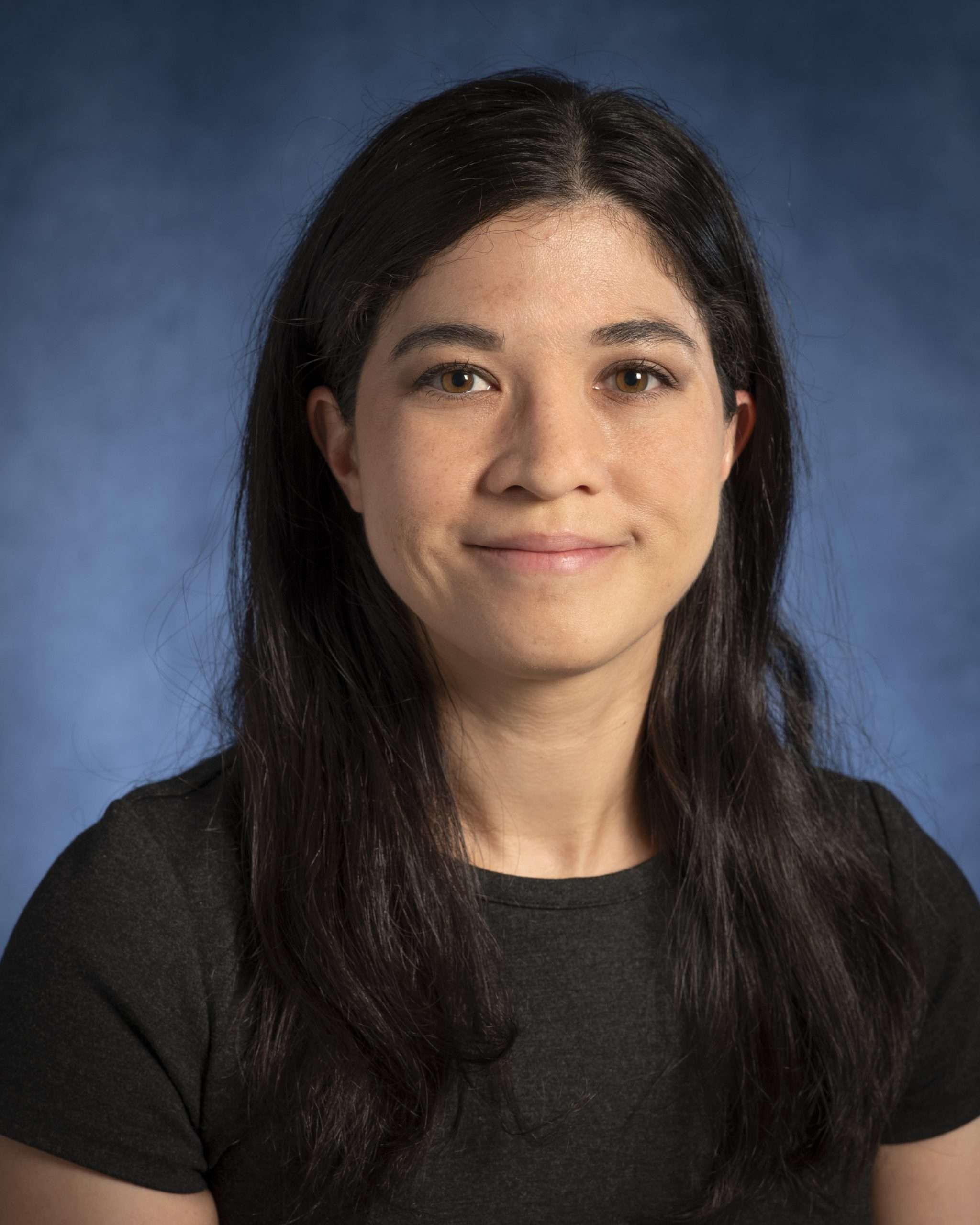
Cyd Eaton, MS, PhD
Johns Hopkins University School of Medicine
Dr. Eaton is an Assistant Professor in the Division of General Pediatrics at the Johns Hopkins University School of Medicine and a Faculty Lead for the Biostatistics, Epidemiology, and Data Management (BEAD) Core.
As a clinical psychologist with specialized expertise in pediatric psychology, her research centers on improving medication adherence and self-management among children, adolescents, and young adults with chronic illnesses, with a particular focus on pediatric chronic kidney disease and solid organ transplantation. Her current mixed-methods research leverages behavior change theory and stakeholder engagement to design and evaluate digital health interventions that promote pediatric adherence. Dr. Eaton is also recognized for her expertise in the application of patient reported outcomes in clinical research and practice. She is the Principal Investigator of an NIDDK-funded K23 award and has more than 50 peer-reviewed publications. Dr. Eaton’s overarching goal is to design and disseminate evidence-based, effective, and accessible interventions to support pediatric adherence and self-management.
-

Alice Ellyson, MS, PhD
University of Washington School of Medicine, Seattle Children’s Research Institute
Dr. Ellyson is an Assistant Professor in the Department of Pediatrics, School of Medicine at the University of Washington (UW), Adjunct Assistant Professor in the Department of Health Systems and Population Health, School of Public Health at UW, affiliate faculty in the Center for Studies in Demography and Ecology at UW, the Director of Policy in the Center for Firearm Injury Prevention at UW, and a principal investigator in the Center for Child Health, Behavior, and Development at Seattle Children’s Research Institute. Dr. Ellyson’s research focuses on how policies, incentives, and infrastructure shape individual and family well-being, providing rigorous empirical evidence to inform policies and decisions. She has a grant funded program of research focusing on the role of policies in the areas of health, crime, the economy, and others and their implementation on interpersonal violence, especially intimate partner violence, sexual violence, and child maltreatment. Her interdisciplinary research has been funded by various federal and non-profit organizations, and her work has been published in a variety of peer-reviewed journals including economics journals (e.g., Contemporary Economic Policy, Health Economics), health/medicine journals (e.g., the Journal of Rural Health, Preventive Medicine, JAMA Network Open), and violence-specific journals (e.g., Journal of Interpersonal Violence, Injury Prevention).
-

Marc Foca, MD
Children’s Hospital at Montefiore
Dr. Foca graduated from Johns Hopkins University with a B.A. and Rutgers New Jersey Medical School with an MD in 1995. He subsequently completed internship and residency in Pediatrics at Babies Hospital, Columbia University Medical Center. He remained for fellowship in Pediatric Infectious Diseases and upon completion became the Clinical Director of the Pediatric HIV Clinic and a member of the Division of Pediatric Infectious Diseases, where he remained for 20 years, until moving to the Children’s Hospital at Montefiore in the Bronx. His early publications were in conjunction with the Pediatric AIDS Clinical Trials Group (PACTG), the Women and Infant Transmission Study (WITS) and the International Maternal Pediatric Adolescent AIDS Clinical Trials (IMPAACT) group. For 12 years, he was a member of the Department of Health and Human Services (DHHS) Guidelines for the Use of Antiretroviral Agents in Pediatric HIV Infection. Upon transition to Montefiore, Dr. Foca became the Clinical Director of the Transplant and Immunocompromised Service. His work and research focuses mainly on pediatric patients with solid organ transplants, stem cell transplants, CAR-T therapy, and gene therapy.
-

Christy Foster, MD
University of Alabama at Birmingham, Heersink School of Medicine
Dr. Christy Foster is a board-certified pediatric endocrinologist and Assistant Professor of Pediatrics at the University of Alabama at Birmingham (UAB). She completed her pediatric residency at the University of Arkansas for Medical Sciences, followed by fellowship training in pediatric endocrinology at the University of Tennessee Health Science Center. During her fellowship, Dr. Foster cultivated a strong interest in metabolic disorders in youth, leading early research efforts in dyslipidemia, polycystic ovary syndrome (PCOS), and endocrine complications of malnutrition and obesity. Since joining the UAB faculty, Dr. Foster has established an active and independent research program focused on the intersection of pediatric obesity, type 2 diabetes, and biological aging. She serves as principal investigator on several hypothesis-driven projects, including a UAB Obesity Health Disparities Research Center grant titled “Epigenetic Age in Adolescents with Obesity”, an NIH NIDDK Supplemental Grant titled “Epigenetic Age in Adolescents with Type 2 Diabetes”, and a UAB K12 Scholar Award titled “Epigenetic Signature Changes in Adolescents with Type 2 Diabetes.” Her current work also includes a Kaul Pediatric Research Institute–funded study examining “Evaluation of Chromogranins in Adolescents with Type 2 Diabetes,” and a UAB CCTS pilot project focused on “Novel Recruitment Methods for Epigenetic/Genetic Studies.” In addition, she contributes as a sub-investigator on the NIH R21 grant “The Presentation and Medical Course of PCOS in Adolescents Across the United States.” Dr. Foster’s research productivity is reflected in a growing body of first- and senior-author publications, including recent studies on dyslipidemia, epigenetic age acceleration, metabolic liver disease, and healthcare transitions in youth with diabetes. She serves as Director of the UAB Pediatric Endocrine Division Research Program and remains active in national societies through leadership roles and committee service. Through her scholarship, leadership, and mentorship, Dr. Foster is committed to advancing evidence-based, equitable care for children and adolescents with chronic endocrine disorders.
-

Megan Freeman, MD, PhD
UPMC Children’s Hospital of Pittsburgh
Megan Culler Freeman, MD, PhD, is an Assistant Professor of Pediatrics in the Division of Infectious Diseases at the University of Pittsburgh School of Medicine and UPMC Children’s Hospital of Pittsburgh. Freeman received her Bachelor of Science degree from the University of Kentucky and her Doctor of Medicine and Doctor of Philosophy Degrees through the Vanderbilt University Medical Scientist Training Program. She completed Pediatrics Residency and Infectious Diseases Fellowship through the UPMC Children’s Hospital of Pittsburgh Pediatrician Scientist Development Program (PedSDP) where she received awards for clinical teaching during both residency and fellowship. Freeman is a virologist interested in human tissue models and viral pathogenesis. Her lab (mcfreelab.org) is focused on investigations of RNA viruses with neurotropism, with current focus on enterovirus D68, a cause of acute flaccid myelitis (AFM), a polio-like illness in children. She has published research articles on the basic science and cell biology of coronaviruses and enteroviruses, as well as projects in collaboration with the UPMC clinical labs, textbook chapters, and reviews. She is also the director of the Pittsburgh Assembloid (pghassembloid.org), a community for organoid researchers.
-

Cristin Fritz, MD, MPH
Vanderbilt University School of Medicine, Vanderbilt University Medical Center
Dr. Fritz received her MD and MPH degrees from Vanderbilt University School of Medicine (2010-15). She also completed her residency in pediatrics at Vanderbilt (2015-18) followed by her fellowship in Pediatric Hospital Medicine at the University of Colorado (2018-20). She returned to Vanderbilt in July 2020, joining the faculty as an Assistant Professor of Pediatrics in the Division of Pediatric Hospital Medicine. Her research focuses on designing, implementing, and testing place-based patient and systems-level interventions that address food insecurity and other health-related social needs in order improve health outcomes for all children.