2026 New Members
-
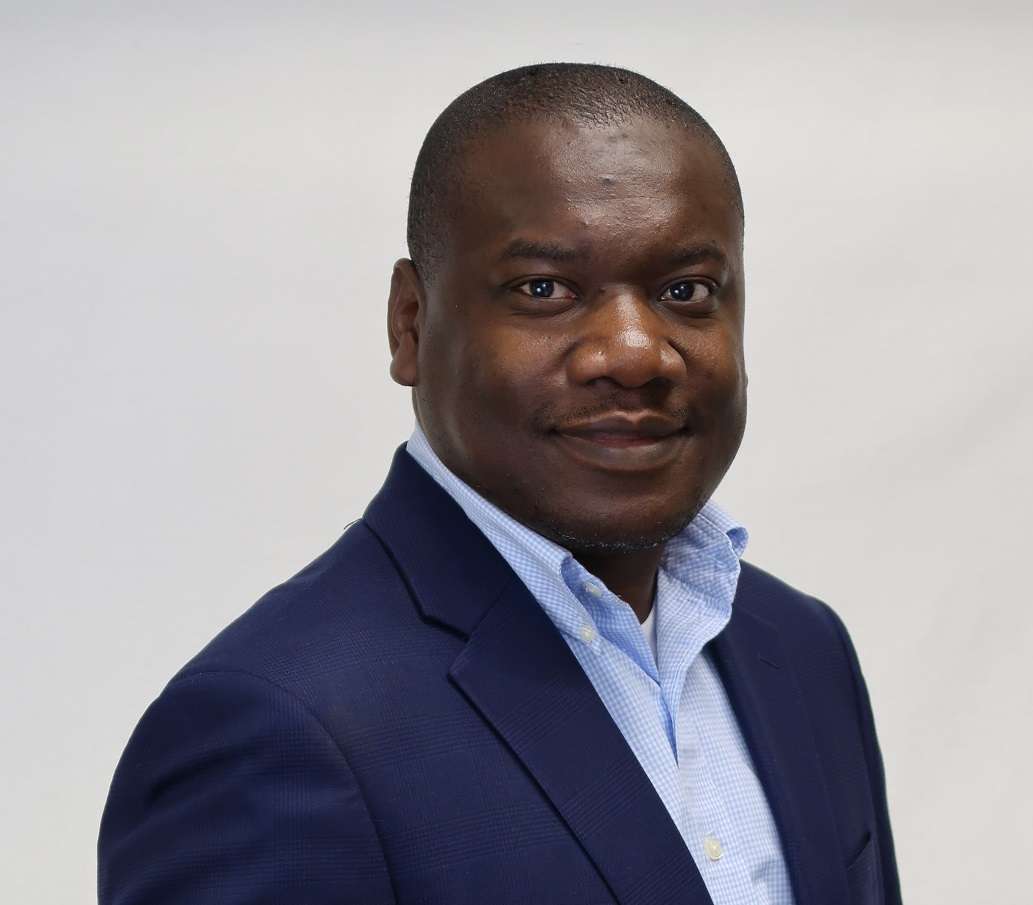
Fredrick Dapaah-Siakwan, MD
Valley Children’s Healthcare, Stanford University School of Medicine
Dr. Fredrick Dapaah-Siakwan is an Attending Neonatologist at Valley Children’s Hospital in Madera, CA, an Assistant Professor of Clinical Pediatrics (Affiliated) at the Department of Pediatrics, Stanford University School of Medicine, and an Associate Program Director of the Valley Children’s Healthcare Pediatric Residency Program. Dr. Dapaah-Siakwan completed his medical education at the University of Ghana Medical School in Accra, Ghana, followed by residency training at Jefferson Einstein Philadelphia Hospital in Philadelphia, PA, and Neonatal-Perinatal fellowship at the University of Miami Miller School of Medicine/Jackson Memorial Hospital in Miami, FL. Dr. Fredrick Dapaah-Siakwan was awarded the Society for Pediatric Research Fellows Basic Research Award in 2018 for his fellowship research project on ‘Caspase-1 inhibition attenuates hyperoxia-induced lung and brain injury in neonatal mice’. Dr. Dapaah-Siakwan’s research interests focus on the use of large, population-based, nationally representative databases to understand the changes in the epidemiology of pediatric (including neonatal) conditions and outcomes. Some of his most recent research projects have focused on outcomes of periviable preterm infants, the impact of neonatal abstinence syndrome on birth defects, the relationship between decreasing birthweight and gestational age on short-term neonatal outcomes in the US, as well as trends in mortality related to hypoxic-ischemic encephalopathy in the United States. His research has been presented orally and as posters at national meetings such as PAS, AAP National Conference, IDWEEK, and the Western Medical Research Conference. He has published his research in high-impact peer-reviewed journals. Dr. Dapaah-Siakwan is passionate about mentoring the next generation of pediatric researchers and has guided multiple pediatric residents who have gone on to present their research at national meetings and publish their research manuscripts. Dr. Dapaah-Siakwan is an active member of the American Academy of Pediatrics and the Association of Pediatric Program Directors.
-

Patricia Davenport, MD
Boston Children’s Hospital
Dr. Patricia Davenport is a neonatologist and physician-scientist who is dedicated to the study of neonatal hematology and transfusion medicine with a focus on platelet biology and platelet transfusions. She received her medical degree from the University of Cincinnati College of Medicine, completed her pediatric residency at New York University and her subspecialty training in Neonatology in the Harvard Neonatal-Perinatal Fellowship Program. During her fellowship she trained in the laboratory of Dr. Martha Sola-Visner and developed a strong knowledge of platelet and megakaryocyte biology, transfusion medicine, and modeling of neonatal specific diseases using both in vivo and in vitro laboratory techniques. She now runs her own NIH funded research laboratory at Boston Children’s Hospital focused on investigating the effects of neonatal platelet transfusions administered in the setting of common neonatal diseases (including sepsis and bronchopulmonary dysplasia) using murine models of neonatal disease, human cell culture systems, and clinical investigation. The focus of her work centers on the immune rather than hemostatic effects of platelets and investigates how differences in immune function between neonatal and adult platelets potentially contributes to the increase in mortality, bronchopulmonary dysplasia, and poor neurodevelopmental outcomes seen with liberal neonatal platelet transfusion practices. In addition to her laboratory-based investigations, Dr. Davenport is dedicated to translating her research findings to the neonatal intensive care unit and improving clinical transfusion practices. She is a founding member and current steering committee member of the North American Neonatal Hematology and Transfusion Interest Group (NeoHeaT). This group brings together a multi-disciplinary group of researchers and physicians with the goal of facilitating multicenter epidemiological, clinical, and translational studies addressing important questions in neonatal hematology/transfusion medicine, formulating national transfusion guidelines, and disseminating knowledge on these topics to the broader neonatal community. In summary, Dr. Davenport’s research program is committed to advancing our understanding of neonatal hematology and transfusion medicine to improve outcomes for the most vulnerable patients. Through her laboratory science, clinical investigation, and leadership roles, she aims to bridge the gap between the bench and the bedside to implement safer, evidence-based transfusion practices that prioritize the unique physiology of neonates.
-
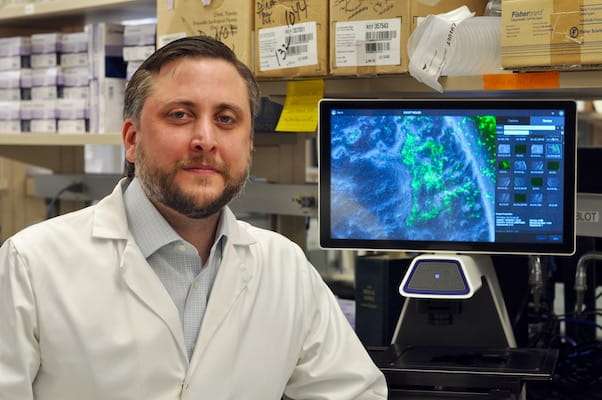
Michael Davis, PhD, RRT
Indiana University School of Medicine, Riley Hospital for Children at Indiana University Health
Dr. Davis received his BS in Biomedical Science from Lynchburg College in 2008 and his PhD in Physiology and Biophysics with a focus in airway cell biology and pulmonology from Virginia Commonwealth University in 2017. He has been a licensed Registered Respiratory Therapist since 2005.
Since 2007, Dr. Davis has studied airway pH homeostasis and non-invasive respiratory biomarkers. He has developed and optimized several breath biomarker collection devices, techniques, and assays. His graduate work focused on airway epithelial function and signaling, specifically on airway-derived Tissue Factor and its role in local wound healing. He then joined the faculty of Virginia Commonwealth University where he studied treatment options for rare airway diseases such as Plastic Bronchitis and the effects of airway pH imbalances.
His current research at IU is focused on airway pH regulation, airway disease pathophysiology and therapeutics, and novel exhaled biomarkers. He is the director of the Airway Cell Culture Core, the Primary Ciliary Dyskinesia Diagnostic Core and the Exhaled Biomarker Laboratory. He also provides respiratory medical training and service in Liberia, West Africa. He is an Associate Research Professor of Pediatrics at the Herman B Wells Center for Pediatric Research and at the IU School of Medicine Division of Pediatric Pulmonology, Allergy, and Sleep Medicine. He serves as the Chair of Exhaled Breath Aerosols and Condensate for the International Association of Breath Research.
-
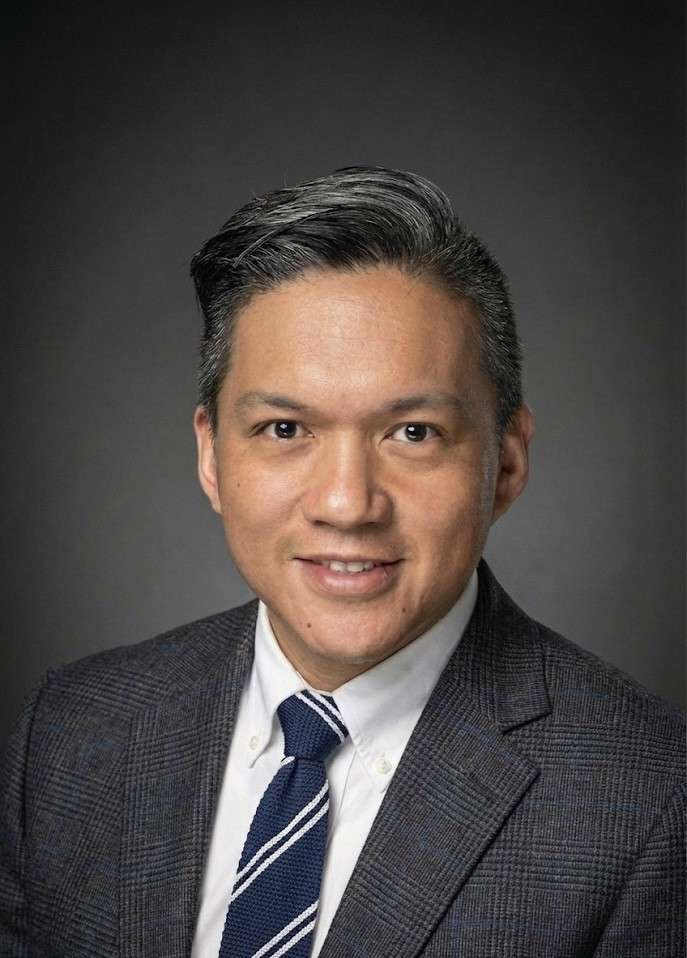
Diomel de la Cruz, MD, BS
American Board of Pediatrics , University of Florida College of Medicine
Dr. Diomel de la Cruz is an Associate Professor of Pediatrics in the Division of Neonatology at the University of Florida College of Medicine. He serves as Program Director of the Neonatal-Perinatal Medicine Fellowship and Director of the UF Neonatal Nutrition Team. He co-directs the UF Neonatology Simulation Program and is a key member of the UF Pediatrics Intestinal Rehabilitation Team. His clinical leadership spans neonatal nutrition, intestinal rehabilitation, and simulation-based education. Within the NICU, he leads quality improvement efforts focused on standardized nutrition protocols, metabolic bone disease prevention, and multidisciplinary care coordination. He also plays a central role in graduate medical education, serving on the Pediatric Fellowship Advisory Committee and the UF Graduate Medical Education Committee. Dr. de la Cruz’s research portfolio is anchored in translational science and multicenter clinical trials aimed at improving outcomes for high-risk and critically ill neonates. He has authored more than 25 peer-reviewed publications in journals including The Journal of Pediatrics, Neonatology, Scientific Reports, and Pediatric Research, and contributed chapters to key neonatal texts such as Fanaroff and Martin’s, Avery’s Neonatology, and Fetal and Neonatal Physiology. His recent scholarship addresses early feeding strategies, the effects of antibiotics on enteral tolerance, sex-specific nutritional outcomes, and disease prediction using unsupervised machine learning. He is a site co-investigator on a funded study evaluating the neonatal and pediatric SOFA scores, and a contributor to the multicenter HIP Trial published in JAMA, which examined timing of inguinal hernia repair in preterm infants. His recent work includes high-resolution illness profiling using nSOFA and VIS scores to track evolving organ dysfunction in neonates with sepsis and NEC. His studies on hourly nSOFA kinetics and predictive analytics have laid the groundwork for real-time clinical risk models in the NICU. Over the last three years, he has published extensively on necrotizing enterocolitis, parenteral nutrition-associated complications, sepsis, lipid tolerance, and intestinal disease stratification. With over 25 national abstract presentations and ongoing mentorship of residents, fellows, and junior faculty, Dr. de la Cruz continues to bridge data-driven innovation with frontline neonatal care. His work reflects a focused commitment to improving neonatal outcomes through science, systems, and education.
-
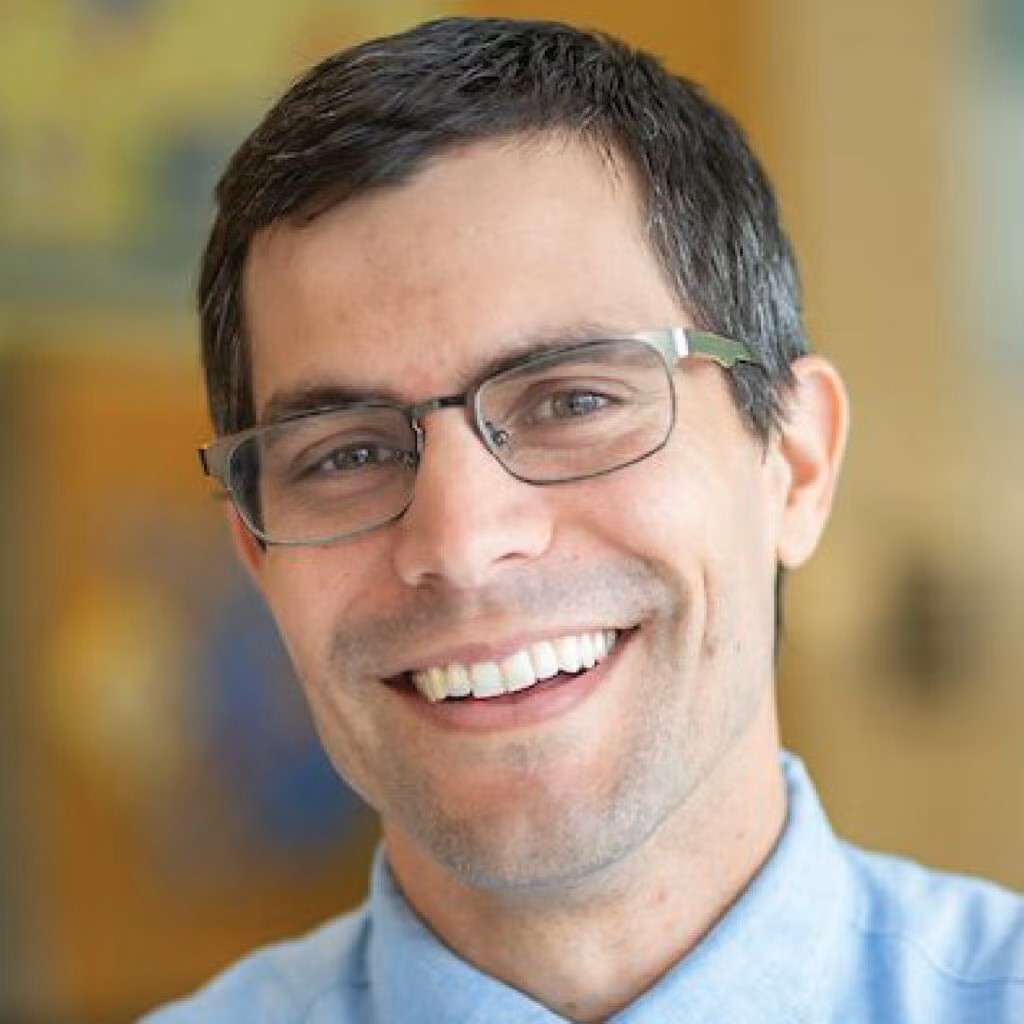
Neal deJong, MD, MPH
University of North Carolina at Chapel Hill School of Medicine
Neal deJong is a general pediatrician and health services researcher whose primary research interests are issues of communication, coordination, and integration of care that center on parents and other family caregivers and link the family-centered medical home with related service providers for children with chronic conditions. His early-career work evaluated systems of care for children with complex health needs and how these systems affect the quality of care that families perceive. Specific projects included examinations of how family experience of the medical home affects parents’ preferences for where to seek care when a child has multiple physicians, and of deficiencies in outpatient care for ambulatory care sensitive conditions prior to hospitalizations.
Dr. deJong’s current work focuses on coordinated care planning, enhanced communication, and clinical innovations for families and caregivers for children with chronic conditions, including a comparative effectiveness trial of two caregiver-training approaches to support adult transition and goal attainment for young people with ASD/DD, a feasibility study of implementing genomic screening into pediatric primary care, a randomized feasibility trial of a digital communication tool to enhance care coordination for children with inflammatory bowel disease, and a comparative effectiveness trial of hospital-to-home transition support interventions for children with special needs. Those projects highlight his growing expertise in developing and evaluating interventions that improve breadth and quality of services for children with special needs.
-
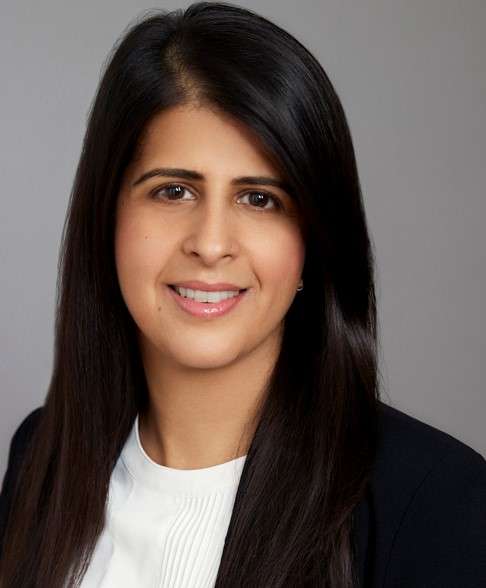
Jasbir Dhaliwal, MBBS, MSc
Children’s Hospital & Medical Center, Cincinnati Children’s
Dr. Jasbir Dhaliwal has received extensive and comprehensive clinical training across all areas of gastroenterology, hepatology, and nutrition, with advanced subspecialty expertise in Inflammatory Bowel Disease (IBD), her primary clinical focus. She has trained at several world-renowned institutions, including King’s College Hospital in London, Sydney Children’s Hospital, and The Hospital for Sick Children in Toronto. Dr. Dhaliwal’s research program is centered on harnessing diverse data sources to improve the care and management of children with IBD. Her work focuses on using predictive analytics and advanced computational methods to investigate the clinical and biological factors that drive outcomes in this complex and heterogeneous disease. In collaboration with national and international partners, her research has helped define the phenotypic spectrum of pediatric IBD, identify distinct disease subtypes, and examine ethno-racial differences in disease expression. Her funded projects integrate deep learning and machine learning approaches to analyze multi-modal data, including molecular profiles, medical imaging (such as endoscopy and histopathology), and clinical data derived from electronic health records. Dr. Dhaliwal leads an independent research laboratory supported by multiple grant awards. She currently mentors a team consisting of three research associates, a postdoctoral scholar, a PhD candidate, and an advanced IBD clinical fellow. Her role as a faculty member in the NIH-funded Gastroenterology, Hepatology, and Nutrition T32 training program further reflects her commitment to educating the next generation of physician-scientists in foundational epidemiological methods and research design.
-
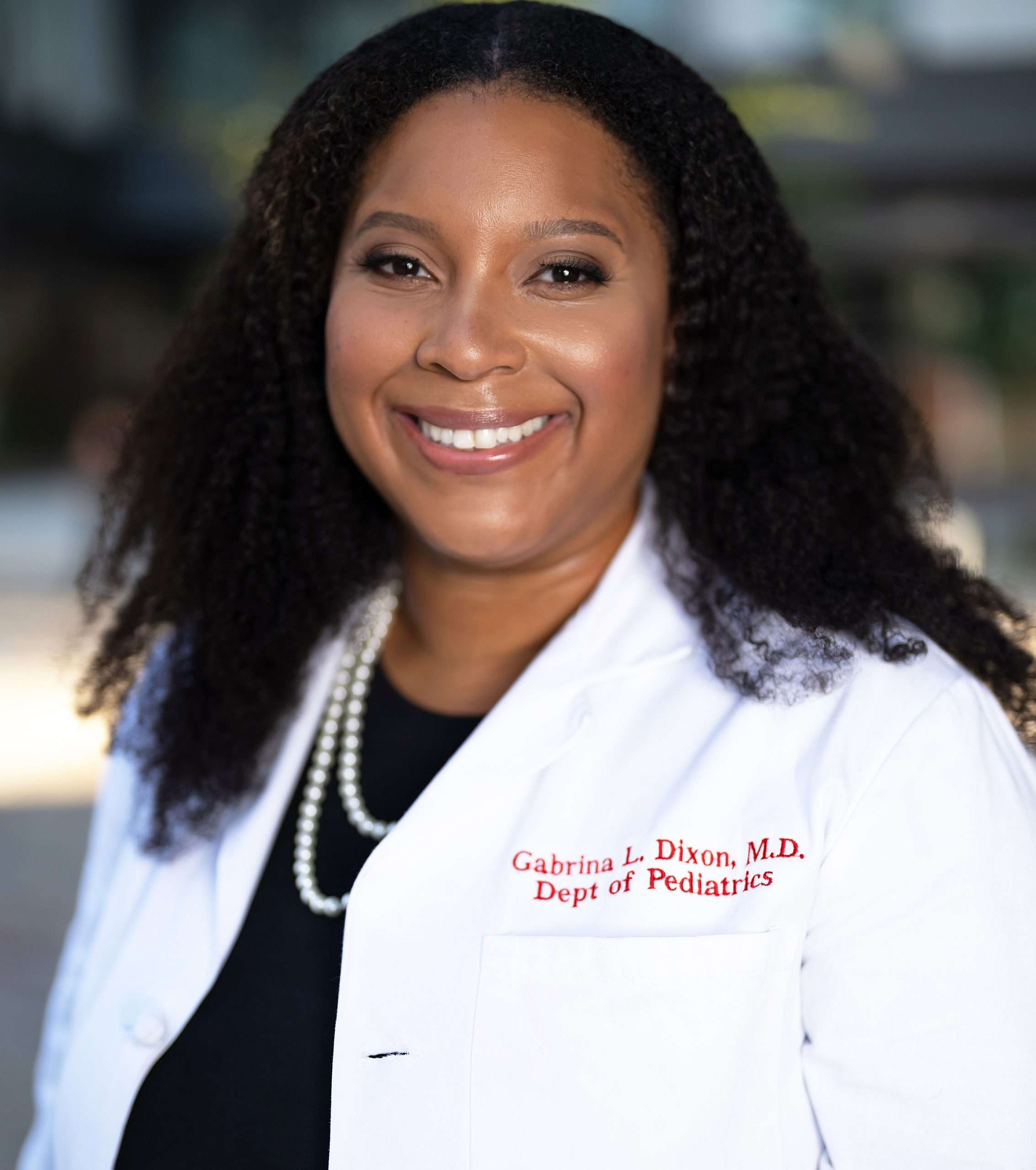
Gabrina Dixon, MD, Med
Children’s National
Dr. Gabrina Dixon is an Associate Professor of Pediatrics at the George Washington University School of Medicine and Health Science (GWSMHS) and a pediatric hospitalist at Children’s National Hospital (CNH) in Washington, DC. She is the director of Children’s National Advancing Academic Pediatrics (AdAP) program, which goal is to increase medical students to pursue a career in academic pediatrics. She has completed research locally and nationally in health equity and medical education. Her research expertise is in qualitative research through analysis of focus groups and interviews about people lived experiences in academic medicine.
-
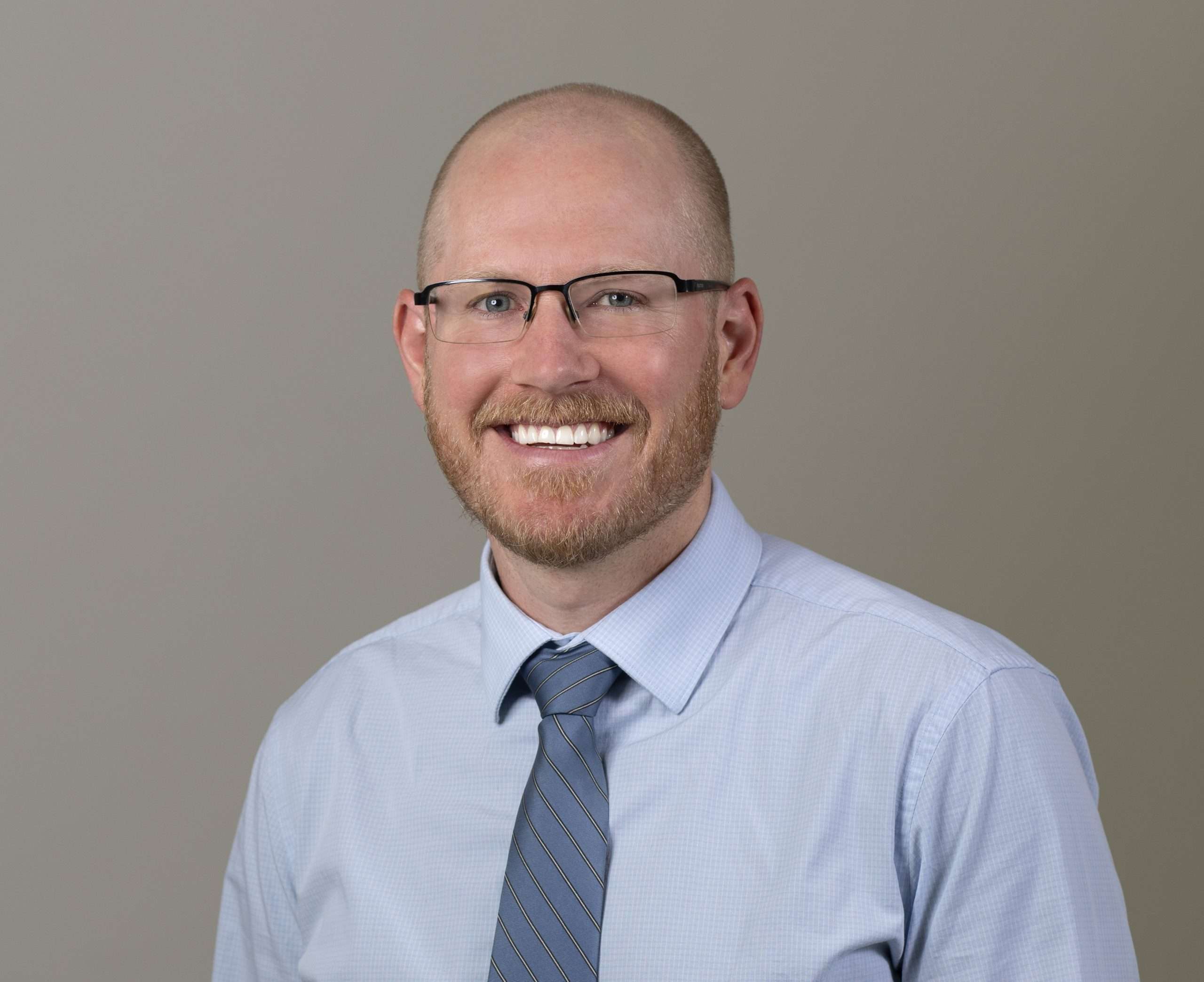
Matthew Douglass, DO
University of Utah School of Medicine
Matt Douglass, DO, is an Assistant Professor in the Division of Neonatology at the University of Utah. His clinical and research work focuses on bronchopulmonary dysplasia (BPD), BPD-associated pulmonary hypertension (BPD-PH), and cardiac remodeling in preterm infants.
Dr. Douglass is Co-Director of the Preterm Lamb Lab, where he leads basic and translational research investigating BPD, BPD-PH, and the neonatal exposures and molecular pathways that influence cardiac adaptation and function in the preterm heart. He holds the Gary M. Chan Endowed Chair in Pediatrics, co-directs the NICU Point-of-Care Ultrasound Program, and leads the multidisciplinary BPD Program at the University of Utah and Primary Children’s Hospital.
-

Vikramaditya Dumpa, MBBS, MD, MS
Arkansas Children’s Hospital , University of Arkansas for Medical Sciences College of Medicine
Dr. Dumpa is an Associate Professor of Pediatrics at the University of Arkansas for Medical Sciences and an attending Neonatologist at Arkansas Children’s Hospital. He earned his MBBS degree from Osmania Medical College in India, completed his Pediatric residency at Saint Peter’s University Hospital, NJ, and pursued his Neonatology fellowship training at the University at Buffalo, NY.
Dr. Dumpa’s research focuses on neonatal hypoglycemia and the use of dextrose gel, aiming to understand its long-term effects on neurodevelopment. He also has a strong interest in the use of caffeine and non-invasive ventilation strategies to prevent lung injury in extremely preterm infants, with a particular interest in how these approaches affect the development and severity of bronchopulmonary dysplasia.