
2026 New Members
-

Jason Boehme, MD
University of California, San Francisco, School of Medicine
Dr. Boehme is a physician scientist at the University of California San Francsico. He completed medical school at the University of Iowa Carver College of Medicine and pursued his medical training at the University of California San Francisco where he did his pediatric residency followed by fellowship training in pediatric critical care medicine. During his fellowship training he joined the UCSF Pediatric Pulmonary Vascular Biology Research Group under the mentorship of Dr.’s Jeff Fineman and Emin Maltepe, where his scientific interest focused on the pathologic biochemical mechanisms initiating early pulmonary vascular dysfunction in congenital heart disease.
His fellowship research developed around the application of metabolomic methods to study pathologic biochemical phenotypes in the pulmonary arterial and pulmonary lymphatic vascular beds, leading increasingly to investigations of mitochondrial function as a central hub of metabolic derangements in pulmonary vascular dysfunction. This led to further collaborative scientific efforts and expanded evaluations of mitochondrial physiology and cellular redox biology as mechanistic links between abnormal pulmonary vascular hemodynamics and the progression of pulmonary vascular dysfunction in congenital heart disease. His current work is guided by an overarching hypothesis that endothelial mitochondria play an important role in the integration and transmission of proximal mechanotransductive signals within the pulmonary arterial endothelium and act as key mediators of hemodynamic vascular injury.
-

Emily Brown, MD, MS
University of Washington School of Medicine, Seattle Children’s
Dr. Emily Brown, MD, MS is an Associate Professor of Pediatrics at the University of Washington School of Medicine and attending physician in child abuse pediatrics at Seattle Children’s Hospital and Harborview Medical Center in Seattle, WA. She completed her pediatric residency at Duke University Medical Center and child abuse pediatrics fellowship at the University of Washington and Seattle Children’s Hospital where she also obtained a Masters of Science in Health Services. Her primary research focus is on the impact of social policies on child maltreatment outcomes.
-
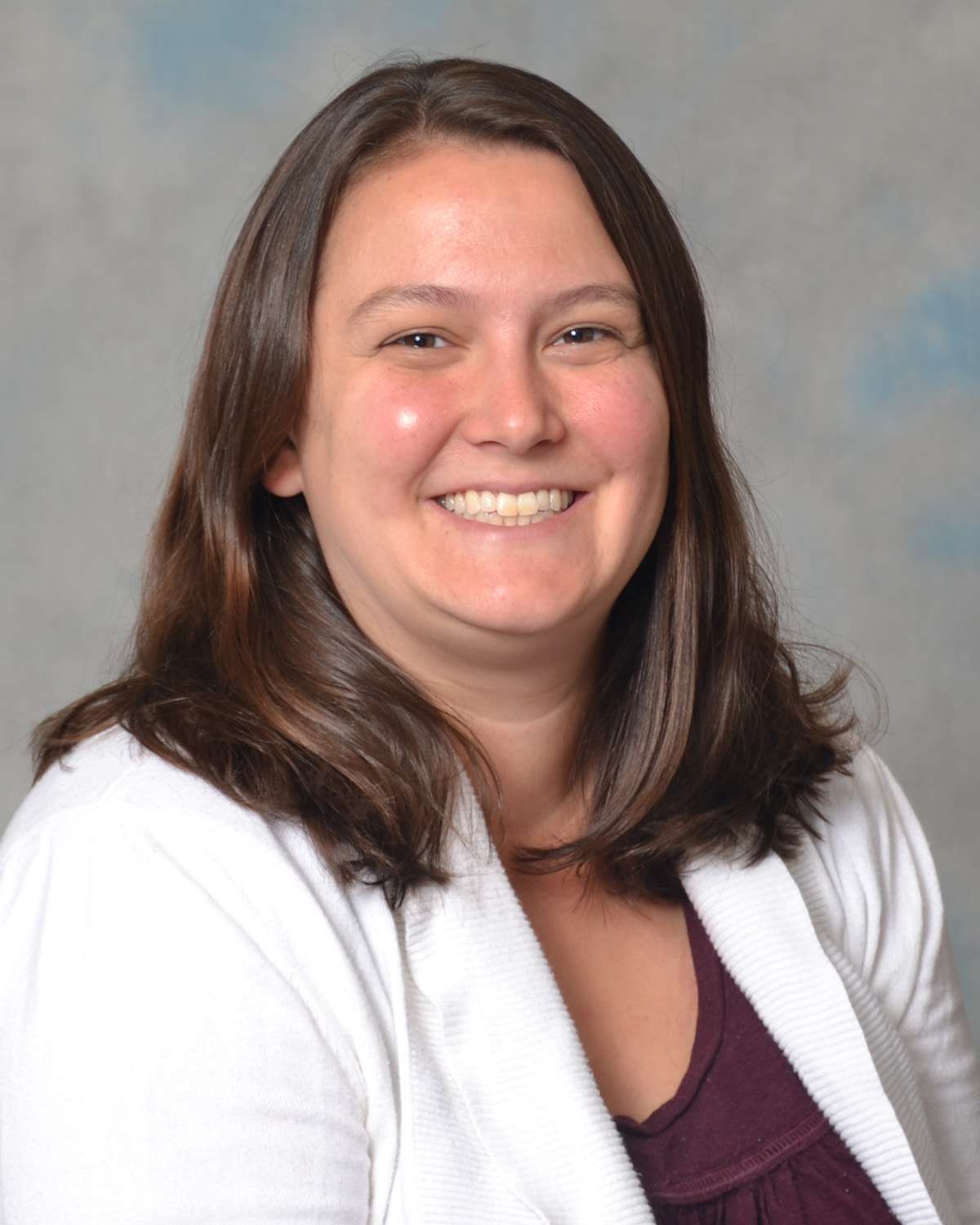
Mersine Bryan, MD, MPH
University of Washington School of Medicine, Seattle Children’s
Dr. Bryan is an Associate Professor of Pediatrics at the University of Washington/Seattle Children’s in the Division of Hospital Medicine. As a pediatric hospitalist, her primary research focus is to improve care for hospitalized children through the translation of evidence-based interventions into clinical practice using implementation science, user-centered design and quality improvement research methods.
-
Amy Bryl, MD
University of California, San Diego School of Medicine, Rady Children’s Hospital San Diego
Dr. Amy Bryl is an Associate Clinical Professor of Pediatrics at the University of California San Diego, Director of Quality for Children’s Specialists of San Diego, and Associate Division Chief-Quality for the Division of Emergency Medicine at Rady Children’s Hospital San Diego. Dr. Bryl is board certified in both pediatrics and pediatric emergency medicine. After earning her medical degree from the University of Pennsylvania, she completed residency training in pediatrics at the University of California San Francisco and fellowship training in pediatric emergency medicine at Rady Children’s and UC San Diego. She completed additional training in quality improvement science through Cincinnati Children’s Intermediate Improvement Science Series (I2S2). Dr. Bryl’s research interests include pediatric pain management, opioid stewardship, and quality improvement and implementation science research on a broad range of topics. Dr. Bryl is a member of the steering committee for the AAP’s Pediatric Acute and Critical Care Quality Network and was the implementation scientist on the recently published AAP Opioid Prescribing for Acute Pain Management in Children and Adolescents in Outpatient Settings: Clinical Practice Guideline.
-
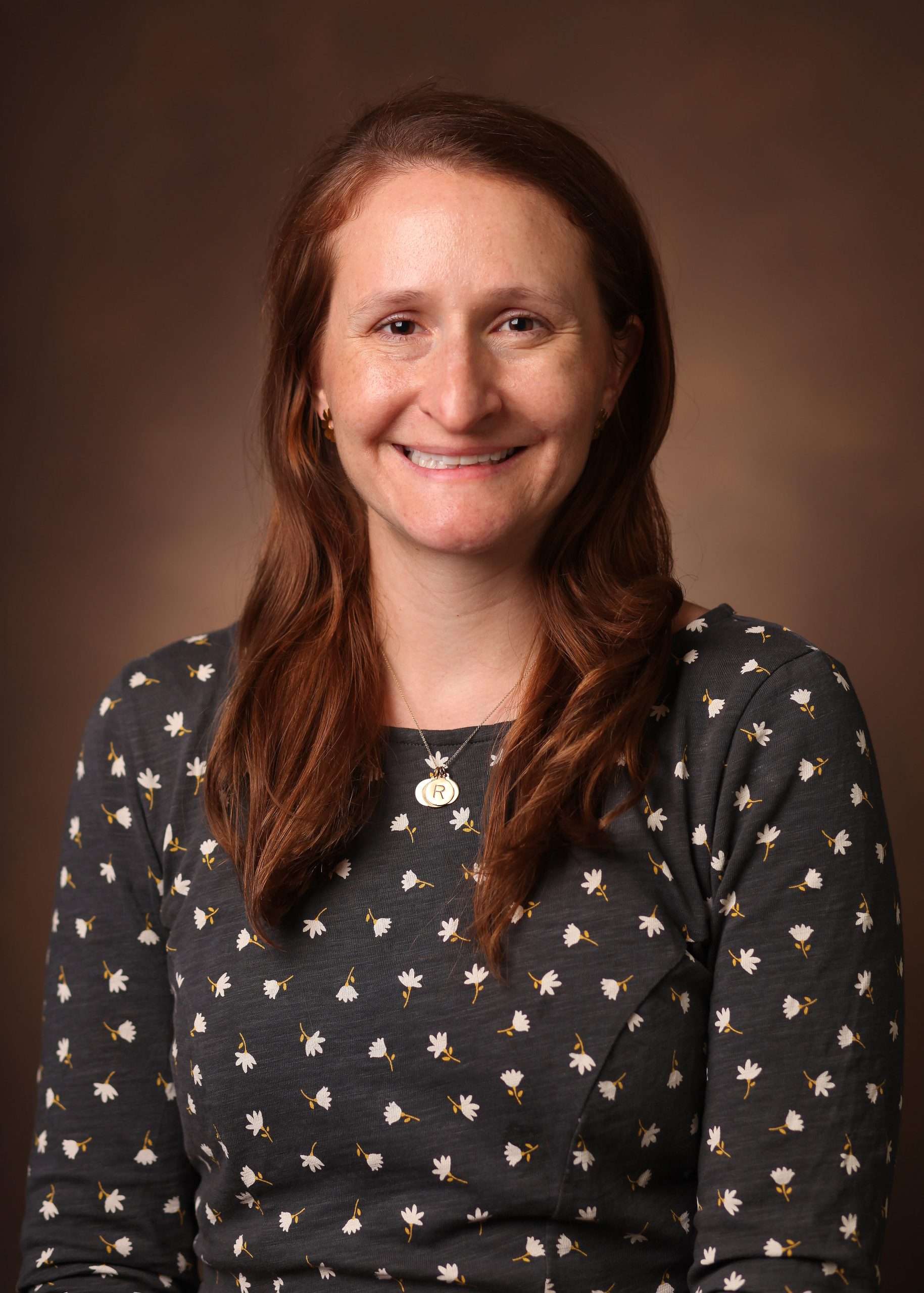
Alison Carroll, MD, MPH
Monroe Carell Jr. Children’s Hospital at Vanderbilt, Vanderbilt University Medical Center
Dr. Alison (Ali) Carroll is an Assistant Professor of Pediatrics and a physician-scientist in the Division of Hospital Medicine at the Monroe Carell Jr. Children’s Hospital at Vanderbilt and the Vanderbilt University Medical Center in Nashville, TN. She completed her pediatrics and chief residency at UNC Chapel Hill and then went on to complete a pediatric hospital medicine (PHM) fellowship at Vanderbilt. During her PHM fellowship she also obtained a Master in Public Health (MPH) and was a Postdoctoral Research Fellow in the AHRQ Vanderbilt Patient/pRactice Outcomes Research in Effectiveness and Systems Science (PROgRESS) T32 Program where she obtained training in implementation science and patient-centered outcomes research. Dr. Carroll is a health services researcher with a research program focused on testing and implementing interventions to improve care delivery and reduce outcome disparities for hospitalized children and those at risk for hospitalization. As a physician-scientist, she studies risk factors associated with healthcare utilization and uses implementation science methodologies to design, implement, and evaluate interventions to improve the hospital-to-home transition. She is currently the recipient of an institutional KL2 NIH Career Development Award and the Vanderbilt Department of Pediatrics Turner-Hazinski award. Her current work centers on the development and evaluation of an electronic health record (EHR)-enabled clinical decision support (CDS) to promote guideline-concordant, longitudinal asthma care to improve post-discharge outcomes in children hospitalized with asthma
-

Belinda Chan, MD
University of California Davis Children’s Hospital
Dr. Belinda Chan is an Associate Professor of Clinical Pediatrics at the University of California, Davis, and a board-certified neonatologist specializing in neonatal point-of-care ultrasound (POCUS), targeted neonatal echocardiography (TnECHO), and the care of preterm and high-risk infants. She earned her bachelor’s degree at the University of California, Berkeley, and completed medical school, residency, and fellowship at the University of Southern California and Children’s Hospital Los Angeles. Previously, at the University of Utah, she held leadership roles as NICU Medical Director, Associate Division Chief of Neonatology, and POCUS Program Director.
She now co-directs the POCUS and hemodynamic functional echo program at UC Davis Health and serves on the executive committee of the national POCUS Collaborative. She has published widely on point-of-care ultrasound, neonatal resuscitation, cardiopulmonary physiology, delayed cord clamping, and other topics to improve neonatal care. Dr. Chan also performs research on neonatal monitoring technologies, ultrasound-guided procedures, and surfactant delivery.
-
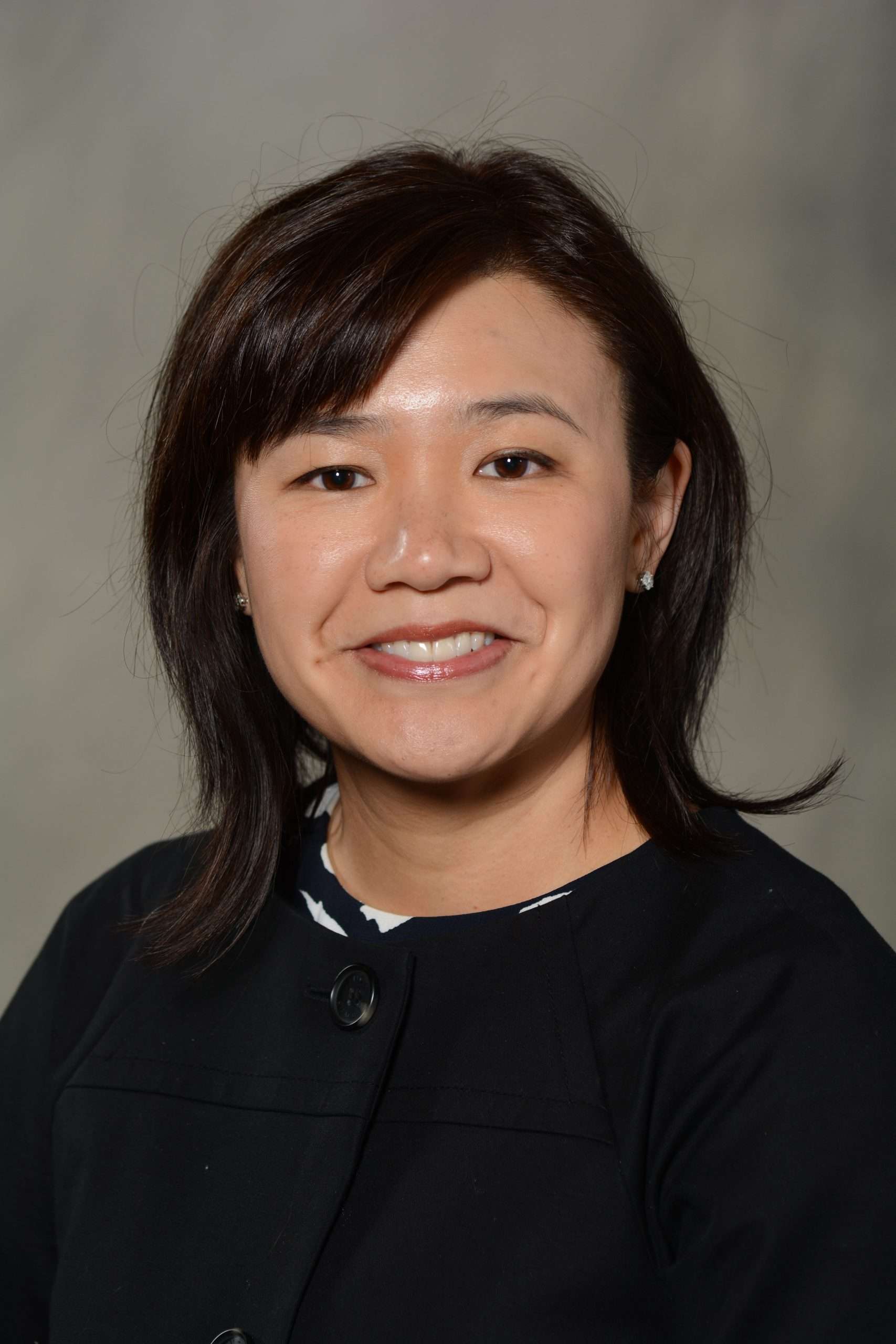
Maida Chen, MD
University of Washington School of Medicine, Seattle Children’s
Dr. Chen has devoted much of her academic career exploring the clinical manifestations, sequelae, and treatment of sleep disorders and sleep disordered breathing in children, particularly in clinical populations involving those with medical complexity. As Director of the Sleep Center at Seattle Children’s and University of Washington’s School of Medicine, she has had the ability to successfully participate in and lead collaborative research teams both within and external to her institution. Given her dedication to education and training, while many of the projects were her original design and hypotheses, the bulk of first authorship responsibilities were mostly with post-doctoral fellows or other medical trainees. The early phases of her research were specifically on those with Congenital Central Hypoventilation Syndrome (CCHS), a rare disorder of respiratory control. Work included one of the earliest reports of parent-child transmission, exploring alternative treatment modalities using phrenic nerve pacing, and alcohol use/abuse in this population. More recently this line of study has led to novel work on neurocognitive function in those with CCHS using the NIH Toolbox, leading to an important discovery of learning differences in this population.
She has since focused on the characterization and treatment of sleep disorders in a wide spectrum of children. She has participated in studies examining sleep in children with asthma and fetal alcohol exposure. She led a team in coordination with otolaryngology examining then-novel diagnostic techniques and interventions (drug-induced sleep endoscopy) which have now been widely adopted as standard care. She is part of a currently-funded multi-center NIH study looking at treatment of sleep disordered breathing in children with Down Syndrome who did not tolerate positive airway pressure. Importantly, she led a group studying the impact of positive airway pressure on children’s midface anatomy, showing that this common treatment caused significant orthognathic changes. Most currently, she is working with colleagues on the development of a broad Sleep Biobank, archiving sleep study tracings and prospectively studying clinical outcomes, patient reported outcomes, quality of life impacts, molecular correlates, novel diagnostic and analytic techniques. This data repository also includes those with a variety of rare diseases in addition to the general pediatric population.
-

Jennifer Cohen, MD
Duke University School of Medicine, Duke Children’s Hospital
Dr. Jennifer L. Cohen is an Associate Professor of Pediatrics in the Division of Medical Genetics at Duke University. Her research program focuses on advancing early identification and treatment of genetic diseases through genomic epidemiology, precision medicine, and translational therapeutics. Her work spans from population-level interventions (newborn screening implementation) to cutting-edge therapeutic development (in utero enzyme replacement therapy and gene therapy clinical trials). Dr. Cohen’s research is hypothesis-driven, centered on the premise that earlier genetic diagnosis and treatment will improve outcomes for children with genetic diseases. Her landmark work includes publication of the first successful in utero enzyme replacement therapy for infantile Pompe disease (New England Journal of Medicine), implementation of rapid genome sequencing in critically ill neonates, and publication of a treatable fetal findings gene list.
-
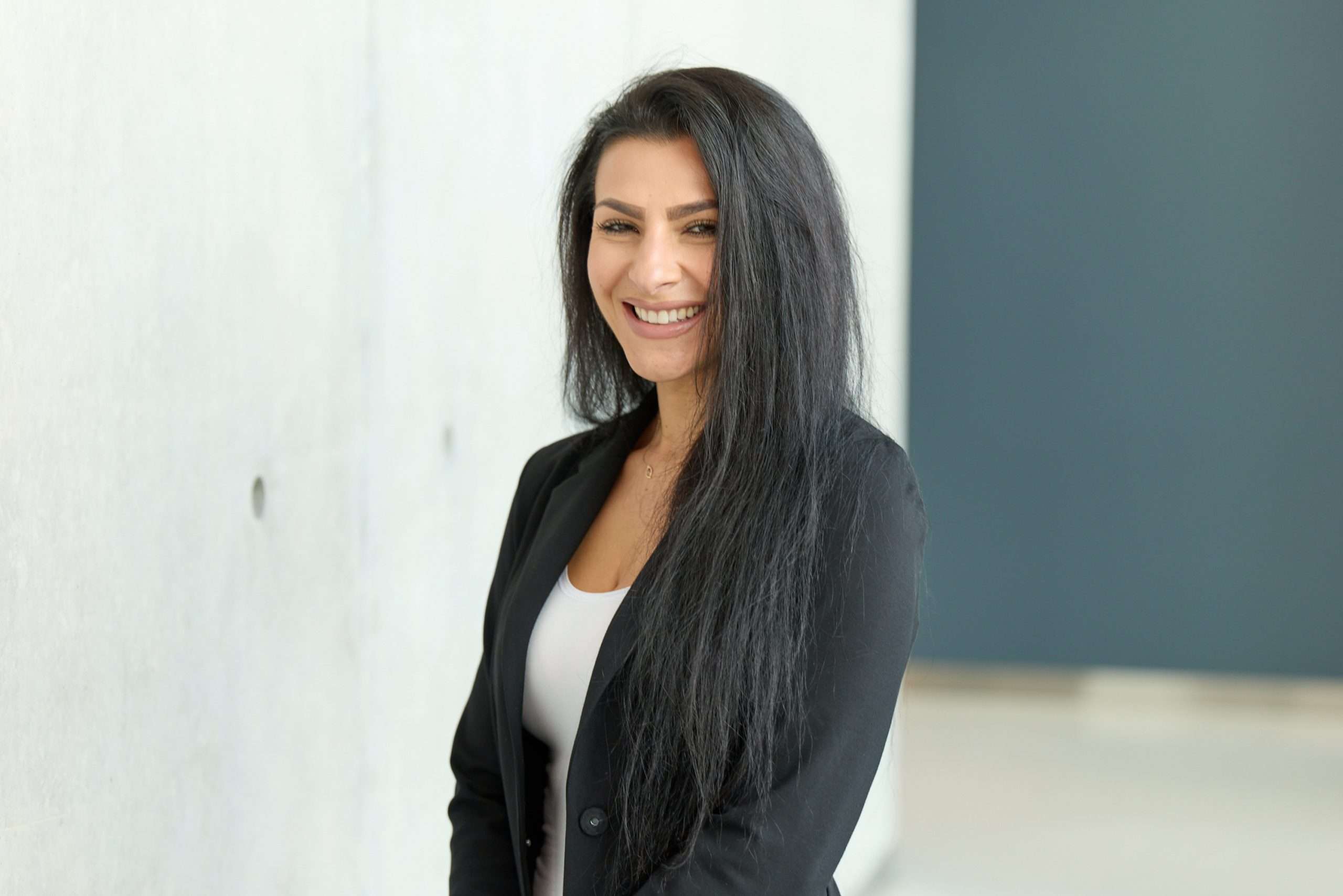
Soula Danopoulos, MS, PhD
Lundquist Institute, University of California, Los Angeles David Geffen School of Medicine
Dr. Danopoulos is an Investigator at the Lundquist Institute for Biomedical Innovation at Harbor-UCLA Medical Center and an Associate Professor of Pediatrics at the David Geffen School of Medicine at UCLA. She earned her Master’s degree from the University of Southern California (USC), where she developed a system by which to characterize mouse lung stem/progenitor cells. She went on to complete her PhD at USC/Children’s Hospital Los Angeles, with a continued focus on developmental lung biology. Her studies explored key developmental signaling pathways (FGF, Wnt, the small Rho GTPase Rac1, etc.), and their role in orchestrating many of the cellular and molecular events that influence lung development, and how they compare/differ between mouse and human. During her postdoctoral training, Dr. Danopoulos concentrated on human lung branching morphogenesis, a process critical to normal lung formation and often disrupted in congenital lung diseases such as pulmonary hypoplasia and bronchopulmonary dysplasia. Over the course of her career, Dr. Danopoulos has developed deep expertise in the molecular and cellular mechanisms of lung development, as well as the mesenchymal-epithelial interactions associated with human lung branching morphogenesis in normal lung development. She has also helped characterize the mesenchymal lineages established within the developing human lung. Currently, Dr. Danopoulos’ research program also aims to investigate the histopathological, molecular and cellular defects observed in developing Trisomy 21 (T21) lungs, and extrapolating these findings to other diseases where hypoplastic lungs are observed.