
2026 New Members
-

Tanner Wright, MD
University of South Florida, Tampa General Hospital Children’s Medical Center
Dr. Wright is a physician-scientist who works as a neonatal hospitalist and the medical director of the PEDI Clinic (Promoting Early Developmental Interventions) at Mary Lee’s House. His research is focused on improving care for infants with neonatal opioid withdrawal syndrome (NOWS) and supporting families impacted by substance use. Since completing his training, he has led and contributed to a wide range of federally funded, hypothesis-driven studies aimed at improving outcomes for maternal-infant dyads. His clinical work through the PEDI Clinic at the University of South Florida (USF)—which provides longitudinal care from pregnancy through early childhood—has been nationally recognized with the American Academy of Pediatrics (AAP) Model Practice of Excellence Award. In parallel, Dr. Wright serves as a trusted subject matter expert, having contributed to national and international panels, including the AAP’s Maternal-Infant Health and Opioid Use Learning Collaborative and the United Nations Office on Drugs and Crime for in-utero exposure to synthetic opioids. Dr. Wright has held leadership roles in several major research networks. He serves as site PI for the CDC-funded MAT-LINK surveillance project, a network for tracking data and outcomes related to opioid use disorder, polysubstance use, and infections like cytomegalovirus in pregnant people and their infants across the U.S. Since 2020, he has also contributed as site PI to the NIH-funded ACT NOW initiatives, which supports a series of clinical trials for infants with prenatal opioid exposure. His other research includes studies on the Eat, Sleep, Console model, infants with in-utero exposure to synthetic opioids, dosing protocols for NOWS, adverse childhood experiences (ACEs) in opioid-affected pregnancies, and the NIH-funded CADENCE program, which uses interactive data dashboards and data extraction to drive continuous quality improvement in maternal and infant care for families impacted by substance use. Dr. Wright has published multiple peer-reviewed studies on substance exposure in pregnancy and neonatal outcomes, reinforcing his role as a national leader in this field.
-
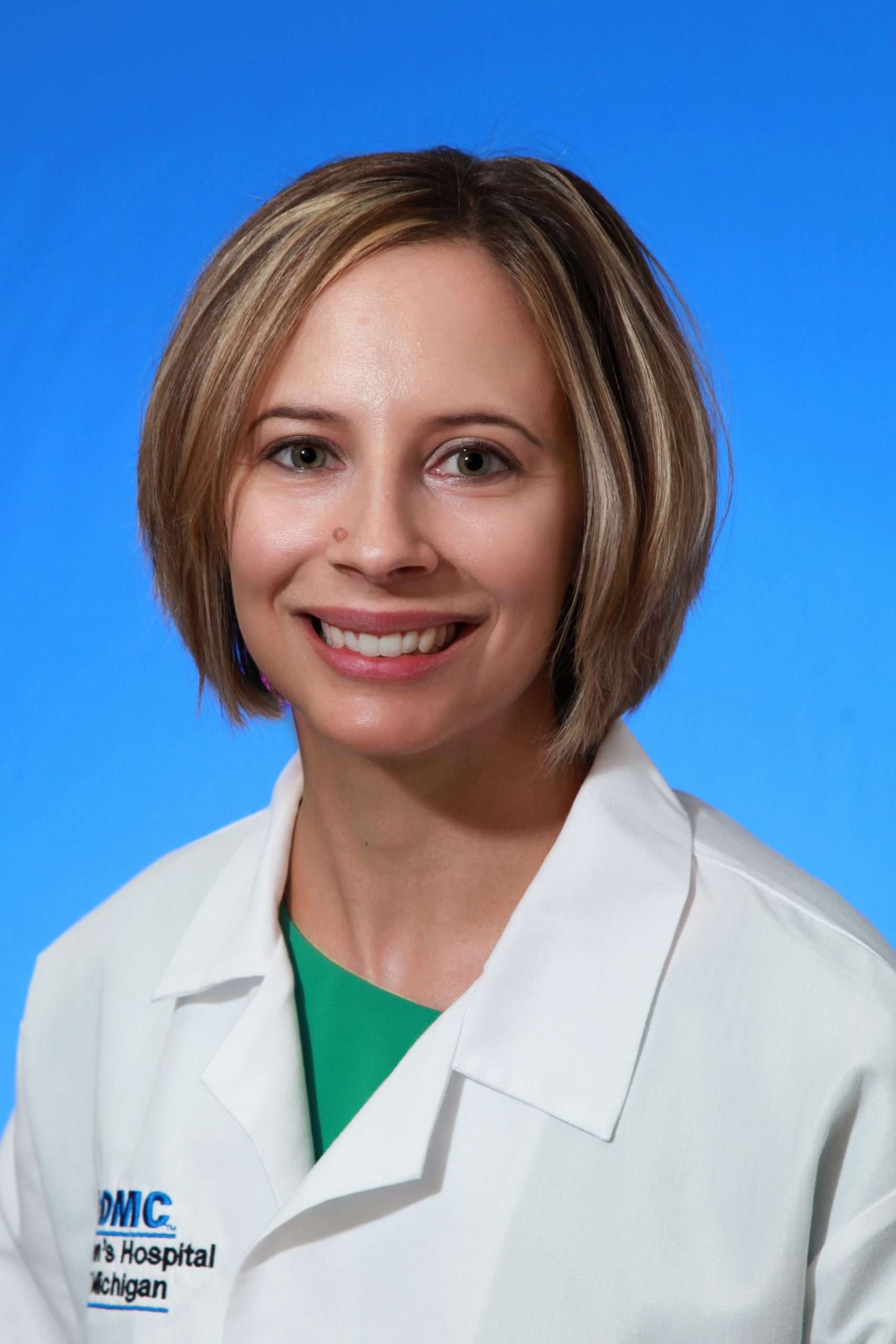
Lauren Yagiela, MD, MS
Children’s Hospital of Michigan, Central Michigan University College of Medicine
Dr. Lauren Yagiela is a pediatric critical care physician and health services researcher at the Children’s Hospital of Michigan and Central Michigan University. Her long-term research goal is to improve outcomes for children who survive critical illness by strengthening parents’ ability to help their children optimally recover. She completed her Bachelor of Arts in Biology at Kalamazoo College and attended medical school at the University of Michigan. During pediatrics residency at the Children’s Hospital of Philadelphia and pediatric critical care fellowship at Mott Children’s Hospital, she saw the crucial role of parents in child health outcomes. She completed a Master’s of Health and Healthcare Research at the University of Michigan. She became a staff intensivist at the Children’s Hospital of Michigan in 2017 and is an Associate Professor at Central Michigan University. Her current research aims to develop, test, and implement a psychosocial intervention for parents in the pediatric intensive care unit. Her work has been funded through the Pediatric Critical Care and Trauma Scientist Development K12 program and through a current K23 award, entitled “Building EMPOWER: a skill-based intervention to reduce posttraumatic stress symptoms and enhance caregiver self-efficacy in parents of critically ill children,” from the National Institute of Child Health and Human Development.
-
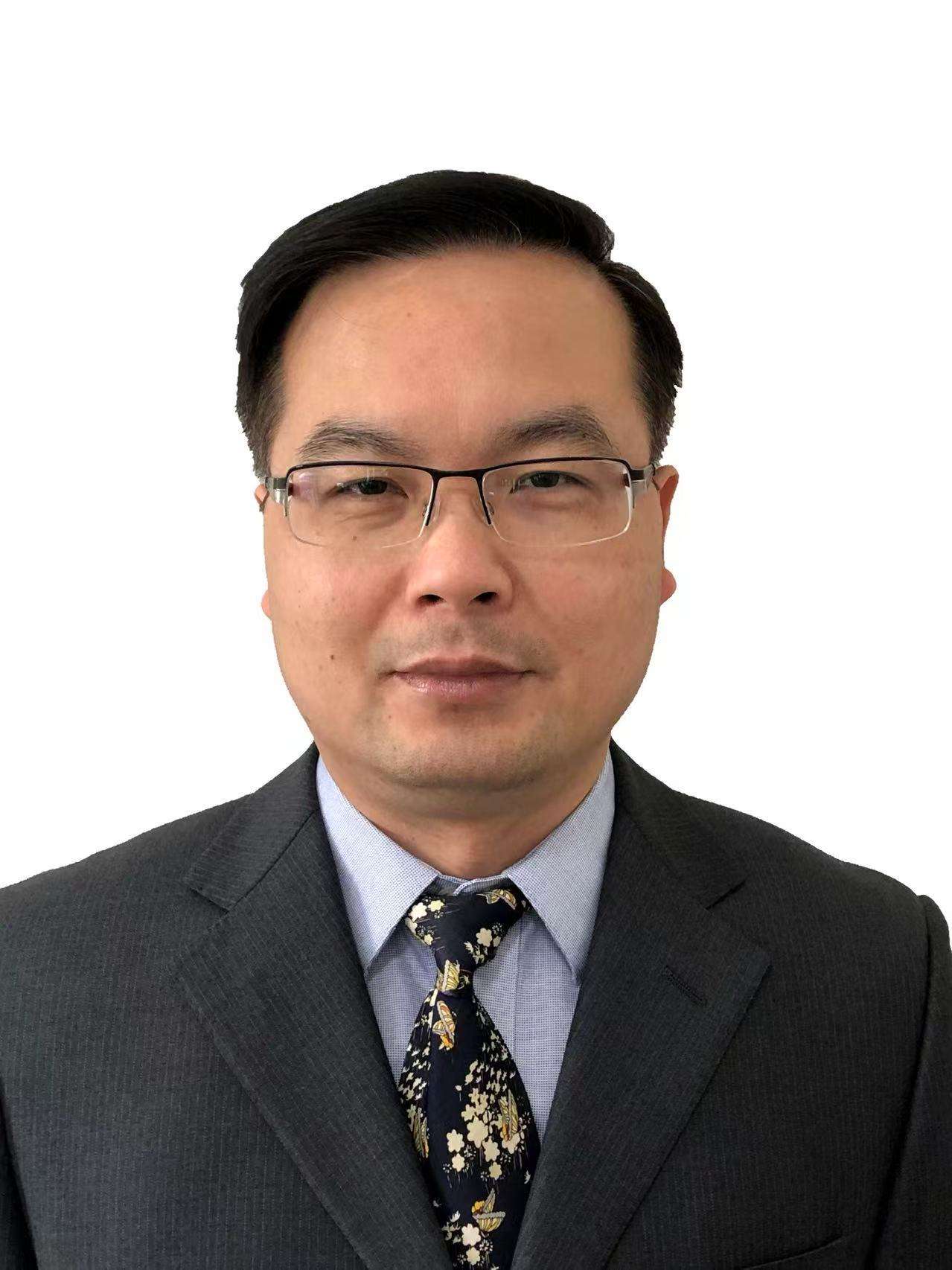
Hongwei Yao, MD, PhD
Providence VA Medical Center, Brown University
Dr. Yao is a Professor of Medicine and of Molecular Biology, Cell Biology, and Biochemistry (Research) at Brown University, and a Principal Investigator at the Providence VA Medical Center. A lung biologist by training, his research focuses on pathogenic mechanisms of bronchopulmonary dysplasia (BPD) and on identifying therapeutic targets for BPD and its associated pulmonary hypertension. His work particularly focuses on cellular senescence, mitochondrial dysfunction, and metabolic reprogramming in the context of lung injury in BPD.
Dr. Yao has authored more than 100 peer-reviewed publications, including book chapters and reviews. He has served on multiple federal grant review panels, including those of the National Institutes of Health (NIH). He is currently an Associate Editor of Respiratory Research and has served on the editorial boards of several journals, including American Journal of Physiology – Lung Cellular and Molecular Physiology, Frontiers in Bioscience – Landmark, and Physiological Reports.
-

Nahla Zaghloul, MD
University of Florida College of Medicine
Dr. Zaghloul is a Neonatologist and Associate professor of Pediatrics at the University of Florida. She is a physician-scientist with a research focus on neonatal brain injury. She is the co-director of the Neuro-NICU at Shands Children’s Hospital at the University of Florida. She is the co-director of the neuro-monitoring program in the NICU. She is the Director of the Point of Care Ultrasound (POCUS) program in the NICU. She has been selected by the Neonatal Brain Society as a member of the guideline and education committee. Her lab is focused on neurotherapeutics for hypoxic-ischemic injury of the premature, using her animal model of Hypoxia-ischemia of the immature brain. Her goal is to find therapies promoting neuro-regeneration and improving neurodevelopmental outcomes of premature infants. She is the PI and CO-PI of many clinical research studies involving hypoxic-ischemic encephalopathy. She has won several research awards. She holds research grants from national institutions.
-
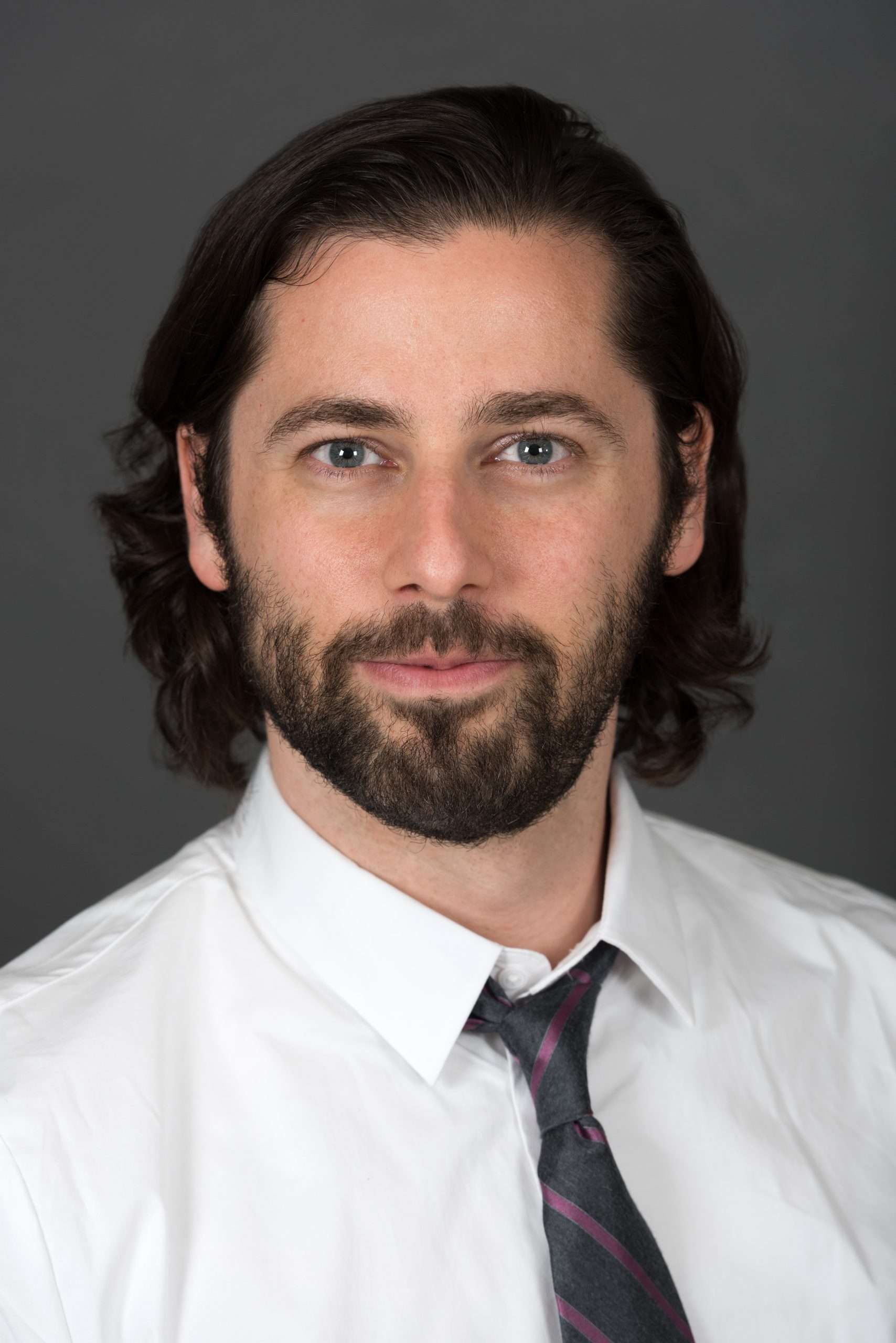
Daniel Zeve, MD, PhD
Boston Children’s Hospital, Harvard Medical School
Daniel Zeve, MD, PhD is a pediatric endocrinologist at Boston Children’s Hospital and an Instructor of Pediatrics at Harvard Medical School. He received his bachelor of science in biomedical sciences at Texas A&M University before getting his MD/PhD at UT Southwestern Medical Center at Dallas. His PhD studies were in developmental biology, focusing on adipose tissue growth and function. Dr. Zeve then did his pediatric residency training at Mount Sinai Hospital in New York City before starting his pediatric endocrinology fellowship at Boston Children’s Hospital in 2016, where he has remained since. Dr. Zeve’s current research focuses on intestinal stem cell differentiation. Using the human intestinal organoid model, Dr. Zeve uses intestinal stem cells from multiple physiological and disease states, including aging, obesity, diabetes mellitus, and cystic fibrosis, to see how different states can alter stem cell function. With this, Dr. Zeve is also the co-director of the Harvard Digestive Disease Center Human and Mouse Organoid Core. Finally, Dr. Zeve also spends time as a co-medical director at the Barton Center for Diabetes Education, helping to organize and run a summer camp for children with Type 1 diabetes mellitus.
-

Jia Zhu, MD
Boston Children’s Hospital
Dr. Jia Zhu is a pediatric endocrinologist and physician-scientist whose research integrates computational genetics with clinical investigation to understand the biological mechanisms underlying common reproductive endocrine disorders. Her work focuses on polycystic ovary syndrome (PCOS) and its associated metabolic and reproductive features across the lifespan. As a faculty member at Harvard Medical School and Boston Children’s Hospital, Dr. Zhu aims to use genetic insights to inform precision prevention and treatment strategies for complex endocrine conditions in children and adolescents. Dr. Zhu’s research has shown that polygenic risk for PCOS—although clinically defined in women—is associated with metabolic and androgenic traits in men and children, providing evidence that PCOS genetic risk factors influence systemic metabolic pathways that are independent of ovarian function. Her work has been published in leading journals and presented at national meetings, including the Endocrine Society, Pediatric Endocrine Society, and the Androgen Excess and PCOS Society. She is supported by a K08 Career Development Award and R03 Small Research Grant from the NICHD, as well as a Career Development Award from the American Heart Association. In addition to her research, Dr. Zhu is a dedicated educator and mentor. She has been recognized with multiple teaching awards from Harvard Medical School and the Boston Combined Residency Program in Pediatrics. She continues to mentor trainees in computational genetic research and is dedicated to advancing precision medicine in pediatrics through innovations in research and clinical care.