
2026 New Members
-

Beatrice Stefanescu, MBA, MD, MS
Indiana University School of Medicine
Dr. Beatrice Stefanescu, MD, MS, MBA, is an Associate Professor of Pediatrics at the Indiana University School of Medicine and the Co-Director of the NeuroNICU Program at Riley Hospital for Children at the Indiana University Health in Indianapolis, Indiana. Dr. Stefanescu graduated from the University of Medicine Timisoara, Romania and completed her Neonatal-Perinatal Medicine fellowship training at Wake Forest University in North Carolina. She earned a Master’s degree in Public Health Services and Epidemiology from Wake Forest School of Arts and Sciences and an MBA with concentration in Healthcare Administration Services from the University of Southern Indiana. Her academic interests focus on the development of tools to support the delivery of high-quality neonatal neurocritical care, initiation and oversight of research initiatives related to neonatal neurology in the NICU, and the application of quality improvement methodologies to improve long-term neurodevelopmental outcomes. Currently, Dr. Stefanescu is the site principal investigator for “A phase 2, two-stage, randomized, double-blind, placebo-controlled, multiple-ascending dose study to evaluate the safety, tolerability, pharmacokinetics, and preliminary efficacy of RLS-0071 in newborns with moderate or severe hypoxic ischemic encephalopathy undergoing therapeutic hypothermia with long-term follow-up (STAR)”, and is exploring potential new tools for the early diagnosis of cortical visual impairment in infants.
-
Matthew Taylor, MD
Cohen Children’s Medical Center, The Feinstein Institutes for Medical Research
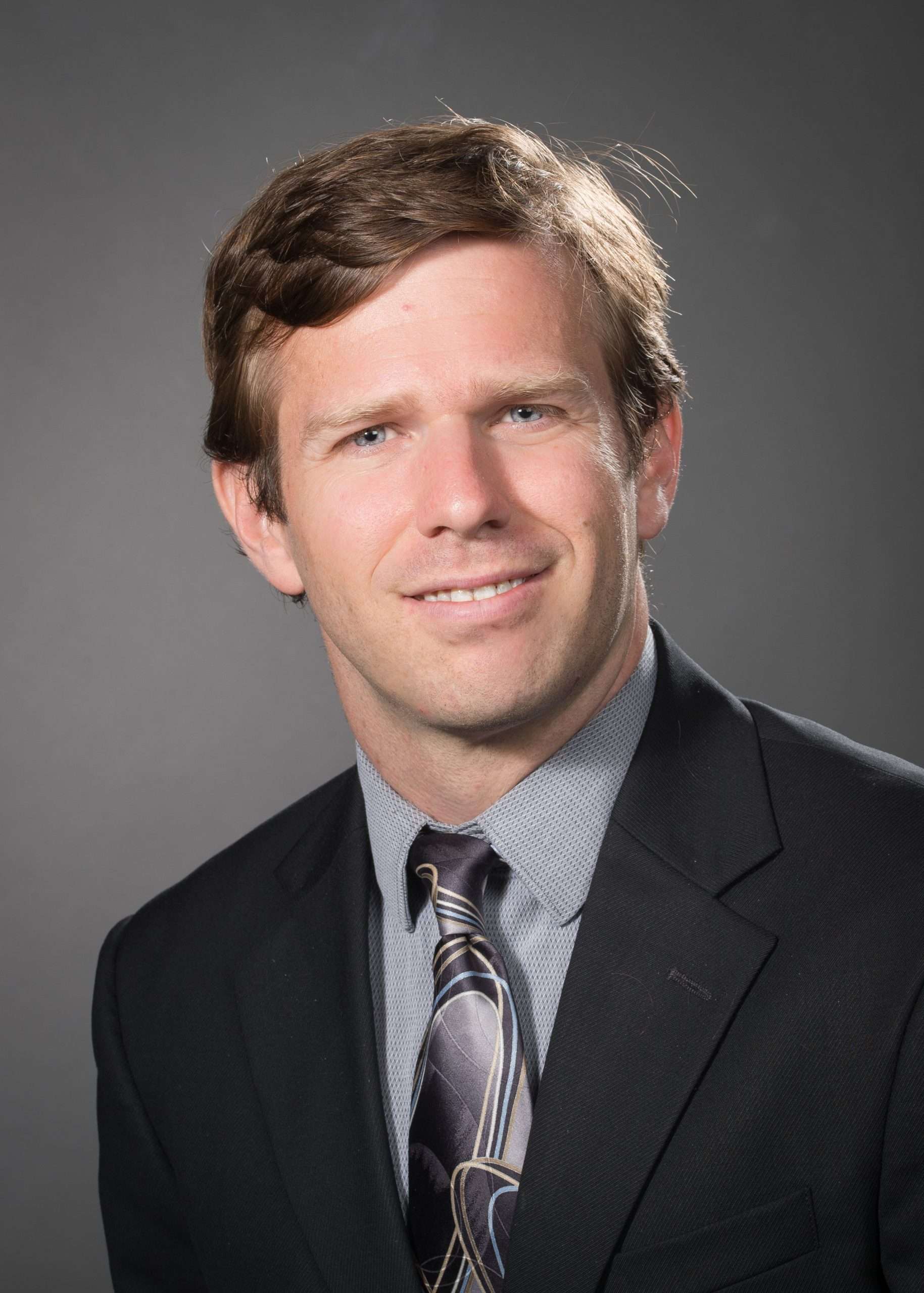
Matthew D. Taylor, MD, is an Associate Professor of Pediatrics in Critical Care Medicine at Cohen Children’s Medical Center and Assistant Professor of Molecular Medicine and the Institute for Molecular Medicine at the Feinstein Institutes for Medical Research. Dr. Taylor started his research career in medical school at the University of Pittsburgh and began focusing on the role of prior infection in modulating severe inflammation and organ dysfunction during residency and fellowship at the Children’s Hospital of Pittsburgh and the Children’s Hospital of Philadelphia respectively.
Dr. Taylor focuses on the role of T cell immune memory and T cell activation on the body’s response to severe inflammation. Through funding from an NIGMS K08 and the Thrasher Fund for Pediatric Research, Dr. Taylor has established that combined CD4 and CD8 T cell memory alter both the innate immune response and the organ dysfunction associated with the cecal ligation and puncture model of sepsis. He has an active laboratory using both murine models and human clinical samples and ongoing studies investigating how T cells and innate immune cells interact to promote ongoing inflammation and organ dysfunction in sepsis. He was recently awarded and NIGMS R35 ESI MIRA to continue work into how the sepsis-associated immune response changes as we age from the neonatal period into adulthood, how T cell interactions with the innate immune response shape sepsis-associated organ dysfunction and how the renin-angiotensin-aldosterone system alters innate and T cell responses to sepsis.
-
Christopher Thom, MD, PhD
Children’s Hospital of Philadelphia, University of Pennsylvania
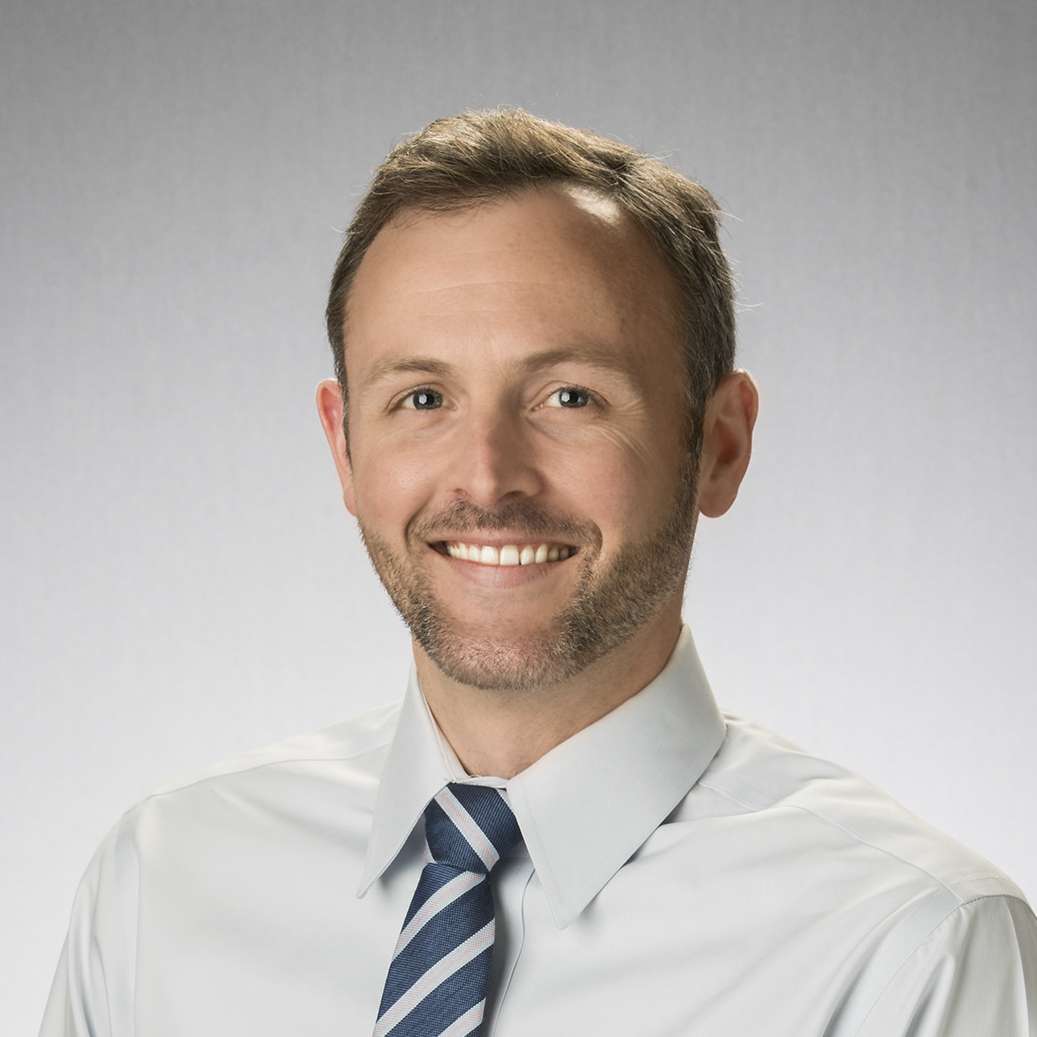
Dr. Thom is a physician-scientist engaged in clinical neonatology, related laboratory research, and teaching. His lab integrates computational data science methods with cellular and molecular approaches to better understand blood cell formation and function, with specific focus on platelet biology. Dr. Thom’s research is clinically relevant for neonatology and transfusion medicine. Current platelet transfusion practices increase morbidity and mortality in premature infants, likely current platelet supplies are inappropriate for infant patients. Relevant developmental differences in neonatal vs adult platelets are not well understood or characterized. To date, Dr. Thom’s research has aimed to define mechanisms and genes that regulate human hematopoiesis using integrated molecular and computational methods. His PhD thesis focused on TRIM58, a gene linked to altered red blood cell traits in genome-wide association studies. He showed that Trim58 facilitates degradation of the molecular motor protein dynein in late stage erythropoiesis, adapting canonical machinery to serve unique red cell physiology. These studies entailed hematopoietic cell culture, transcriptomics, and biochemical studies. Dr. Thom’s recent work on blood and platelet trait genetics utilized statistical and machine learning approaches to identify genetic elements that impact blood and platelet biology, including the TPM1 gene. Using cultured human stem cell models, he found that TPM1 normally constrains early hematopoiesis through mechanisms that could be harnessed to augment in vitro blood production. More efficient in vitro production of neonatal-type platelets may allow more appropriate care for infant patients. Indeed, his recent findings highlighted contrasts between neonatal hematopoiesis and blood formation, as well as platelet function, compared to older children and adults. These mechanisms help explain the deleterious effects of adult platelets on infants, and highlight a need to improve neonatal blood cell therapies. Dr. Thom’s current projects to better characterize neonatal platelet biology are integrating computational and molecular approaches, including interrogation of neonatal platelet functions. Data characterizing neonatal platelets are extremely limited. His major goal is to improve transfusion safety for neonates and positively impact transfusion medicine overall. This may occur through more informed advocacy for reducing platelet transfusions in preterm infants, by identifying modifiable platelet genes or protein targets to make adult platelets act more like neonatal platelets, or by creating novel laboratory-derived platelet products tailored for infants created from human stem cells. Results from this research program will enable safer transfusions for vulnerable infants.
-
Kalie Tommerdahl, MD, MS
Seattle Children’s, University of Washington School of Medicine
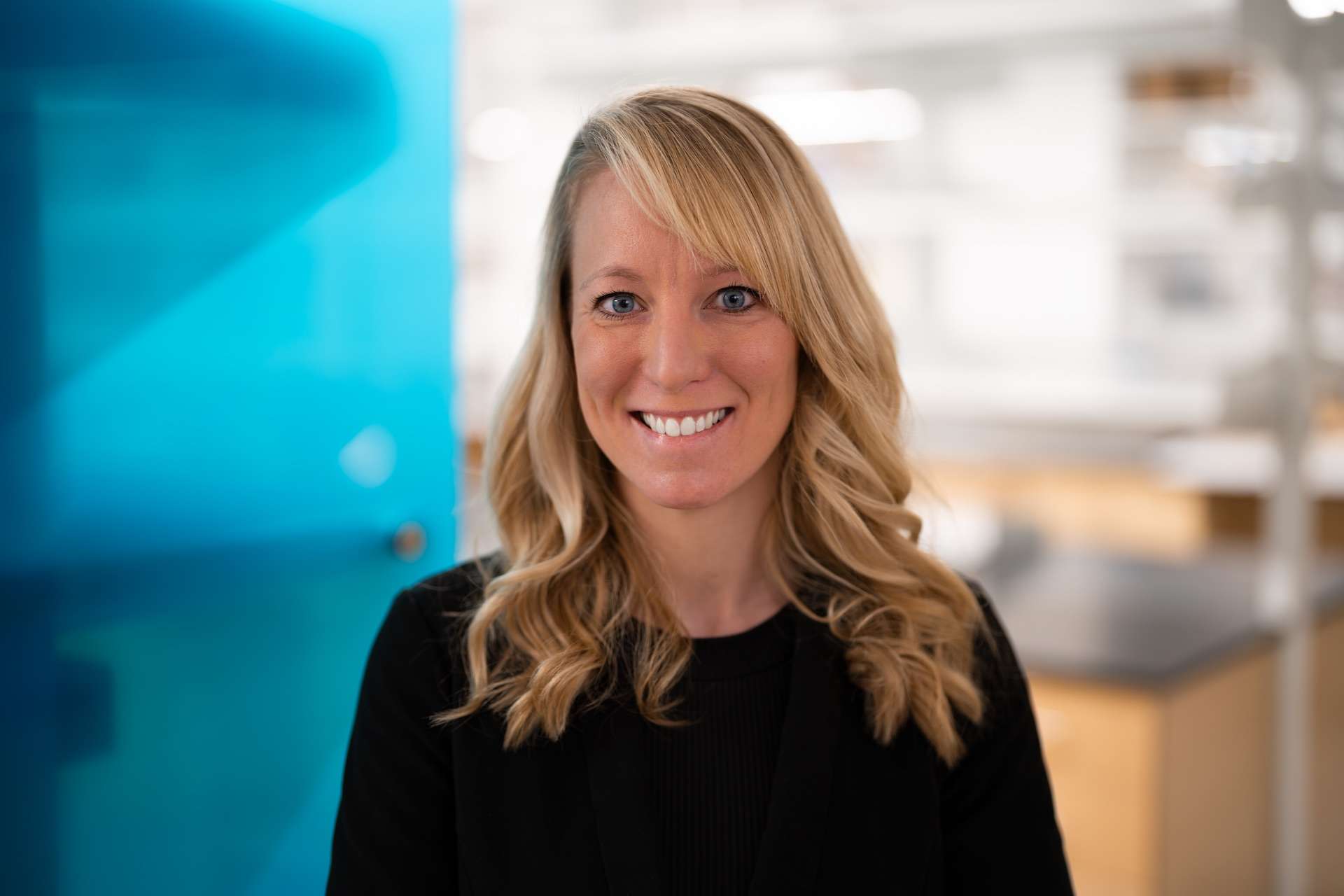
Dr. Kalie L. Tommerdahl is an Associate Professor of Pediatrics in the Division of Endocrinology and Diabetes at the University of Washington and Seattle Children’s Hospital on the Physician-Scientist track and serve as the Director of Clinical Trial Safety at the University of Washington Medicine Diabetes Institute. Her research focus lies in diabetes clinical and translational research with studies aimed at decreasing morbidity and mortality in individuals with diabetes through the reduction of early cardiac, vascular, and kidney complications, the leading causes of diabetes-related morbidity and mortality. Dr. Tommerdahl’s laboratory assesses pediatric and adult insulin sensitivity (IVGTT, hyperinsulinemic-euglycemic clamps, hyperglycemic clamps), kidney structure and function (p-aminohippurate clearance, iohexol clearance, MRI), cardiac structure and function (MRI, ECHO), vascular function (SphygmoCor, EndoPAT, ambulatory blood pressure monitoring), body composition (bioimpedance spectroscopy, bioelectrical impedance analysis, DXA), autonomic function (heart rate variability), and endothelial function (vascular endothelial cell biopsy). She currently serves as the principal investigator of the “MANATEE-T1D: Metformin ANd AutomaTEd insulin delivery system Effects on renal vascular resistance, insulin sensitivity, and cardiometabolic function in youth with Type 1 Diabetes” study sponsored by NIH/NHLBI and the “Effects of High-Resistance Inspiratory Muscle Strength Training (IMST) on Cardiorenal and Vascular Function” study sponsored by the American Diabetes Association (ADA). She is also a co-investigator of studies sponsored by the NIH/NHLBI, NIH/NIDDK, Breakthrough T1D, the Kidney Foundation of Canada, and the Canadian Institutes of Health Research (CIHR) including “T1-DISCO: Type 1 Diabetes Impacts of Semaglutide on Cardiovascular Outcomes,” “ATTEMPT: Adolescent Type 1 Diabetes Treatment with SGLT2i for Hyperglycemia and Hyperfiltration Trial,” “REMODEL-T1D: Renal mode of action of semaglutide in patients with type 1 diabetes and chronic kidney disease,” and “The Sodium Glucose Co-Transport-2 Inhibition Diabetes and Kidney Function Loss in Type 1 Diabetes (SUGARNSALT).” She remains dedicated to investigating the use of novel drugs and innovative technologies for the prevention of early cardiovascular, kidney, and metabolic complications in individuals with diabetes across the lifespan.
-

Nhu Tran, PhD
Children’s Hospital Los Angeles , University of Southern California
Dr. Nhu Tran, PhD, RN, is an Assistant Professor of Clinical Pediatrics at University of Southern California (USC) and a certified Neonatal Intensive Care Unit critical care nurse at Children’s Hospital Los Angeles (CHLA). Her integrated clinical and research program focuses on improving neurodevelopmental outcomes and addressing health inequities among high-risk neonates and infants. Dr. Tran received her PhD from University of California, Los Angeles as a Robert Wood Johnson Foundation Future of Nursing Scholar and holds BSN and MSN degrees from USC. She has secured funding from the National Institute of Nursing Research and the Robert Wood Johnson Foundation, chairs the Research Committee of the National Pediatric Nurse Scientist Collaborative, and co-directs the Southern California Clinical and Translational Sciences Institute’s Introduction to Clinical and Translational Research Study Design course. She has published in journals like Pediatric Research, presented at multiple national conferences, and has received multiple early-career awards.
Dr. Tran’s leads the Brain Development Lab at CHLA which seeks to improve health outcomes and quality of life of vulnerable pediatric patients and families. She currently examines cerebrovascular and neurodevelopmental physiology using innovative, noninvasive biomarkers such as cerebrovascular oxygenation (rcSO2), cerebral fractional tissue oxygen extraction (FTOE), and the cerebrovascular stability index (CSI)—an original metric developed by her team. CSI uses near-infrared spectroscopy during position changes to assess autoregulatory function, addressing ethical and practical gaps in traditional invasive monitoring. This approach aims to establish a rapid, bedside tool for identifying infants at increased risk for adverse neurodevelopmental outcomes, enabling earlier intervention and improved developmental trajectories. Her lab also implements a Parent Navigator Program (PNP) aimed at enhancing access to neurodevelopmental services for Latinx and underserved families. This pilot initiative informs a planned multisite randomized controlled trial focused on reducing disparities in high-risk infant follow-up and early intervention. Dr. Tran’s work seeks to elucidate mechanisms of developmental delay, develop scalable tools for early identification, and build equitable care pathways for fragile infant populations.
-
Megan Turner, MD, MPH
University of Colorado School of Medicine
Meg Turner, MD, MPH is an assistant professor of pediatrics at the University of Colorado, where her primary clinical appointment is as a neonatologist at Denver Health Medical Center. She conducts clinical research in neonatal renal function and outcomes, as well as health services research directed at improving family engagement in the NICU and addressing social needs of families during a NICU hospitalization.
-
Rachel Umoren, MBBCh, MSCR
University of Washington School of Medicine, Seattle Children’s
Dr. Rachel Umoren is a Professor of Pediatrics at the University of Washington where she is a practicing neonatologist and health services researcher in the areas of neonatal resuscitation, early newborn care and neonatal interfacility transport. Her research focuses on the evaluation of technology-based interventions, including clinical and computer-based simulations in local and global health settings. She has experience in quantitative and qualitative research methods and has overseen multi-center studies and randomized controlled trials. Dr. Umoren’s current research focus is on the evaluation of virtual simulation methods to enhance retention of neonatal resuscitation knowledge and skills in low resource settings. She is also studying the impact of telemedicine on neonatal care in the delivery room and during neonatal interfacility transport to improve neonatal mortality.
-

Brian Varisco, MD
University of Arkansas for Medical Sciences College of Medicine, Arkansas Children’s Hospital
-
Shelton Wright, MD, MS
University of Washington School of Medicine, Seattle Children’s
Dr. Wright is a pediatric critical care physician and translational investigator with a focus on the host immune response during severe infections. He is particularly interested in how the early cellular response in the lungs dictates outcomes in tropical causes of pneumonia, including pulmonary melioidosis. His long-term goal is to elucidate the early, critical interactions between host and pathogen to improve outcomes in children and adults in both global and domestic settings.