
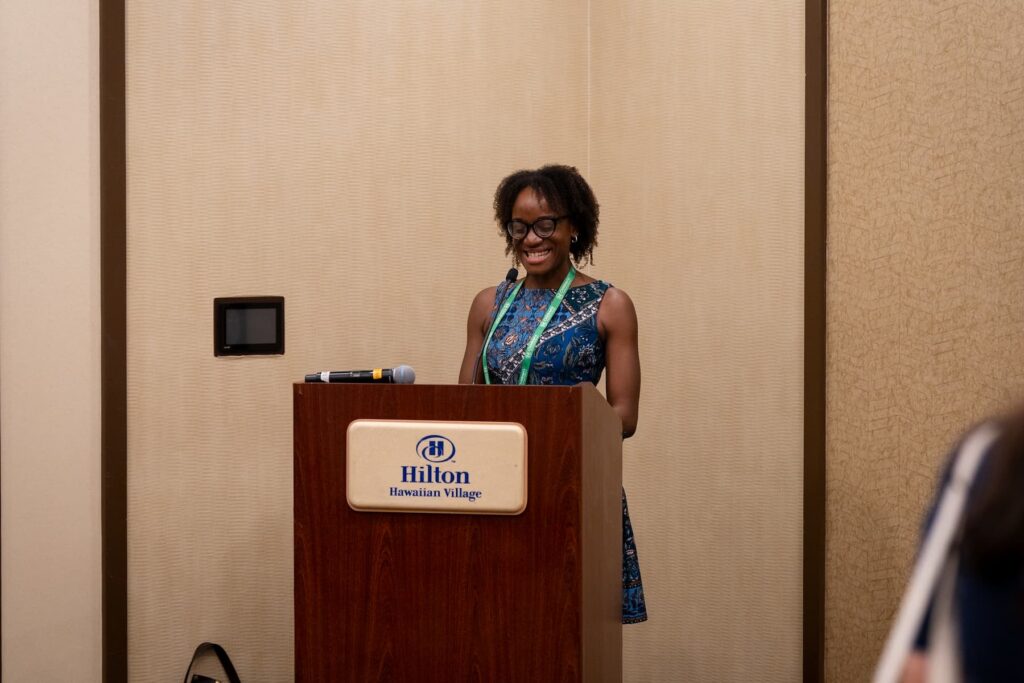
SPR Regional Research Awards
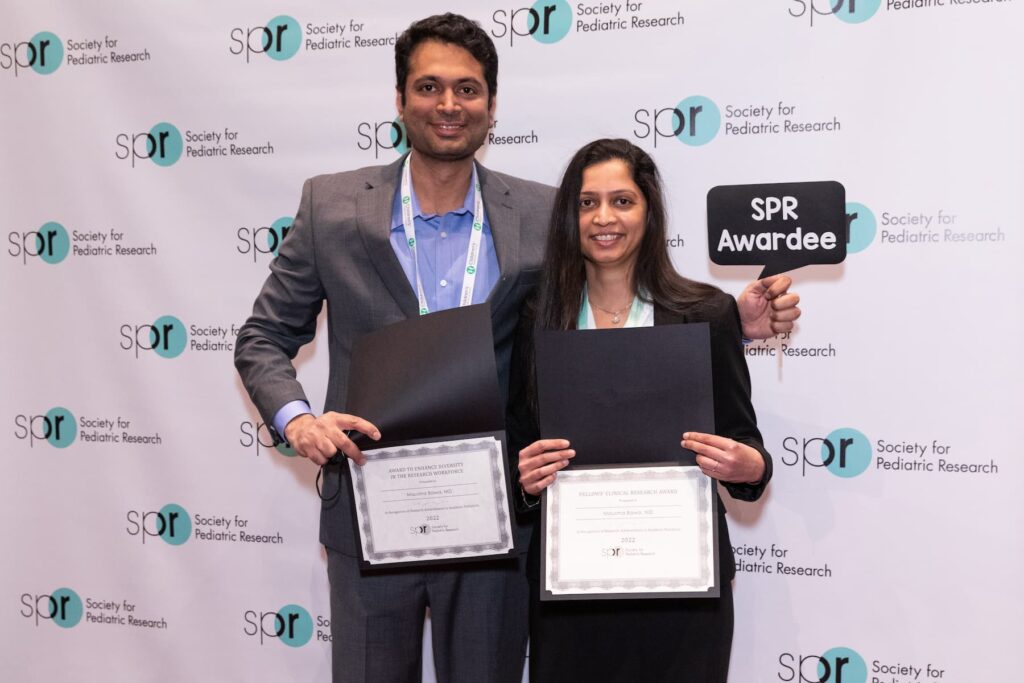
Established in 2017 by the SPR Council, the SPR Regional Research Awards recognize talented child health researchers from the SPR Regional Societies. This award provides Pediatric Academic Society (PAS) Meeting registration for two recipients from each of the SPR Regional Societies. This award was formerly called the SPR Awards to Enhance Diversity in the Workforce.
Submission Deadline: March 1
Nominations must be submitted by SPR Regional Society Leadership
Nomination Requirements
Current Recipients
Dr. Thom is a physician-scientist engaged in clinical neonatology, related laboratory research, and teaching. His lab integrates computational data science methods with cellular and molecular approaches to better understand blood cell formation and function, with specific focus on platelet biology. Dr. Thom’s research is clinically relevant for neonatology and transfusion medicine. Current platelet transfusion practices increase morbidity and mortality in premature infants, likely current platelet supplies are inappropriate for infant patients. Relevant developmental differences in neonatal vs adult platelets are not well understood or characterized.
To date, Dr. Thom’s research has aimed to define mechanisms and genes that regulate human hematopoiesis using integrated molecular and computational methods. His PhD thesis focused on TRIM58, a gene linked to altered red blood cell traits in genome-wide association studies. He showed that Trim58 facilitates degradation of the molecular motor protein dynein in late stage erythropoiesis, adapting canonical machinery to serve unique red cell physiology. These studies entailed hematopoietic cell culture, transcriptomics, and biochemical studies. Dr. Thom’s recent work on blood and platelet trait genetics utilized statistical and machine learning approaches to identify genetic elements that impact blood and platelet biology, including the TPM1 gene. Using cultured human stem cell models, he found that TPM1 normally constrains early hematopoiesis through mechanisms that could be harnessed to augment in vitro blood production. More efficient in vitro production of neonatal-type platelets may allow more appropriate care for infant patients. Indeed, his recent findings highlighted contrasts between neonatal hematopoiesis and blood formation, as well as platelet function, compared to older children and adults. These mechanisms help explain the deleterious effects of adult platelets on infants, and highlight a need to improve neonatal blood cell therapies. Dr. Thom’s current projects to better characterize neonatal platelet biology are integrating computational and molecular approaches, including interrogation of neonatal platelet functions. Data characterizing neonatal platelets are extremely limited. His major goal is to improve transfusion safety for neonates and positively impact transfusion medicine overall. This may occur through more informed advocacy for reducing platelet transfusions in preterm infants, by identifying modifiable platelet genes or protein targets to make adult platelets act more like neonatal platelets, or by creating novel laboratory-derived platelet products tailored for infants created from human stem cells. Results from this research program will enable safer transfusions for vulnerable infants.

Christopher Thom, MD, PhD
Children’s Hospital of Philadelphia, University of Pennsylvania
Rolf Dale Bates, a PhD student at the University of Pennsylvania, investigates the molecular mechanisms driving adverse outcomes in the NICU following adult platelet transfusions. Using mass spectrometry to map proteomic and phosphoproteomic profiles, his research demonstrates that developmentally regulated Protein Kinase C (PRKC) signaling drives the hyper-reactivity found in adult platelets. Furthermore, he identifies Reticulon 1 (RTN1) as a highly enriched, PRKC-targeted membrane protein that mediates enhanced platelet degranulation. By targeting PRKC and/or RTN1, this work provides a promising framework for designing tailored platelet transfusion products to improve clinical outcomes for vulnerable neonates.

Rolf Dale Bates, BS
University of Pennsylvania
Disruptions in iron metabolism are a hallmark of chronic kidney disease (CKD). Iron plays a critical role in brain functions, such as neurotransmission and myelination, and accumulation of intracellular iron can damage vulnerable tissues, such as the brain. Catalytic iron accumulation can lead to iron-mediated oxidative damage and subsequent neuroinjury. Emily’s research focuses on how changes in iron metabolism affect neurodevelopmental and cognitive outcomes in children and young adults with CKD. She completed her PhD in Biomedical Science and a T32 Fellowship in Nephrology. She is currently a T32 Fellow in Psychiatry.
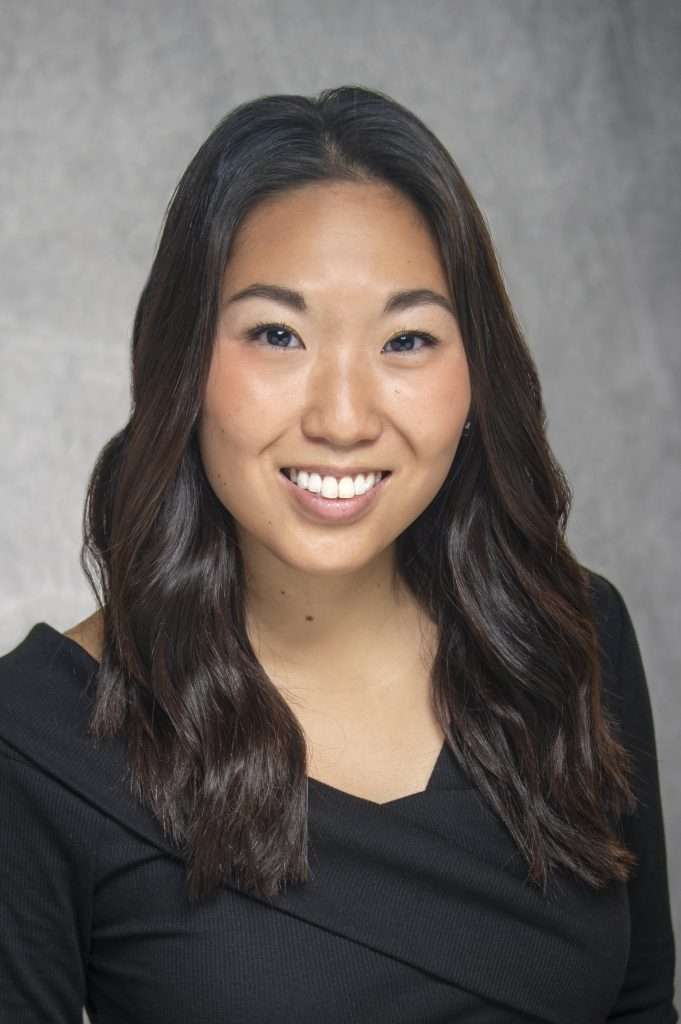
Emily Steinbach, PhD
University of Iowa Health Care
My name is Navya Katragadda and I am a PGY2 Resident from Valley Children’s Healthcare. I was interested in participating in this research study as with advancements in medicine, we are able to provide medical care to a larger population of periviable neonates. Working with complex care medical children who have a history of extreme prematurity has been very eye opening. Through this study, we concluded that identifying factors that contribute to mortality in this vulnerable population of periviable patients we can help researchers guide early interventions and optimize the timing of various life-saving procedures. These conclusions can have policy implications, target public health initiatives, and help provide equitable healthcare access. Our study emphasizes the ethical implications of managing births at the edge of viability and highlights the importance of implementing evidence-based practices that can guide compassionate decision-making in neonatal care.

Navya Katragadda, DO, MBA
Valley Children’s Healthcare
Dr. Maria Estefania Barbian, M.D., is an Assistant Professor of Pediatrics within the Division of Neonatology at Emory University and Children’s Healthcare of Atlanta. Dr. Barbian investigates the role of maternal microbial metabolites on neonatal intestinal health with the goal of developing novel approaches to prevent necrotizing enterocolitis.
Dr. Barbian received her medical degree from Michigan State University and trained in Pediatrics at Levine Children’s Hospital, where she was also a Chief Resident. Dr. Barbian completed her Neonatology fellowship at Emory University in July 2020. During her Neonatology fellowship, Dr. Barbian investigated the role of the antenatal butyrate supplementation on intestinal health by employing mouse models of intestinal injury. Dr. Barbian has expanded this work to investigate how maternal microbial metabolites in pregnancy influence human milk composition and neonatal intestinal health using in vivo and in vitro models of necrotizing enterocolitis. Dr. Barbian’s K08 application (NIDDK) received a score of 27 and has been resubmitted to NICHD.
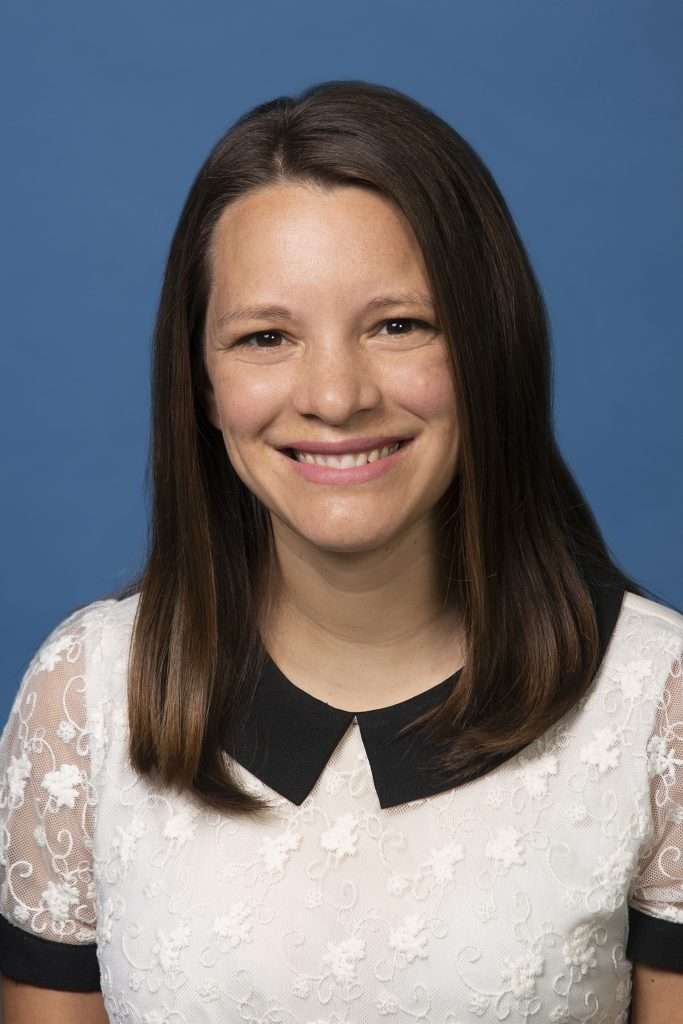
Maria Barbian, MD
Emory University School of Medicine and Children’s Healthcare of Atlanta
I am a senior neonatology fellow and focused my current research on advancing the understanding of neonatal skin development, particularly in preterm infants. My work centers on the physiology and maturation of the skin barrier, with an emphasis on transepidermal water loss (TEWL), hydration, and environmental influences in the neonatal intensive care setting. Through quantitative analysis and clinical research, I aim to better characterize how skin function evolves over time and varies across anatomical sites and gestational ages. My contributions include the development and application of innovative measurement approaches to assess skin barrier integrity, as well as the use of multivariable and mixed-effects modeling to better understand the complex relationships between gestational age, environmental conditions, and skin development. This work has helped identify patterns of skin maturation and variability that can inform more precise and developmentally appropriate care strategies for vulnerable infants. Ultimately, my goal is to translate research findings into improved clinical practices that enhance skin protection, reduce complications, and support overall outcomes for preterm and critically ill neonates.

Caitlin Stoll, DO
McGovern Medical School at UTHealth Houston
This single-center retrospective cohort study evaluated outcomes of surfactant administration via laryngeal or supraglottic airways (SALSA) in neonates with respiratory distress syndrome (RDS), with a focus on identifying predictors of progression to mechanical ventilation. Among 40 infants treated between September 2023 and July 2025, 15% required subsequent intubation. Baseline characteristics such as gestational age, birth weight, timing of intervention, and procedural details did not differ significantly between those who did and did not require escalation of care. However, differences emerged in clinical status and outcomes. Infants who required intubation had higher respiratory support needs prior to SALSA, had smaller laryngeal mask size, and received lower surfactant volumes, which reflect smaller infant size and weight. Post-procedure, they demonstrated higher oxygen requirements at 24 hours, were more likely to require repeat surfactant dosing, and experienced longer hospitalizations and higher rates of pneumothorax. Among the 20% of infants requiring a second surfactant dose, half ultimately required mechanical ventilation, underscoring a subgroup at particularly high risk for escalation. Overall, the findings support SALSA as an effective non-invasive surfactant delivery method for most neonates but highlight key clinical markers—such as pre-procedure respiratory support, infant size, and early oxygen needs—that may predict mechanical ventilation. These results suggest opportunities to refine patient selection and optimize technique, though larger studies are needed to validate these predictors and guide best practices.

Jamie Klapp, MD
UC San Diego and Rady Children’s Hospital San Diego
Dr. Patrick Zacharias is a second year neonatology fellow at Los Angeles General Medical Center/USC with a focused interest in neonatal cardiovascular physiology and the impact of maternal conditions on fetal and neonatal outcomes. His work aims to improve early identification and management of at-risk neonates through advanced imaging and evidence-based clinical approaches. Dr. Zacharias is being recognized for his research examining echocardiographic differences in ventricular structure and function among infants of diabetic mothers, with a specific focus on preterm populations. In this study, he identified that moderate to late preterm infants exposed to maternal diabetes demonstrate increased left ventricular mass and wall thickness compared to their term counterparts, despite similar measures of systolic function. His findings also highlight an association between these structural changes and higher maternal HbA1c levels, particularly in the setting of type 2 diabetes. This work contributes to a growing understanding of how prematurity may modify the cardiovascular effects of maternal diabetes and underscores the importance of early cardiac evaluation in this vulnerable population. Dr. Zacharias’ research supports the need for further investigation into risk stratification and targeted monitoring strategies to optimize outcomes for infants of diabetic mothers.
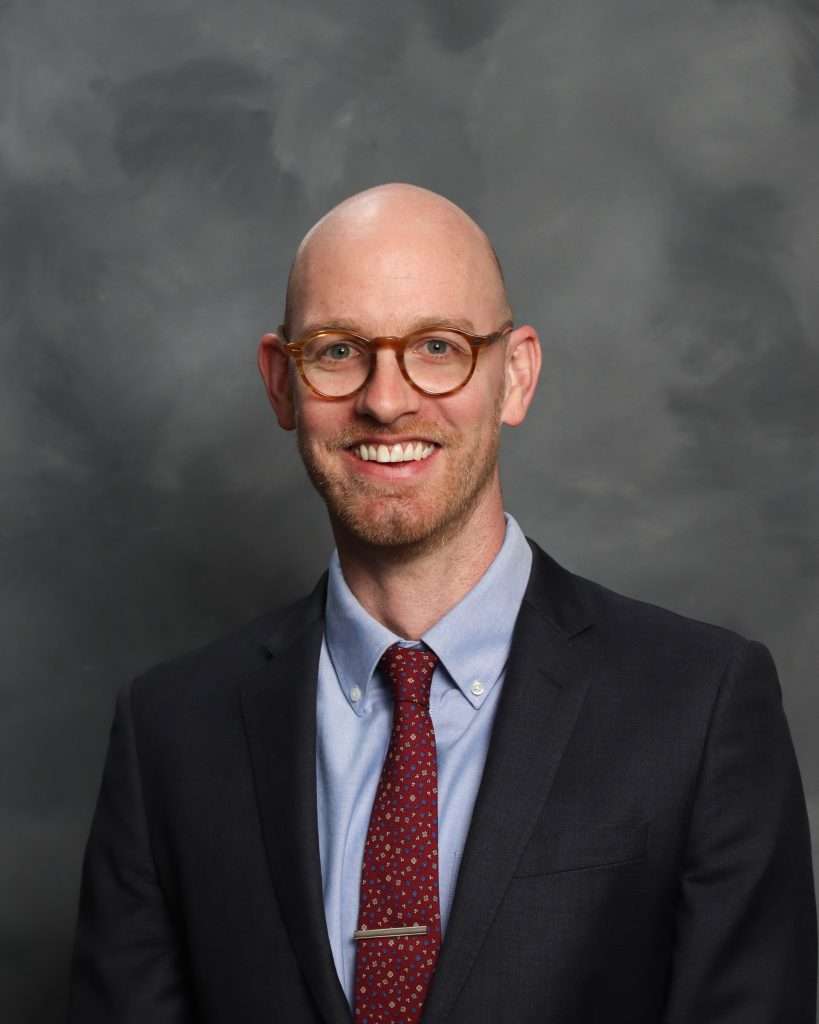
Patrick Zacharias, MD
Los Angeles General Medical Center/USC