APS SPR Journeys & Frontiers in Pediatric Research
Now in its sixth year, the American Pediatric Society & Society for Pediatric Research® Journeys & Frontiers in Pediatric Research Program is a transformative career development initiative that empowers early-career investigators to advance the future of pediatric medicine. Investigators in the US and Canada are nominated by their Department Chairs to join the prestigious program. To date, over 500 investigators have participated in the program. Nominations open in September.
2025-2026 Journeys Sessions
Participants join small cohort groups that meet virtually for eight 1-hour sessions. Each cohort is led by two distinguished leaders in academic pediatrics, many of whom are APS and SPR members.
During the sessions, participants:
- Share authentic and inspiring career stories
- Provide research feedback
- Facilitate meaningful networking and discussions with established cohort leaders
All time listed in Central Time (CT), except for Mini-Gordon Conference
Friday, November 14, 2025
- 10:00 – 11:00 am: Opening Plenary
Expanding Your Leadership Toolbox – Lessons from the Business World - 11:00-11:30 am: Cohort Breakout Discussions, Robin Steinhorn, MD
One-hour session between 10:00 am – 12:00 pm
- Friday, December 12, 2025
- Friday, January 9, 2026
- Friday, February 13, 2026
- Friday, March 13, 2026
- Friday, April 10, 2026
Cohorts will join in a high-energy Mini-Gordon Conference at the Pediatric Academic Societies (PAS) 2026 Meeting, bringing everyone together for collaboration, innovation, and connection.
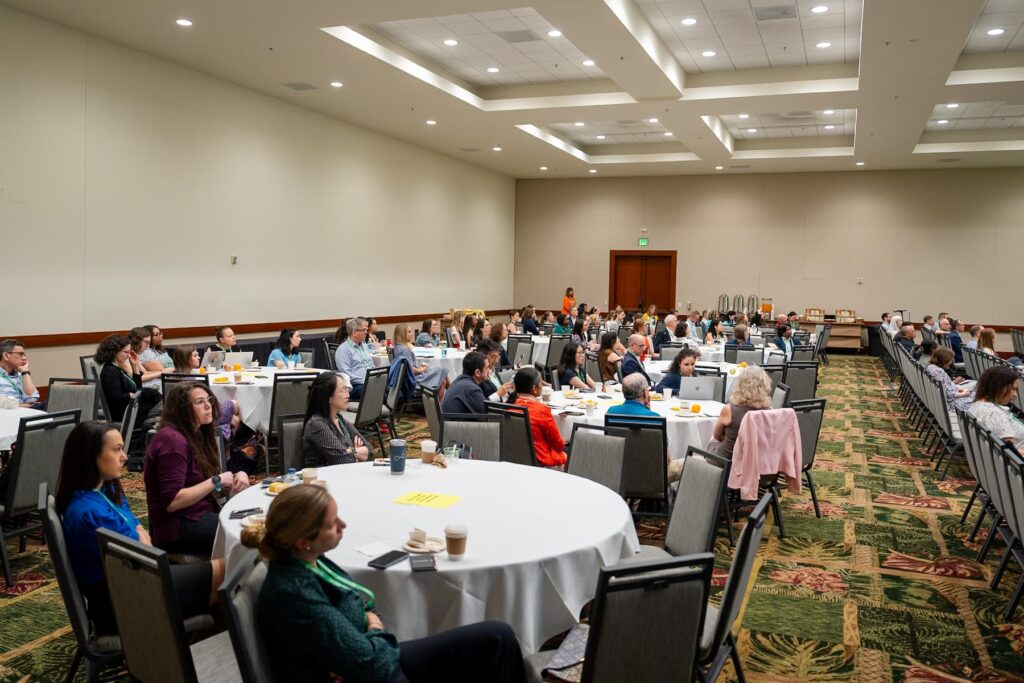
- Friday, April 24, 2026 | 7:00 am – 12:30 pm (Eastern Time)
Held in-person at the PAS 2026 Meeting

One-hour session between 10:00 am – 12:00 pm
- Friday, May 8, 2026
Friday, June 12, 2026
- 10:00 – 11:00 am: Closing Plenary
Expanding Your Leadership Toolbox – Lessons from the Business World - 11:00-11:30 am: Cohort Breakout Discussions, Steven Miller, MDCM, FRCPC, FRSC, FCAHS
Journeys Success Stories
Graduates of the Journeys Program have achieved remarkable success in advancing their research careers. Many past participants have gone on to secure competitive grants, including R01, R21, K08, K12, K23, and other prestigious awards – a testament to their dedication, growth, and the program’s lasting impact in preparing emerging investigators for research leadership.
- Lyndsay Edwards received BIRCWH K12 Institutional Training Grant. “I am a pediatric cardiologist specialized in cardiovascular imaging of the fetus and child. My research focuses on the development of novel imaging technology, including machine learning-based applications, to improve diagnosis, management, and prognostication in pediatric and congenital heart disease. Currently, my work centers around pediatric imaging biomarkers in cancer treatment-related cardiomyopathy. The Journeys program provided me with pivotal mentorship, camaraderie, and support during a particularly uncertain time within the American medical research community. I was grouped with several other early-career researchers and two distinguished mentors. Each month, we met to discuss topics relevant to career development, and the mentees received feedback on current research and grant proposals. I left each session inspired by my peers and mentors, with reinvigorated drive for an independent research career. I highly recommend the APS SPR Journeys Program to any physician-scientist navigating the ups and downs of the early career period.”
- Ashaunta Anderson received a K23. “The Racial-Ethnic Strengths in Pediatrics for Equitable Care and Treatment (RESPECT) Laboratory is grounded in deep respect for the unique sociocultural contexts experienced by minoritized families seeking pediatric care. We especially focus on interventions that boost cultural pride in early childhood, which has been shown to improve mental health, behavioral health, and school outcomes. In addition, we study quality improvement to systematize equitable care and treatment in the pediatric clinical setting and beyond. The Journeys program equipped me with a network of mentors and peers to support the development of my research program. It was particularly helpful to meet in person and hear the career development stories of well-established investigators who shared how they navigated both challenges and opportunities.”
- Tracy Bedrosian received an R01. “My lab is discovering genetic mechanisms that lead to pediatric focal epilepsies and using model systems to develop novel treatment approaches. Our long-term goal is to improve treatment for drug-resistant epilepsies in children. The Journeys program provided a community of early career investigators to share challenges and successes. I learned a lot from the experiences of my peers, which helped me to obtain independent funding and advance toward promotion and tenure.”
- Carol Duh-Leong received a K23. “My NIH K23, funded by NIEHS, is titled, “Geospatial food access as a driver of environmental oxidant stressors and early obesity.” The overarching goal of this work is to understand how environments and experiences influence food access during pregnancy and early childhood, ultimately shaping obesity risk across the life course.
The Journeys mentorship program has connected me with wonderful peer and career mentors, and provided valuable career coaching, helping me prepare for and work towards research independence. The conference day is filled with inspiring talks and opportunities to connect with cross-disciplinary peers on a similar journey.” - Diana Zepeda-Orozco received R01s from NIDDK & NCI. “The Zepeda-Orozco lab studies mitochondrial contributions to chemotherapy and radioligand therapies induced kidney damage. Our overall goal is to develop novel diagnostic and targeted nephroprotective approaches by leveraging metabolic differences between tumor and normal cells. Both platinum chemotherapy and alpha-emitter radioligand therapy are potent anti-tumor treatments, but their dose-dependent kidney toxicity is a significant concern. Maximizing platinum and radioligand therapies tumor responses by using nephroprotective approaches could pave the way for more effective anti-cancer clinical trials, ultimately improving patient survival and quality of life.
The Journeys program offered invaluable mentorship and friendships at a pivotal moment in my career. Our informal meetings covered a wide range of topics pertinent to junior faculty development, providing a platform to discuss challenges and explore potential solutions in various contexts. This program is an excellent resource for junior physician-scientist navigating this critical period in their career development.”
- Stuart Fraser received his first Child Neurologist Career Development Program K12 award!
- Terry Dean awarded NINDS K08 for Endogenous circadian clocks regulate NG2-glia regenerative potential!
- Katherine Bline received K23 from NHLBI. “Our lab studies the host immune response in children with viral lower respiratory tract infections, specifically the role of myeloid-derived suppressor cells that can inappropriately suppress adaptive immune function in this context. Our overarching goal is to identify novel therapeutic targets to augment the host immune response to better fight infection and restore immune homeostasis in children who become critically ill due to respiratory infections. The Journeys program provided me with invaluable mentorship and community early in my faculty career. I formed new friendships, received crucial feedback on career plans and grant applications, and I was inspired by the talks from physician-scientists who have forged a similar path.”
- Mariko Bennett received a NIH DP5. “Our lab studies the role that microglia, the brain’s resident macrophages, play in normal development and disease. We are trying to uncover ways we can use microglia targeting therapeutically and our current focus is on overcoming natural microglia viral restriction to enable gene therapies. The Journeys program allowed community and mentorship throughout the COVID shutdown during a critical period of my training (and new motherhood).”
- Praveen Chandrasekharan received an RO1. “After participating in the Journeys 2020 – 2021 and other supporting programs by NIH-NICHD and a strong lab team, I received an R01 grant in 2021, focusing on chest compressions for bradycardia during newborn resuscitation. The Journeys program was helpful as an adjunct in interacting with peers and established investigators. Their experiences and inputs while discussing my research were valuable to me.”
- Thao (Tina) Ho received an R21. “The goal of my grant is to investigate characteristics of gut microbiota associated with severe anemia in preterm infants using stool multiomics approach. The Journeys Program motivated me to stay focused on my research and how to improve on grant writing.”
- Monica Hsiung Wojcik received an R21. “My research focuses on equitable implementation of genomic medicine in the perinatal context, with particular emphasis on clinical effectiveness as well as parent/patient-reported outcomes towards improved health-related quality of life. To this effect, our team received an R21 in 2022 to evaluate an approach to equitable participation in rare disease genomic research. Recognizing the obstacles families face when attempting to access genomic sequencing for precision diagnosis, we have implemented a personalized and supportive approach to enrollment in the Broad Institute Rare Genomes Project. I participated in the Journeys Program in one of my first years after graduating from a combined fellowship program, and it was extremely beneficial to learn about how my mentors in this program paved their own paths to independence from an early stage, to receive feedback on research and career plans, as well as to broaden my network of colleagues, collaborators, and friends.
- Emma Mohr received an RO1. “My research focuses on vertical transmission and infant developmental outcomes of emerging viral infections during pregnancy using a translational macaque model. I benefitted from the Journeys program by improving how I communicate with department leaders.”
- Elizabeth Yen received a K23. “My K23-funded research focuses on understanding the sex-specific impact of prenatal opioid exposure on brain reward signaling and neonatal feeding regulation. While opioid-exposed infants are known to encounter growth and feeding issues, the molecular mechanisms underlying these problems are unknown. Using neonatal salivary gene expression, feeding, and growth measurements, our team aims to elucidate the impact of reward and hypothalamic signaling dysregulation of infant feeding behavior and growth trajectory. The role of sex as an important biological variable is also the focus of this multiyear study. As a participant in the Journeys, I quickly learned that the path to a successful research career was not easy, yet it was possible. Surrounded by brilliant scientists and physicians, I realized the importance of strong mentorship, grit, resilience, team science, and effective communication. My group leaders (Drs. Beth Tarini and Bruce Gelb) were engaging, transparent, encouraging, and insightful. The group members provided stories of wins and losses and lessons learned that truly brought a healthy perspective for the entire cohort. The Journeys provided helpful, tangible advice for my grant application and fostered my long-term career growth.”
Testimonials
Fantastic program, I found it very valuable since there are few physician-scientists at my institution.
I’m grateful for the opportunity to participate in this seminar. The small groups allowed for the ability to ask meaningful questions. I enjoyed being able to present my research ideas and gain feedback (also was great timing I was applying for an internal research training program and pilot grant, and the feedback was very helpful).
Really enjoyed the journey and the honest stories and advice that the leaders provided. Also enjoyed meeting the other members and hearing similar questions and struggles that we all have. I particularly enjoyed the expert sessions with all the incredible experiences that each person had; truly encouraging and inspiring. Thank you for organizing this super important program!
This group helped me talk to leadership about needing a partner and needing additional protected time. I said it multiple times over the years, but previously I approached it incorrectly. This time, I dug into numbers and showed them that I am currently at 1.7 FTEs. Starting May 1, I officially have more protected time. We hired 2 local family med / sports med physicians to pick up my dropped clinics until we hire another physician full time as a partner. (They can continue to stay on after that if they want to). I am hopeful that things are heading in the right direction! This group really gave me the tools to jump-start things here.
Great program! Didn’t realize how helpful it was going to be until I had multiple “aha” moments. THANK YOU!
I thought this was an exceptional program! Coming from a smaller pediatric department where clinical research is just emerging as a priority, I found it so valuable to meet others in a similar career path and stage as me. I thought the plenary speakers gave incredibly sage wisdom, particularly for women. In the plenary and in my group, I found the conversations around leadership, imposter syndrome, balancing clinical and research, and work-life balance so powerful. I really valued having a senior career leader who is a woman.
2025-2026 Journeys Program
Each year, the Journeys Program is centered around a unifying theme, often inspired by a book chosen for its relevance to developing investigators. For the 2025–2026 program year, the selected text is To Sell is Human by Daniel H. Pink. The book inspired the theme: “Expanding Your Leadership Toolbox – Lessons from the Business World.”
We are deeply grateful to the Journeys’ Book Sponsors for their generous support, which made it possible to provide every Journeys participant with a complimentary copy of the book.

Cohort Leaders & Participants
Steve Abman, University of Colorado
Kurt Albertine, University of Utah School of Medicine
Todd Alexander, University of Alberta
Pankaj Agrawal, University of Miami
Brett Anderson, Icahn School of Medicine at Mount Sinai
Susan Baker, University of Buffalo
Jennifer Bermick, University of Iowa
Vineet Bhandari, The Children’s Regional Hospital at Cooper/CMSRU
Helen Christou, Harvard Medical School
David Cornfield, Stanford University
Christiane Dammann, Tufts University
Peter Gill, University of Toronto
Andrea Hahn, Children’s National Hospital/George Washington University
David Hunstad, Wash U Medicine
James Jarvis, University of Washington, Seattle
Audrey Odom John, Children’s Hospital of Philadelphia
Rohit Kohli, University of Southern California
Krithika Lingappan, University of Pennsylvania
David McCulley, University of California San Diego
Steven Miller, University of British Columbia
Anna Penn, Columbia University
Jochen Profit, Stanford University
Binoy Shivanna, Baylor College of Medicine
Katharine Simon, University of California, Irvine
Andrew South, Wake Forest University School of Medicine
Janice Staber, University of Iowa
Annemarie Stroustrup, Northwell Health; Cohen Children’s Medical Center; Hofstra University
Emily Tam, University of Toronto
Beth Tarini, Children’s National Hospital
Christine Turley, Atrium Health
Atu Agawu, Children’s Hospital Los Angeles
Saminathan Anbalagan, University of South Alabama
Eva Archer, Stanford University
Nupur Assudani, Children’s Hospital of Michigan/Central Michigan University
Tugce B. Balci, Western University
Mausma Bawa, University at Buffalo
Emile Beaulieu, CHU de Québec-Université Laval
Lauren Bodilly, University of Iowa
Ryan Brady, Cincinnati Children’s Hospital
Brittany Bruggeman, University of Florida
Katelyn Bruno, University of Florida
Ferdinand Cacho, Vanderbilt University Medical Center
Rhandi Christensen, Hospital for Sick Children
Sarah Cilvik, Atrium Health Wake Forest Baptist
Catherine Coughlin, Boston Children’s Hospital
Paul D’Alessandro, University of Saskatchewan
Keerti Dantuluri, Levine Children’s Hospital at Atrium Health, Wake Forest University School of Medicine, Charlotte, NC
Marc-Olivier Deguise, University of Ottawa/Children’s Hospital of Eastern Ontario
Sanyukta Desai, Dell Medical School University of Texas at Austin
Taylor Eddens, UPMC Children’s Hospital, University of Pittsburgh School of Medicine
Mohamed Eltorki, Department of Pediatrics – AHS/UCalgary
Grace Fisler, Zucker School of Medicine, Cohen Children’s Medical Center, Northwell Health
Jairo Fonseca, Emory University School of Medicine / Children’s Healthcare of Atlanta
Gabrielle Freire, Hospital for Sick Children
Tamara Garcia, Children’s Hospital Colorado – University of Colorado School of Medicine
Emily Georges, University of Washington School of Medicine
Tre Gissandaner, Children’s Mercy
Elliott Gordon, Weill Cornell
Manpreet Grewal, Central Michigan University/Children’s Hospital of Michigan
Mireille Guillot, CHU de Québec-Université Laval
Batoul Hammoud, University of Chicago
Fyeza Hasan, McGill University
Denise Hasson, New York University Grossman School of Medicine
David Higgins, University of Colorado Anschutz
Adrian Hoffman, University of Miami Miller School of Medicine
John Hong, Icahn School of Medicine at Mount Sinai
Ellen Ingolfsland, University of Minnesota
Samara Jinks-Chang, Children’s Hospital of Pennsylvania/University of Pennsylvania
Melissa Kay, Wake Forest University School of Medicine
Jelte Kelchtermans, Children’s Hospital of Philadelphia
Nicole Kelly, Weill Cornell Medicine
Samaa Kemal, Ann & Robert H. Lurie Children’s Hospital, Northwestern Feinberg School of Medicine
Patrick Kenney, University at Buffalo
Ashley Lee, Department of Pediatrics, Columbia University Irving Medical Center
Arianexys Aquino Lopez, Texas Children’s Hospital and Baylor College of Medicine
Catrina Loucks, University of British Columbia
Tristan Loveday, Vanderbilt University Medical Center
Elise Lu, Western University
Zaili Luo, University of Alabama at Birmingham
Amy Mackay, University of Alabama at Birmingham
Christine March, UPMC Children’s Hospital, University of Pittsburgh School of Medicine
Bilal Marwa, University of Saskatchewan
Abbey Masonbrink, Children’s Hospital Los Angeles
April McNeill-Johnson, Children’s Mercy Hospitals
Pooja Mehta, University of Colorado/ Children’s Hospital Colorado
Claire Miller, University of Utah
Fiona Muttalib, University of British Columbia
Andy Ng, The University of Alberta
Yo Nishihara, University of Washington School of Medicine
Paige Noreen, University of North Carolina, Chapel Hill
James Nugent, Yale School of Medicine
Victoria O’Neil, Dell Medical School at the University of Texas
Lance Peterson, Washington University in St. Louis
Irina Prelipcean, University of Rochester
Brittany Raffa, UNC Chapel Hill
Nooralam Rai, Department of Pediatrics, Columbia University Irving Medical Center
Ravikiran Raju, Boston Children’s Hospital
Meaghan Ransom, Vanderbilt University Medical Center
Audrey Raut, Ann & Robert H. Lurie Children’s Hospital, Northwestern Feinberg School of Medicine
Jessica Rice, Children’s Hospital of Philadelphia
Becky Richards, University of Wisconsin-Madison School of Medicine and Public Health
Michael Ripple, Emory University School of Medicine / Children’s Healthcare of Atlanta
Andrea Rivera-Sepulveda, Nemours Children’s Health
Christina Rojas, University of Miami Miller School of Medicine
Alicia Rolin, Children’s National Hospital
Julia Rosenberg, Yale School of Medicine
Jenny Ruiz, University of Pittsburgh School of Medicine
Arun Saini, Texas Children’s Hospital and Baylor College of Medicine
Elizabeth Sanseau, Children’s Hospital of Philadelphia
Raoul Santiago, CHU de Québec-Université Laval
Laura Schwartz, Nationwide Children’s Hospital
Carol Shen, Zucker School of Medicine, Cohen Children’s Medical Center, Northwell Health
Michelle Shepard, University of Vermont
Catherine Silva, University of Miami Miller School of Medicine
Ruggero Spadafora, Tufts Medical Center
Benjamin Spector, University of Wisconsin-Madison School of Medicine and Public Health
Anisha Srinivasan, UC Davis Children’s Hospital and MIND Institute
Amy Strong, University of Iowa Health Care, Stead Family Children’s Hospital
Courtney Sump, Cincinnati Children’s Hospital
Alyssa Thomas, Mass General Brigham for Children
Regina Triplett, Washington University School of Medicine
Daniel Verbaro, Washington University in St. Louis
Tayla von Ash, Brown University
Lara Wahlster, Boston Children’s Hospital
Morgan Walls, Wake Forest University School of Medicine – Charlotte, NC
Amanda Winkler, Mass General Brigham for Children
Hunter Wynkoop, Nationwide Children’s Hospital
Cecile Yama, Icahn School of Medicine at Mount Sinai
Allen J. Yiu, Children’s National Hospital
Daniel York, University of Utah
Yucong ‘Jenny’ Zhang, University of Virginia Children’s Hospital
Melissa Zhou, Stanford University
David Zorko, McMaster University
Interested in participating?
If you’re interested in joining or have questions about the program, please contact SPR at info@societyforpediatricresearch.org