
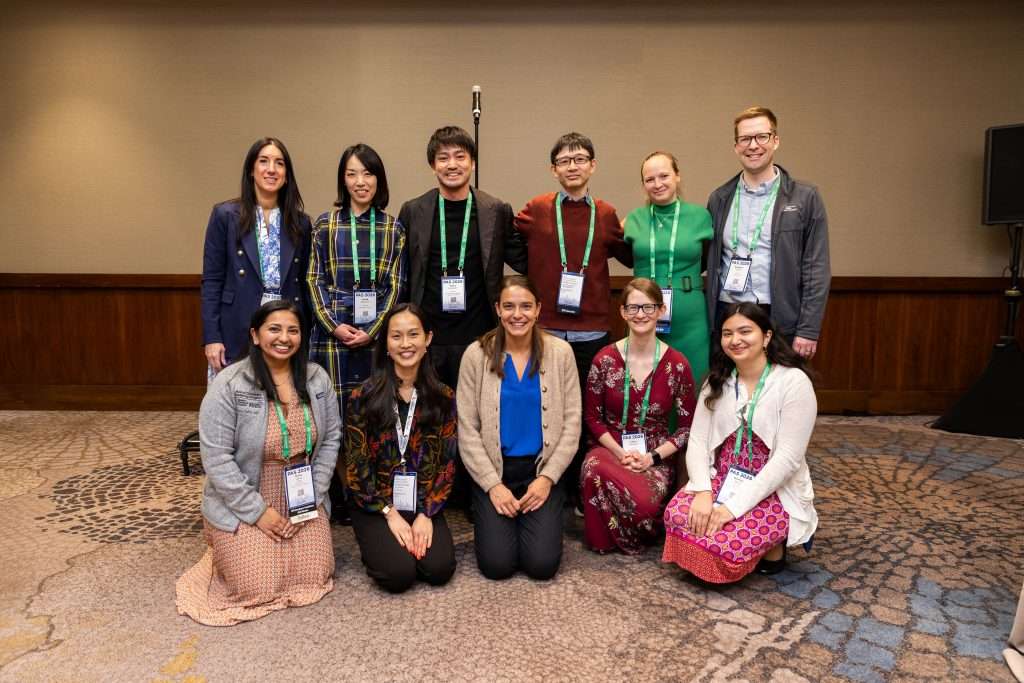
Collaborative Award Recipients
European Young Investigator Exchange Program
In Collaboration with the European Society for Paediatric Research
The European Young Investigator Exchange Program invites one European Society for Paediatric (ESPR) young investigator to present their research at the annual Pediatric Academic Societies (PAS) Meeting, where they are awarded for their achievements and given the opportunity to share their research with academic pediatric leaders.
In exchange, SPR selects one of its Fellows Research Award recipients to attend the annual ESPR meeting.
Current Recipient
Dr. Chiara Minotti, MD, is a Pediatrician with training in neonatology. She is a PhD candidate in Clinical Research at the University Children’s Hospital Basel and University of Basel (Switzerland).
Her research focuses on innovative strategies for prevention and management of infection in neonatal intensive care units (NICUs), and existing and innovative strategies for surveillance of antimicrobial resistant bacterial colonization in the NICU.

Chiara Minotti, MD
University Children’s Hospital Basel, University of Basel
JPS Fellow Exchange Program
In Collaboration with the Japan Pediatric Society
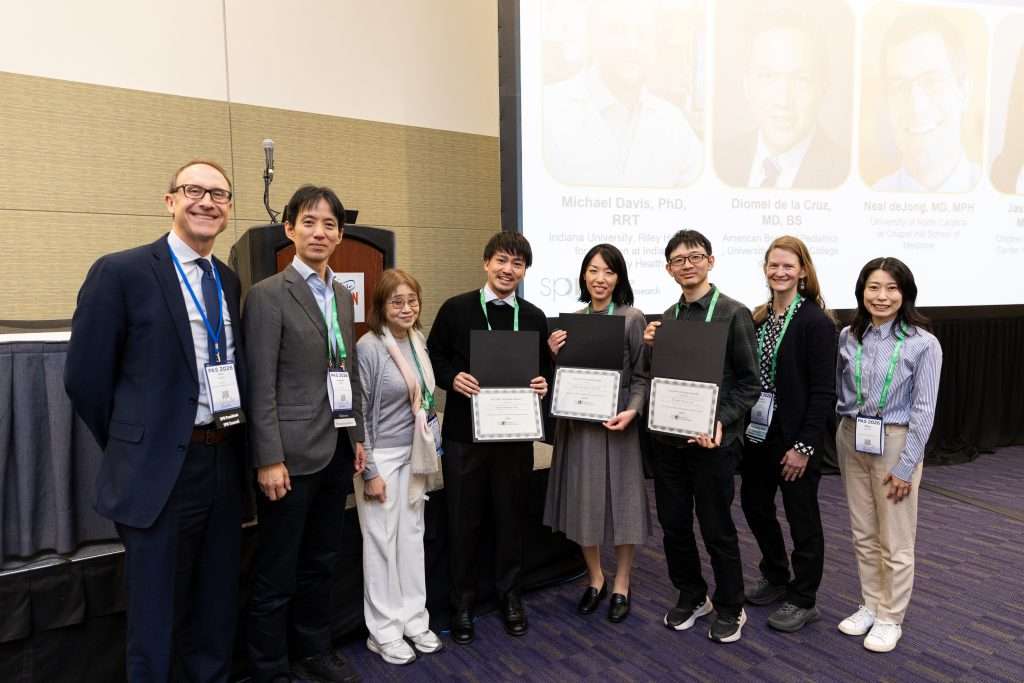
The JPS Fellow Exchange Program invites three Japan Pediatric Society (JPS) young investigators to present their research at the annual PAS Meeting, where they are awarded for their achievements and given the opportunity to share their research with academic pediatric leaders.
In exchange, JPS hosts SPR Emerging to Established (E2E) Section members at the JPS Annual Meeting.
Current Recipients
Takao Kobayashi is a neonatologist whose clinical research focuses on inflammatory responses in preterm infants, with particular emphasis on interleukin-6 (IL-6) dynamics in fetal inflammatory response syndrome (FIRS) and postnatal inflammatory diseases.
He has reported that cord and serum blood IL-6 levels are higher at earlier gestational ages in association with sepsis or fetal inflammation (Cytokine, 2021; Am J Perinatol, 2022), and that sustained IL-6 elevation reflects the severity of fetal inflammation (Cytokine, 2024), contributing to an improved understanding of FIRS and inflammation-related preterm complications.
At this meeting, he presents a study examining perioperative IL-6 dynamics in focal intestinal perforation and necrotizing enterocolitis (NEC), two major inflammatory complications in preterm infants. The findings suggest distinct inflammatory profiles between these conditions and indicate that immune responses may differ according to disease type and severity, particularly in NEC.
He is currently conducting basic research at Hokkaido University using mouse models of intrauterine inflammation and NEC.
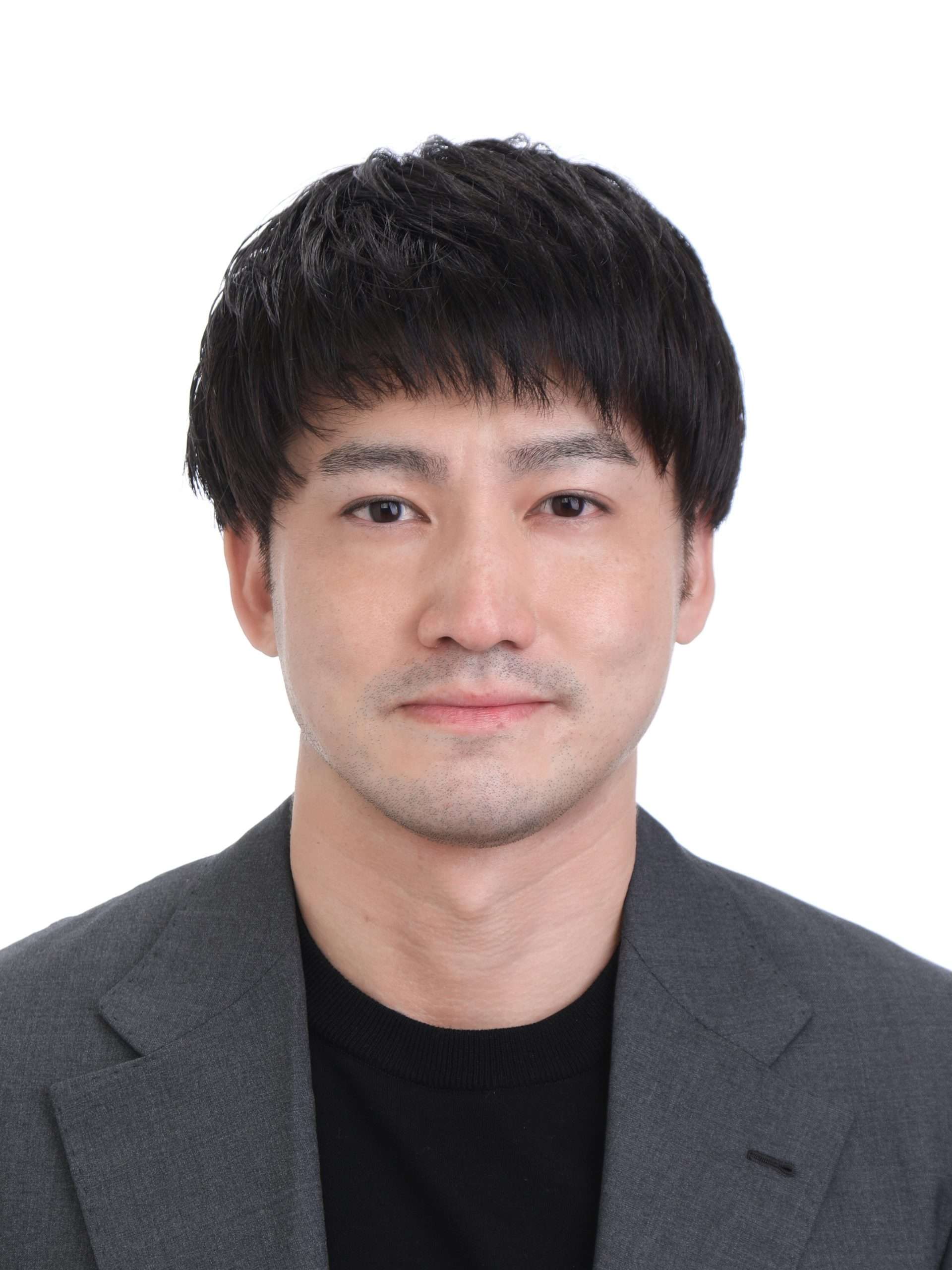
Takao Kobayashi, MD
Molecular Psychoneuroimmunology, Institute for Genetic Medicine, Hokkaido University, Sapporo, Japan / Department of Neonatology, Hyogo Prefectural Kobe Children’s Hospital Perinatal Center, Kobe, Japan
Chronic granulomatous disease (CGD) is a primary immunodeficiency disease of phagocytes caused by NADPH oxidase dysfunction, characterized by susceptibility to bacterial, fungal, and mycobacterial infections and the inflammatory granuloma formations. p47phox-CGD is caused by loss-of-function mutations in the NCF1 gene, which encodes p47phox, a cytoplasmic subunit of NADPH oxidase. However, NCF1-specific sequencing is challenging due to the presence of its copy number variation (CNV) and two highly homologous pseudogenes.
Flow cytometric analysis of p47phox protein expression is useful for the diagnosis of p47phox-CGD, but it is not suitable for carrier diagnosis or CNV detection. We performed dPCR analysis to quantitatively detect a two-base pair deletion in the start of exon 2 (ΔGT), the most common variant in patients with p47phox-CGD, demonstrating its utility not only for patient diagnosis but also for carrier testing. Furthermore, CNV analysis of the NCF1 gene locus in Japanese unrelated with p47phox-CGD showed the presence of CNV in the Japanese population and the utility of dPCR methods for CNV diagnosis. Our findings demonstrate that dPCR serves as a novel diagnostic method that complements conventional assays for reactive oxygen species production and for p47phox protein expression, thereby contributing to a comprehensive diagnostic strategy for p47phox-CGD.

Hanae Miyazawa, MD, PhD
Department of Pediatrics, School of Medicine, Institute of Medical, Pharmaceutical and Health Sciences, Kanazawa University
I am a senior resident dedicated to clinical practice and deeply interested in both clinical and academic research. I am particularly passionate about advancing gene‑based therapeutic approaches that have the potential to enhance patient care and improve outcomes.
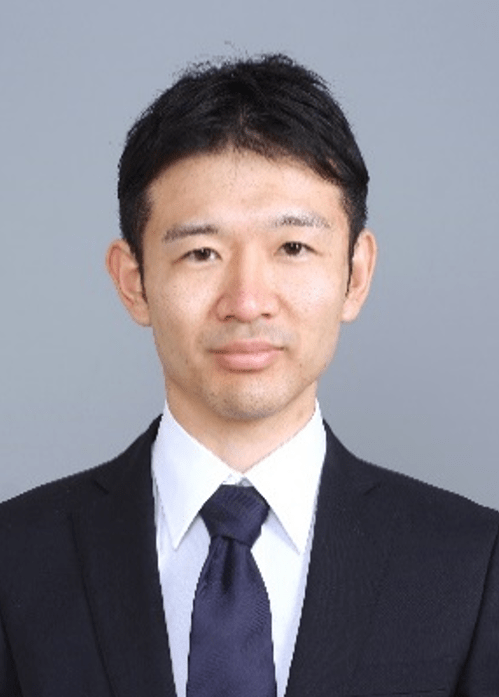
Mitsuaki Yoshino, MD
Jichi Children’s Medical Center Tochigi