
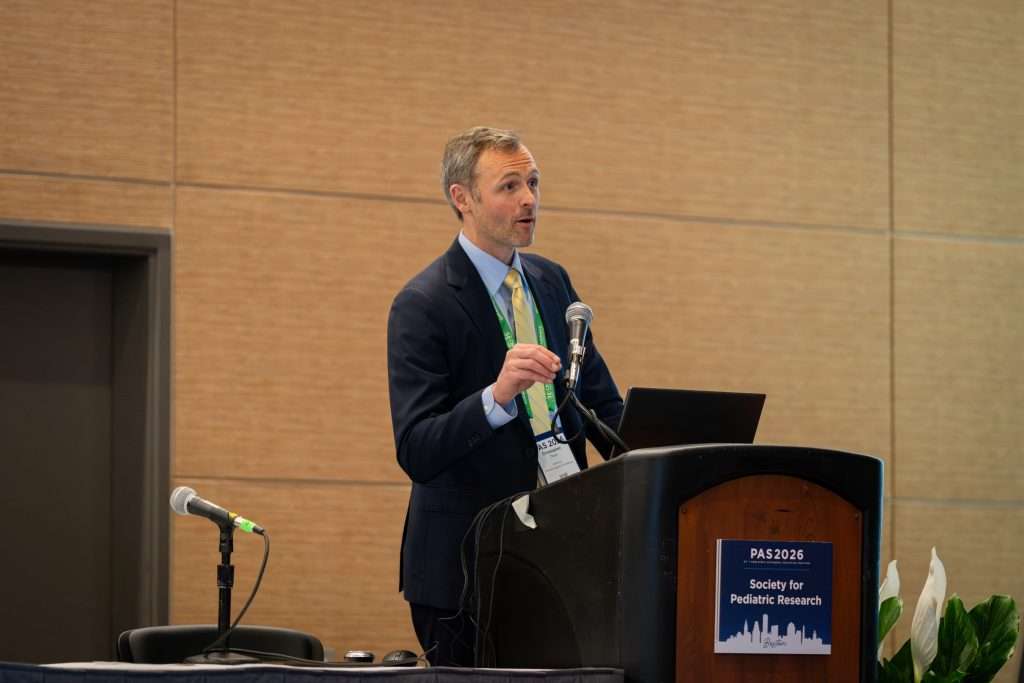
Dr. Thom is a physician-scientist engaged in clinical neonatology, related laboratory research, and teaching. His lab integrates computational data science methods with cellular and molecular approaches to better understand blood cell formation and function, with specific focus on platelet biology. Dr. Thom’s research is clinically relevant for neonatology and transfusion medicine. Current platelet transfusion practices increase morbidity and mortality in premature infants, likely current platelet supplies are inappropriate for infant patients. Relevant developmental differences in neonatal vs adult platelets are not well understood or characterized.

To date, Dr. Thom’s research has aimed to define mechanisms and genes that regulate human hematopoiesis using integrated molecular and computational methods. His PhD thesis focused on TRIM58, a gene linked to altered red blood cell traits in genome-wide association studies. He showed that Trim58 facilitates degradation of the molecular motor protein dynein in late stage erythropoiesis, adapting canonical machinery to serve unique red cell physiology. These studies entailed hematopoietic cell culture, transcriptomics, and biochemical studies. Dr. Thom’s recent work on blood and platelet trait genetics utilized statistical and machine learning approaches to identify genetic elements that impact blood and platelet biology, including the TPM1 gene. Using cultured human stem cell models, he found that TPM1 normally constrains early hematopoiesis through mechanisms that could be harnessed to augment in vitro blood production. More efficient in vitro production of neonatal-type platelets may allow more appropriate care for infant patients. Indeed, his recent findings highlighted contrasts between neonatal hematopoiesis and blood formation, as well as platelet function, compared to older children and adults. These mechanisms help explain the deleterious effects of adult platelets on infants, and highlight a need to improve neonatal blood cell therapies. Dr. Thom’s current projects to better characterize neonatal platelet biology are integrating computational and molecular approaches, including interrogation of neonatal platelet functions. Data characterizing neonatal platelets are extremely limited. His major goal is to improve transfusion safety for neonates and positively impact transfusion medicine overall. This may occur through more informed advocacy for reducing platelet transfusions in preterm infants, by identifying modifiable platelet genes or protein targets to make adult platelets act more like neonatal platelets, or by creating novel laboratory-derived platelet products tailored for infants created from human stem cells. Results from this research program will enable safer transfusions for vulnerable infants.